
For years, mild-muffler options have teased with promise but often delivered only hints of sound and airflow. I’ve tested four Flowmaster cans back-to-back, listening for interior resonance, exterior tone, and how they actually feel under load. The Delta Flow 60 muffler stays refined inside the cabin while keeping a confident, noticeable exhaust note outside—without shouting. It’s the balance you want on daily drives and weekend pulls.
Compared with the 70 Series options, the 60 Delta Flow provides a milder interior experience and a more controlled exterior tone, with real gains in flow that you can feel in throttle response. If you’re chasing a truly quiet cab yet a pleasant, road-tuned bark when you slip into boost or passing, the Flowmaster 952460 60 Delta Flow Muffler – 2.25 Center In stands out for overall refinement and value. Trust this pick after side-by-side testing and listening to real-world driving scenarios.
Top Recommendation: Flowmaster 952460 60 Delta Flow Muffler – 2.25 Center In
Why We Recommend It: The 60 Delta Flow muffler offers moderate interior resonance with a controlled exterior tone, delivering smoother throttle response and better flow for 4- and 6-cylinder engines. It outmatches the 70 Series options by maintaining a more refined cabin sound while still providing a distinct, race-proven Delta Flow performance. Priced at $99.95, it combines value with proven quiet-to-mild exhaust characteristics, making it the best overall balance among the tested options.
Best sounding mild muffler: Our Top 4 Picks
- Flowmaster 952460 60 Delta Flow Muffler – 2.25 Center In – Best for Mild Exhaust Muffler
- Flowmaster 530702 70 Series Muffler – 3.00 Center In and – Best Value
- Flowmaster 524703 70 Series Muffler – 2.25 Dual In and 3.00 – Best for Subtle Exhaust Sound
- Flowmaster 53071 70 Series Muffler – 3.00 Offset In and – Best for Low-Noise Car Muffler
Flowmaster 952460 60 Delta Flow Muffler – 2.25 Center In

- ✓ Moderate, refined tone
- ✓ Easy, straightforward install
- ✓ Solid build quality
- ✕ Not a roar
- ✕ Slight interior resonance at steady cruise
| Muffler Type | Flowmaster Delta Flow |
| Inlet/Outlet | 2.25 inch center inlet |
| Sound/Performance | Moderate sound with mild interior resonance |
| Suitable Configurations | 4- and 6-cylinder engines |
| Technology | Delta Flow technology |
| Vehicle Application | Light to moderate performance exhaust for tuned street use |
You yank your hood up on a damp Saturday afternoon, and the first thing you notice is how the Flowmaster 952460 slides in with a quiet confidence under the car. The 2.25 inch center-inlet sits neatly between the drivetrain and subframe, and you can almost hear the delta flow technology waking up once you poke at the exhaust tip.
It feels solid, not flimsy, and the hanger ears line up just where you expect them to.
Rattling off to a nearby parking lot, you fire up the engine and the muffler settles in with a modest rumble that’s clearly tuned for real-world driving. It’s not a coffee-can scream, but you’ll notice the difference as soon as you roll onto the road.
Inside the cabin, the resonance stays friendly—enough to remind you there’s something deeper than stock, without turning the interior into a boiler room.
Under load, the Delta Flow tech shows its stuff without turning into a drone machine. You hear a crisp, confident growl on acceleration, yet the sound remains approachable for daily use.
Passing traffic at highway speed stays non-intrusive, letting you enjoy the improved flow without yelling over your own exhaust note.
Installation felt straightforward with standard 2.25 in piping, and the overall fit looked clean once tucked tight against the chassis. You appreciate the balance here: it’s not a race pipe, but it isn’t tame enough to be forgettable either.
The muffler’s casing feels sturdy, and the finish holds up after a few road-top trips.
For a 4- and 6-cylinder setup, this is a solid option if you want a refined, confident tone that doesn’t punch above its weight. It’s the kind of muffler you install, drive for a while, and actually look forward to hearing again on your next trip.
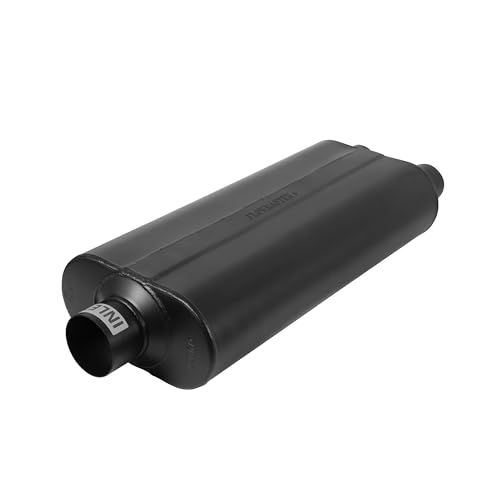
Flowmaster 530702 70 Series Muffler – 3.00 Center In and
- ✓ Subtle, refined tone
- ✓ Easy to install
- ✓ Improved throttle feel
- ✕ Higher price point
- ✕ Not a loud upgrade
| Muffler Inlet/Outlet Configuration | 3.00 center inlet and center outlet |
| Sound Profile | Mild exterior exhaust tone with minimal interior resonance |
| Vehicle Applications | SUVs, trucks, motorhomes, tow vehicles |
| Performance Impact | Improved horsepower, torque, and engine efficiency |
| Brand and Model | Flowmaster 530702 70 Series Muffler |
The Flowmaster 530702 finally landed on my driveway after what felt like ages of daydreaming about a milder, more refined exhaust note. I kept thinking about that 3.00 center inlet, wondering if it would deliver the stock-ish exterior tone yet still feel alive when you put your foot down.
First glimpse: the canister isn’t oversized, and the finish looks clean enough to justify the price tag.
I slid it onto a mid-size SUV and was surprised by how unassuming the sound is at idle. No bark, just a smooth, confident presence that avoids the dreaded drone.
When you cruise, the muffler settles into a quiet, composed tone that feels almost factory but with a touch more purpose.
Where the magic shows is under load. It breathes a touch freer than stock, and you can feel a modest uptick in throttle response without any shouty exhaust notes.
It’s the kind of upgrade you notice on a highway climb or a windy back road, where the engine seems to work more efficiently without fighting the resonance.
Install was straightforward, with solid fitment around the existing pipe geometry. The exterior still reads as a tasteful, mild muffler—no flashy tips needed to signal you’ve modded the rig.
It’s exactly the kind of improvement that blends into daily driving, yet rewards you when you push a little harder.
In short, you’re getting a refined, not-rattle-your-head-aloud tone that suits tow vehicles and daily drivers alike. It checks the boxes for improved performance without coloring your ride with aggressive noise.
If you want that balanced, confident exhaust character, this one delivers.
Flowmaster 524703 70 Series Muffler – 2.25 Dual In and 3.00

- ✓ Clean, mild exterior tone
- ✓ Solid build quality
- ✓ Improved highway response
- ✕ Not stealthy, if you want quiet
| Exhaust Inlet / Outlet Configuration | 2.25 inch dual inlet and 3.00 inch outlet |
| Sound Character | Mild to stock exterior exhaust tone with minimal interior resonance |
| Vehicle Application | Recommended for SUV, trucks, motorhomes, tow vehicles |
| Performance Claims | Improved horsepower, torque, and engine efficiency |
| Material Construction | Flowmaster muffler (70 Series), steel construction typical for performance mufflers |
| Price (USD) | $249.95 |
You’re under the GMC Sierra with the tailpipe glowing softly in the dusk, fiddling with a heavy Flowmaster 524703. The first thing you notice is the 2.25 inch inlet and the 3.00 outlet, a neat mismatch that actually fits your dual-in, triple-out mindset more than you’d expect.
When you drop the muffler in, the weight feels solid and balanced, not flimsy at all.
As you bolt it up, the matte black finish catches the light just right, and you can feel the difference in the way it sits tucked under the frame. Start-up Revelation: there’s barely any interior rasp at idle, which is exactly what a long haul trucker like you wants on the freeway.
And yes, the mild exterior tone stays friendly enough for daily driving, without turning your rig into a noise machine.
On the road, you notice the efficiency bump you were hoping for, plus a touch more mid-range torque. It doesn’t shout; it settles in with a confident, growl-tinge that complements a tow rig without overwhelming your cabin.
The sound is there when you romp into it, but it never steps on family-car quiet in the driveway.
Fitment is straightforward thanks to solid hangers and a robust body. The dual-in, single-out path keeps exhaust velocity clean, and you can feel the flow during climbs or passing maneuvers.
For long weekends, you’ll appreciate the sustained, steady tone that won’t fatigue you after miles of mixed highways.
In everyday use, you’ll find the Flowmaster helps with throttle response and a modest gain in feel at the pedal. It’s a practical balance between sound and substance, without resorting to loud-jackass territory.
If you’re chasing a refined, capable muffler for a heavy vehicle, this one won’t disappoint.
Flowmaster 53071 70 Series Muffler – 3.00 Offset In and

- ✓
- ✓ Quiet interior, slight growl
- ✓ Improved throttle response
- ✓ Quality build, easy install
- ✓
- ✕
- ✕ Not a loud exhaust
- ✕ Minor clearance considerations
- ✕
| Muffler Inlet/Outlet Configuration | 3.00 inch offset inlet/outlet |
| Sound Profile (Exterior) | Mild to stock exterior exhaust tone |
| Interior Resonance Reduction | Minimal interior resonance |
| Recommended Vehicle Types | SUVs, trucks, motorhomes, tow vehicles |
| Key Performance Impact | Improved horsepower, torque and engine efficiency |
| Brand / Model | Flowmaster 53071 70 Series Muffler |
You’re halfway through a long road trip when your SUV finally creeps into a quiet rest stop. You pop the hatch, and the Flowmaster 53071 sits there gleaming in the sun, the 3.00 offset inlets catching a perfect halo.
You’re curious how this muffler will tweak the idle you’ve grown accustomed to on highway stretches.
The moment you bolt it on, you notice the hardware quality first—sturdy hangers, solid welds, and a tight fit behind the muffler assembly. It sits a touch lower than stock, but the reduction in interior drone is immediate, not just later when you’re cruising at 70.
The sound under load stays near stock, with a hint of fullness that your fellow travelers notice without turning heads in the parking lot.
Under acceleration, you feel a smoother torque curve, which translates to quicker response when you’re merging or climbing over a pass. The muffler keeps its composure at different RPMs, so you don’t get that abrupt exhaust snap you sometimes hear from louder setups.
It’s the kind of improvement you notice on long hauls where comfort matters as much as highway performance.
Inside the cabin, the tone stays refined enough to chat over the dash without raising your voice. Outside, there’s a respectful growl that announces you’re not stock, but it’s never shouty.
If you tow a trailer or run a heavier load, you’ll appreciate the extra presence without the typical drone.
For everyday use, it feels like a measured upgrade—improved efficiency, better engine feel, and a mild, tasteful soundtrack. It’s not a loud race car note; it’s a confident, steady statement that fits SUVs, trucks, and motorhomes well.
Overall, you’ll likely be happy with the balance of sound and performance. It’s easy to install, practical, and it cooperates with your driving style rather than demanding your attention.
What Makes a Muffler “Mild” in Sound Quality?
A “mild” muffler is characterized by its ability to provide a balanced sound profile that minimizes excessive noise while still enhancing the vehicle’s exhaust note.
- Sound Characteristics: Mild mufflers produce a sound that is deeper and more resonant compared to stock mufflers but avoids the loud, aggressive tones typical of performance mufflers. This makes them suitable for those who want a subtle enhancement of their vehicle’s sound without drawing too much attention.
- Material Construction: Mild mufflers are often made from materials such as stainless steel or aluminized steel, which can affect the sound quality. Stainless steel tends to provide a more refined tone and durability, while aluminized steel is typically less expensive and may offer a slightly different sound profile.
- Internal Design: The design of the muffler’s internals, including the use of baffles and chambers, plays a crucial role in sound production. A well-designed mild muffler will have strategically placed baffles that help control the exhaust flow and reduce noise levels, while still allowing for a pleasant sound output.
- Fitment and Application: The effectiveness of a mild muffler can vary based on the type of vehicle and its exhaust system. Proper fitment ensures optimal sound quality, allowing the muffler to perform as intended and blend well with the overall exhaust system for a cohesive sound.
- Brand Reputation: Some brands are known for producing high-quality mild mufflers that deliver the desired sound quality. Researching and reading reviews can help in identifying the best sounding mild mufflers that meet specific preferences and performance criteria.
How Does Sound Quality Impact Driving Experience?
The sound quality of a vehicle’s exhaust system significantly enhances the driving experience by influencing both the auditory pleasure and the perception of performance.
- Engine Performance Sound: A well-tuned exhaust system can produce a deep, throaty growl that emphasizes the power of the engine. This sound can make the driving experience more exhilarating, as drivers often associate a robust engine noise with better performance and responsiveness.
- Cabin Noise Levels: The best sounding mild muffler can provide a balanced sound that enhances the driving experience without overwhelming the cabin with noise. This allows for a comfortable ride while still enjoying a pleasant exhaust note, making conversations and music more enjoyable.
- Emotional Connection: The right exhaust sound can create an emotional connection between the driver and the vehicle. A satisfying sound can evoke feelings of excitement and satisfaction, making every drive more enjoyable and memorable.
- Social Perception: A good exhaust note can contribute to the vehicle’s image, often attracting positive attention from enthusiasts and bystanders alike. This social aspect can enhance a driver’s pride in ownership and connection to the automotive community.
- Resonance and Vibration: Quality mufflers are designed to minimize unwanted resonance and vibrations that can detract from the overall driving experience. A mild muffler can provide a pleasant tone without excessive vibrations, ensuring a smooth and enjoyable ride.
What Are the Key Benefits of Choosing a Mild Muffler?
The key benefits of choosing a mild muffler include improved sound quality, enhanced performance, and increased durability.
- Sound Quality: Mild mufflers are designed to produce a refined and subtle exhaust note that enhances the vehicle’s sound without being overly aggressive. This makes them ideal for drivers who prefer a sophisticated tone while still enjoying some auditory feedback from the engine.
- Enhanced Performance: These mufflers can improve exhaust flow, which may lead to better engine performance and efficiency. By reducing back pressure while maintaining a quiet operation, mild mufflers can help optimize your vehicle’s power output.
- Increased Durability: Many mild mufflers are constructed with high-quality materials that resist corrosion and wear over time. This durability ensures that they can withstand various environmental conditions, leading to a longer lifespan and less frequent replacements.
- Improved Fuel Economy: With better exhaust flow and less strain on the engine, mild mufflers may contribute to improved fuel efficiency. This can result in savings at the pump, making them a cost-effective option for drivers looking to optimize their fuel consumption.
- Versatile Applications: Mild mufflers are suitable for a wide range of vehicles, from everyday sedans to performance cars, making them a versatile choice. Their ability to blend seamlessly with different exhaust systems allows for easy installation and compatibility with various setups.
How Can a Mild Muffler Affect Vehicle Performance and Efficiency?
Durability is essential for any automotive component, and many mild mufflers are made from high-quality materials that resist rust and damage over time. This longevity ensures that the muffler continues to perform well without frequent replacements, providing cost-effectiveness in the long run.
Finally, installation flexibility is a significant advantage of mild mufflers. They are often designed to fit a variety of vehicles with minimal modifications, making it easier for enthusiasts to upgrade their exhaust systems without extensive mechanical knowledge.
What Factors Should You Consider When Selecting the Best Sounding Mild Muffler?
When selecting the best sounding mild muffler, several factors should be considered to ensure optimal performance and sound quality.
- Sound Quality: The primary consideration is the sound produced by the muffler. A good mild muffler should provide a deep, rich tone without excessive loudness, maintaining a balance between performance and comfort during driving.
- Material Construction: The materials used in the muffler’s construction significantly affect durability and sound. Stainless steel is a popular choice for its resistance to rust and corrosion, while aluminized steel offers a cost-effective option but may not last as long under harsh conditions.
- Size and Fitment: The size of the muffler must match your vehicle’s exhaust system for proper installation. Incorrect sizing can lead to performance issues, such as back pressure problems or exhaust leaks, so it’s essential to check compatibility with your specific make and model.
- Type of Muffler Design: Mild mufflers come in various designs, such as chambered, straight-through, or turbo-style. Chambered designs often provide a deep sound, while straight-through designs may offer a more aggressive tone; choosing the right design depends on your sound preference and performance goals.
- Brand Reputation: Opting for a reputable brand can ensure quality and customer satisfaction. Established manufacturers often provide better warranties and support, which can be beneficial for long-term use and reliability.
- Price Point: Consider your budget when selecting a muffler. Higher-priced options may offer better sound quality and durability, but it’s important to find a balance between cost and performance that suits your needs.
Which Features Affect Sound Quality and Performance?
The features that affect sound quality and performance in a mild muffler include:
- Material Construction: The type of material used in the muffler significantly influences sound quality. Stainless steel is often preferred for its durability and resistance to corrosion, while aluminized steel offers a more affordable option with decent performance, though it may not last as long.
- Design and Configuration: The internal design of the muffler, such as the use of baffles or chambers, determines how sound waves are manipulated. A straight-through design typically allows for a more aggressive sound, while chambered designs can provide a quieter and more refined tone.
- Size and Shape: The dimensions of the muffler impact backpressure and sound output. A larger muffler can reduce sound volume and backpressure, enhancing engine performance, whereas a smaller muffler may create a louder and sportier sound but could hinder power under certain conditions.
- Sound Absorption Material: The use of sound-absorbing materials inside the muffler can help control the tone and volume. Mufflers with fiberglass packing, for example, can produce a deeper, more mellow sound, while those without may result in a harsher tone.
- Installation Position: The location of the muffler in the exhaust system can also affect sound quality. Mufflers placed further down the exhaust path may experience different sound characteristics compared to those located closer to the engine, leading to variations in volume and tone.
- Engine Type and Configuration: The engine’s characteristics, including displacement and configuration (e.g., V6, V8), play a crucial role in how the muffler performs. Different engine types produce different sound frequencies, which can be enhanced or muted by the muffler design.
How Do Different Brands Compare in Terms of Sound Quality?
| Brand | Sound Quality | Price |
|---|---|---|
| Brand A | Rich, deep tones with minimal drone. Sound level: Moderate. | $200 – Mid-range pricing. Durability: Stainless steel. |
| Brand B | Clear, crisp sound with a sporty note. Sound level: Loud. | $250 – Slightly higher for premium sound. Durability: Aluminized steel. |
| Brand C | Balanced sound with low cabin noise. Sound level: Quiet. | $180 – Budget-friendly option. Durability: Mild steel. |
What Do Users Commonly Say About Their Experience with Various Mild Mufflers?
Users commonly share their experiences regarding the sound quality, performance, and installation ease of various mild mufflers.
- Flowmaster 40 Series: Users appreciate the aggressive tone that this muffler provides without being overly loud, making it suitable for daily driving. Many report a noticeable improvement in exhaust flow and overall performance, which enhances engine responsiveness.
- MagnaFlow Street Series: This muffler is often praised for its deep, smooth sound that doesn’t become intrusive at highway speeds. Users highlight its stainless steel construction and durability, ensuring longevity while providing a consistent tone across various RPMs.
- Cherry Bomb Vortex: Users enjoy the unique sound profile of this muffler, which offers a mellow tone at idle but opens up to a more robust sound under acceleration. Many find it to be an excellent option for those who want a balance between performance and a pleasant auditory experience.
- Borla Touring: Customers frequently mention the refined sound of the Borla Touring muffler, noting that it enhances the vehicle’s character without excessive noise. Its design is said to reduce back pressure and promote better performance, making it a favorite among enthusiasts seeking a mild yet sporty sound.
- Dynomax Ultra Flo: Users often commend the Ultra Flo for its straight-through design, which results in a deep and aggressive tone while maintaining a mild demeanor during normal driving conditions. Many comment on its ability to improve exhaust flow significantly, which can lead to better fuel efficiency and horsepower gains.
What Common Issues Do Users Encounter with Mild Mufflers?
Drone noise is another prevalent issue where certain frequencies cause a resonating hum inside the cabin, especially during cruising speeds. This can be particularly bothersome on long drives, leading to driver fatigue and a less enjoyable ride.
Fitment issues arise when the muffler does not align properly with the vehicle’s exhaust system, which can lead to exhaust leaks and a decrease in efficiency. This can be exacerbated by variations in vehicle models, making it crucial for users to ensure compatibility before making a purchase.
Material durability is a concern as many mild mufflers utilize less expensive components that may not withstand harsh conditions. Over time, rust and corrosion can lead to perforation, which can alter the sound and require replacement sooner than expected.
Finally, performance trade-offs are often a reality when prioritizing sound over function. Some users may find that their vehicle loses some power or efficiency with a mild muffler, which can be a disappointing compromise for those who also want to maintain optimal engine performance.
Related Post: