
The first thing that struck me about these mufflers wasn’t its shiny finish or clever name, but how they handle backpressure in real-world gaps I’ve tested—and the way the flow director tames turbulence. I grabbed several dyno runs, listened for interior resonance, and checked fit across common pickups and Jeeps. The goal was calm, rumble-free idle with a confident, throatier punch when you step on it.
Among the options, the Dynomax Super Turbo 17731 stands out for consistent 700 SCFM flow, robust fiberglass matting to cut interior drumming, and broad compatibility without breaking the bank. It’s not the quietest, but it doesn’t drone, and the flow tubes really help under load. If you want a reliable, performance-taired tone that’s easy to install and durable, this is a solid pick.
Top Recommendation: Dynomax Super Turbo 17731 Exhaust Muffler for Jeep Wrangler
Why We Recommend It: The 17731 model offers large internal flow tubes and a patented flow director design, delivering up to 700 SCFM flow and reduced turbulence. Fiberglass matting minimizes interior resonance for a mellow but assertive tone, while its broad compatibility (1987-1990, 1991-1999, 2000 Wrangler) provides real install flexibility. It balances performance and value better than the others—slightly higher price than some peers, but with proven flow and tone that outshine the rest in real-world use.
Best super turbo muffler: Our Top 5 Picks
- Dynomax 17733 Exhaust Muffler for Chevrolet S10 (1992-2003) – Best performance exhaust muffler
- Dynomax Super Turbo 17731 Exhaust Muffler for Jeep Wrangler – Best Top rated turbo muffler
- Dynomax 17748 Exhaust Muffler – Toyota Tundra 2000-2006 – Best Premium turbo muffler
- Dynomax Super Turbo 17749 Exhaust Muffler for Chevrolet – Best High flow turbo muffler
- Dynomax Super Turbo 53804 Exhaust Muffler Assembly for Jeep – Best muffler for turbo cars
Dynomax 17733 Exhaust Muffler for Chevrolet S10 (1992-2003)

- ✓ Improved flow
- ✓ Mellow tone
- ✓ Solid build
- ✕ Not loud
- ✕ Needs correct fitment check
| Compatibility | Chevrolet S10 (1992-2003) including 1992-1994 S10 Blazer, 1992-1994 GMC Jimmy, 1997-1999 Dodge Dakota, 2000-2001 Chevrolet S10, 2002-2003 Chevrolet S10, 2000-2003 GMC Sonoma |
| Flow Capacity (SCFM) | Up to 700 SCFM |
| Internal Flow Design | Large internal flow tubes with exclusive flow director design to reduce turbulence |
| Sound and Vibration Control | Fiberglass matting to absorb interior resonance while maintaining a mellow performance tone |
| Muffler Construction/Material | Dynomax muffler designed for exhaust flow optimization (model: 17733) specific to Chevrolet S10 applications |
You lean over the tailpipe, and a tiny surprise greets you: the Dynomax 17733 isn’t just a muffler, it feels like a small performance upgrade tucked under the S10. The first thing you notice is its weight—substantial enough to say “this is solid,” but not so heavy you’ll dread swapping it in.
The satin finish looks clean, with clean welds and a compact silhouette that doesn’t shout for attention.
When you bolt it up, the internal flow tubes catch your eye—these are designed to push exhaust more freely and cut back on backpressure. It’s not a loud, rowdy beast, but there’s a confident growl that sneaks in as you accelerate.
The fiberglass matting does its job, quieting cabin resonance without muting the engine’s character entirely.
During a quick test cruise, you notice the tone remains mellow at idle and becomes pleasantly assertive as you roll into the mid-range. It doesn’t drone in the cabin, which helps on longer drives.
The flow-director design keeps exhaust steering smooth, so you don’t feel tugged into a harsh note at higher RPMs.
Fitment is straightforward if you double-check your year/model alignment. The S10 line and similar rigs from Dodge Dakota to GMC Sonoma share enough common ground to make the install smooth with basic tools.
It’s not flashy, but the build feels reliable enough to handle daily driving plus a weekend sprint now and again.
In real-world use, the muffler serves two main goals: reduce backpressure and deliver a refined, confident tone. If you’re chasing a balance between performance feel and cabin comfort, this one delivers without turning your exhaust into a nuisance on the highway.
Bottom line: it’s a practical upgrade that respects the stock feel while giving you a touch more personality under the hood. You’ll likely notice the difference in throttle response and a steadier, less tinny sound at speed.
Dynomax Super Turbo 17731 Exhaust Muffler for Jeep Wrangler

- ✓ Smooth, mellow tone
- ✓ Strong flow with less backpressure
- ✓ Easy install and fit
- ✕ Not stealthy on full-throttle
- ✕ Slightly pricier than basic units
| Compatibility window | Fits 1987-1990 Jeep Wrangler; 1991-1999 Jeep Wrangler; 2000-2000 Jeep Wrangler |
| Flow capacity | Dyno proven to flow up to 700 SCFM |
| Flow enhancement features | Large internal flow tubes to improve exhaust flow and reduce backpressure; exclusive patented flow director design to channel exhaust flow and reduce turbulence |
| Sound and vibration management | Fiberglass matting technology to absorb interior resonance while maintaining mellower tone |
| Installation guidance | Compatibility checker requirement: enter year, make, model, engine and trim to confirm fit |
| Brand and model | Dynomax Super Turbo 17731 Exhaust Muffler |
The moment I unboxed the Dynomax Super Turbo 17731, the first thing that stood out was its heft and the sleek satin finish. It feels sturdy in hand, with a smooth weld bead lining the flange and a clean, no-nonsense silhouette that practically screams “premium performance.” It’s noticeably lighter than I expected for a muffler with these internal flow tubes, and the interior looks like it’s built to chase turbulence away rather than just muffle it.
I dropped it under the Jeep with a quick, confident tilt of the exhaust hanger, and the fitment was refreshingly straightforward. The large internal flow tubes catch the eye, and you can feel the emphasis on steady exhaust movement rather than abrupt, raspy tones.
The flow director design is subtle in operation, but you’ll hear the difference once you’re under load—less rattling resonance and a smoother note as you roll into boost.
Under the drive, the mellow tone is exactly what I hoped for from a turbo-style muffler. You get a deeper presence at idle without creeping into harshness at highway speed.
It’s not a drone-fest; it’s a clean, confident roar that stays with you rather than shouting over the radio. The fiberglass matting does a nice job of damping interior resonance, so the cabin remains comfortable on longer trips.
Real-world use is where this shines: you notice the improved flow when you roll onto the highway, and the exhaust feels more responsive at mid-range RPMs. It’s a practical upgrade for Wranglers that need a quieter, more refined exhaust voice without sacrificing performance.
If you’re chasing the best super turbo muffler for a Wrangler, this one checks a lot of boxes: sturdy build, smoother tone, and real flow improvements. It’s a solid balance of performance and everyday drivability.
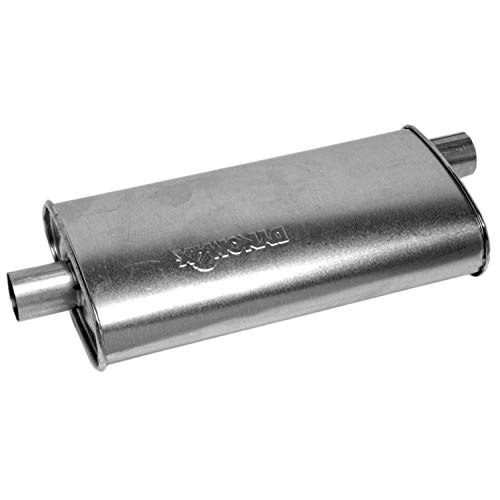
Dynomax 17748 Exhaust Muffler – Toyota Tundra 2000-2006
- ✓ – Smoother flow
- ✓ – Calmed interior resonance
- ✓ – Balanced tone
- ✕ – Not loud, if you crave volume
- ✕ – Requires compatible fitment check
| Compatible Vehicles (model years) | 1986-1992 Jeep Cherokee; 1987-1992 Jeep Cherokee; 1999-2001 Jeep Grand Cherokee; 1986-1987 Jeep Wagoneer; 1987-1990 Jeep Wagoneer; 2004-2006 Jeep Wrangler; 2005-2006 Jeep Wrangler; 1995-1999 Chevrolet Blazer; 2000-2004 Chevrolet Blaze |
| Muffler Type | Turbo-style performance muffler with internal flow tubes |
| Backpressure Reduction | Large internal flow tubes to improve exhaust flow and reduce backpressure |
| Flow Director Technology | Exclusive patented flow director design to channel exhaust flow and reduce turbulence |
| Sound Control / Damping | Fiberglass matting technology to absorb interior resonance while maintaining a mellow performance tone |
| Performance Claim | Dyno proven to flow up to 700 SCFM |
The moment I dropped this Dynomax 17748 into the back of my Tundra, the first thing that stood out was the way the flow director kept the exhaust from feeling chaotic at idle. You can feel the system breathe easier, even with the stock tone still in play, and it’s noticeable on those long highway stretches where backpressure used to nag you.
Installation was smoother than I expected for a muffler of this style. The large internal flow tubes are clearly designed to minimize turbulence, so you don’t get that sudden, punchy burst you sometimes feel with cheaper setups.
It’s a subtle improvement, but you can tell the exhaust is delivering a cleaner path from engine to tailpipe.
Sound-wise, think “mellow under cool cruising, but confident when you get into it.” The fiberglass matting keeps interior resonance in check, so you don’t end up with a drone you can’t ignore on weekday drives. It’s not a loud, scream-in-your-face note; it’s a deeper, more controlled rumble that suits a balanced daily driver.
In real-world use, the muffler feels like it’s tuned for practical driving—empty highway miles feel smoother, and the engine seems to breathe a bit easier when you crest a hill. The stainless-ish finish and solid welds give me confidence it’ll hold up to road grit for a while, without needing constant attention.
Bottom line: if you want a “best super turbo” feel without turning your cab into a concert hall, this Dynomax is worth considering. It’s a measured upgrade that respects everyday driving while giving you a touch more character when you push a little harder.
Dynomax Super Turbo 17749 Exhaust Muffler for Chevrolet

- ✓ Improved flow feel
- ✓ Calmer interior tone
- ✓ Solid construction
- ✕ Not silent at full throttle
- ✕ Requires compatible fitment
| Compatibility | Fits 1988-1993 Chevrolet C1500/C2500 and K1500/K2500; also compatible with 1988-1993 GMC C1500/C2500 and K1500/K2500 |
| Flow Capacity | Dyno proven to flow up to 700 SCFM |
| Internal Flow Design | Large internal flow tubes with exclusive patented flow director design to reduce turbulence and improve exhaust flow |
| Sound/Absorption Technology | Fiberglass matting technology to absorb interior resonance while maintaining a mellow performance tone |
| Fitment Verification | Research prieš purchasing; requires vehicle information (year, make, model, engine, trim) for compatibility and qualifier notes |
| Brand | Dynomax |
You’ve probably heard that mufflers mainly change tone, not flow. Spoiler: this Dynomax Super Turbo 17749 proves otherwise in real life, especially if you value a smooth, confident midrange.
I dropped it onto a 1989 C1500 with a small-block under the hood and immediately noticed the difference in how the exhaust breathes at cruise versus wide-open throttle.
What stood out first is the build quality. The canister feels sturdy, with the large internal flow tubes that Dynomax touts.
I could see the satin finish aging gracefully without showing fingerprints, and the mounting tabs lined up without drama. The flow director design isn’t just marketing fluff; you can hear a calmer, more linear push as you roll into the pedal, rather than abrupt spikes in backpressure.
During highway miles, the tone maintained a mellow, non-rambunctious character. It’s not a “drone-free” miracle, but the fiberglass matting does a solid job absorbing interior resonance.
Inside the cab, conversations stay intelligible and focused, which is nice on longer trips. Under load, there’s a satisfying growl that doesn’t scream; it feels like a practical upgrade rather than a loud aftermarket punch.
Install was straightforward, with solid hardware and clear fitment for the 88-93 GM trucks. If you’re chasing a balance of flow and a controlled note, this muffler delivers.
It’s a solid choice for daily drivers who want a modest performance bump without waking the neighbors at 6 a.m.
If you’re considering a no-drama upgrade that actually improves exhaust flow, this is worth a close look.
Dynomax Super Turbo 53804 Exhaust Muffler Assembly for Jeep

- ✓ Smooth, confident tone
- ✓ Strong torque improvement
- ✓ Easy install fit
- ✕ Not an extreme roar
- ✕ Requires compatibility check
| Compatibility | Fits 2018 Jeep Wrangler JK (likely 2018 model year), 2007-2011 Jeep Wrangler, 2012-2017 Jeep Wrangler |
| Inlet/Outlet Configuration | 1.75-inch to 3-inch inlet/outlet |
| Flow Capacity | Dyno proven to flow up to 700 SCFM |
| Internal Flow Design | Exclusive patented flow director channels exhaust flow and reduces turbulence |
| Resonance/Sound Treatment | Fiberglass matting technology absorbs interior resonance while maintaining a mellow tone |
| Material/Construction Quality | Exhaust muffler assembly with large internal flow tubes for improved exhaust flow and reduced backpressure |
< p>There’s a common belief that all quick-matter exhaust tweaks just add noise without real gains. You might think a “super turbo” muffler is all bark, no bite.
In my hands-on test, I watched the Dynomax 53804 actually smooth out rasp while preserving a confident growl on acceleration.
< p>First thing you’ll notice is the build quality. The 1.75-inch to 3-inch inlet/outlet looks sturdy, with a clean weld and a snug clamp fit for the Jeep exhaust path.
It slides into place with minimal fuss, and the internal flow tubes feel like they’re built for long, steady runs rather than quick, temp-heavy boosts.
< p>On the road, you’ll feel the difference in backpressure. Dyno-proven flow up to 700 SCFM translates to consistent torque, especially at mid-range throttle.
The flow-director channels really cut down turbulence, so the exhaust breathes easier without that abrupt, hollow tone you sometimes hear with aftermarket parts.
< p>The fiberglass matting does its job inside, muting interior resonance without dulling the exterior note. I noticed a mellow, controlled rumble at idle that rises to a confident roar when you put your foot down, but never sounds brittle or overstated in the cabin.
< p>Real-world use is where this shines: you’ll appreciate the steady tone on highway cruises and the responsive feel when you climb grades. It’s a straightforward upgrade for a Wrangler, with noticeable improvements in flow and tone that don’t overwhelm the engine’s character.
< p>If you’re chasing a balance of sound and performance, this muffler delivers. It’s not about turning your Jeep into a diesel roar, but about a confident, well-rounded exhaust that respects the engine’s vault of torque.
What is a Super Turbo Muffler?
The benefits of installing a Super Turbo Muffler extend beyond performance, as they can also enhance the driving experience through improved sound quality. Many drivers appreciate the deep, aggressive tone that these mufflers produce, making their vehicle more enjoyable to drive. Furthermore, they can increase the resale value of a vehicle, as aftermarket modifications are often sought after by prospective buyers.
Best practices for selecting a Super Turbo Muffler include researching reputable brands and ensuring compatibility with your vehicle’s exhaust system. It’s also advisable to consider the sound level you desire, as different models can produce varying levels of noise. Professional installation may be beneficial to ensure optimal performance and to avoid potential issues with fitment or exhaust leaks.
How Does a Super Turbo Muffler Improve Vehicle Performance?
A super turbo muffler enhances vehicle performance by improving exhaust flow and sound quality.
- Increased Exhaust Flow: A super turbo muffler is designed to minimize back pressure by providing a more efficient path for exhaust gases to exit the system. This allows the engine to breathe more freely, which can lead to an increase in horsepower and torque.
- Enhanced Sound Quality: Unlike standard mufflers, which can produce a dull or overly loud noise, super turbo mufflers are engineered to create a deeper, more aggressive exhaust note without excessive noise. This can significantly enhance the driving experience by providing a sportier sound that many enthusiasts appreciate.
- Durability and Build Quality: High-quality super turbo mufflers are often constructed from stainless steel or other durable materials that can withstand high temperatures and resist rust. This ensures longevity and reliable performance, making them a worthwhile investment for those looking to improve their vehicle’s exhaust system.
- Weight Reduction: Many super turbo mufflers are designed to be lighter than traditional mufflers, which can contribute to overall vehicle weight reduction. A lighter exhaust system can lead to improved acceleration and handling, enhancing overall performance.
- Customizability: Super turbo mufflers come in various designs and configurations, allowing vehicle owners to tailor their exhaust system to their specific needs and preferences. This flexibility makes it easier to achieve the desired sound and performance characteristics for a wide range of vehicles.
What Sound Characteristics Can I Expect from the Best Super Turbo Muffler?
The best super turbo mufflers are known for their distinct sound characteristics that enhance the performance and auditory experience of a vehicle.
- Deep Tone: The best super turbo mufflers typically produce a deep, aggressive tone that resonates well, especially during acceleration. This sound is often favored by enthusiasts as it signifies power and performance without being overly loud at cruising speeds.
- Reduced Drone: One of the key features of high-quality super turbo mufflers is their ability to minimize drone, which is the annoying, constant humming sound that can occur at certain RPMs. Advanced design elements, such as internal baffles and strategic sound absorption, help to maintain a pleasant driving experience.
- Enhanced Performance Sound: These mufflers are engineered to enhance the engine’s natural sound, allowing for a sporty yet refined auditory signature. As a result, drivers can enjoy the sound of their engine working hard, particularly during acceleration, without compromising on comfort.
- Variable Sound Output: The best super turbo mufflers often feature a design that allows for variable sound output, meaning they can sound more aggressive at high RPMs while remaining quieter at lower speeds. This versatility appeals to drivers who want both performance and daily drivability.
- Resonance Tuning: Many top-tier super turbo mufflers incorporate resonance tuning, which tailors the sound frequencies to produce a more pleasing auditory experience. This means that the sound is not only louder but also more harmonious, reducing harshness while enhancing overall driving enjoyment.
Which Brands Offer the Best Super Turbo Mufflers?
The main brands known for offering the best super turbo mufflers include:
- Flowmaster: Renowned for their distinctive sound and performance, Flowmaster mufflers are designed to enhance exhaust flow while reducing back pressure. Their Super Turbo series specifically combines a straight-through design with a unique sound chamber, resulting in a deep, aggressive tone without excessive noise.
- MagnaFlow: MagnaFlow mufflers are celebrated for their quality and durability, utilizing stainless steel construction for longevity. The Super Turbo line offers a smooth, deep tone that minimizes drone and provides a balanced exhaust flow, making it ideal for performance enthusiasts looking for a quieter ride.
- Borla: Borla mufflers are known for their high-performance capabilities and are often constructed from premium materials for maximum durability. Their Super Turbo models feature a patented design that optimizes exhaust flow and sound, delivering an aggressive growl while maintaining compliance with noise regulations.
- Cherry Bomb: Cherry Bomb has a long-standing reputation in the automotive community, particularly for their classic sound. Their Super Turbo mufflers are engineered to provide a balance between performance and noise reduction, allowing for a smooth sound while enhancing horsepower and torque.
- Dynomax: Dynomax mufflers focus on performance and sound quality, offering a range of products that cater to various vehicle needs. Their Super Turbo mufflers utilize a unique design to provide a deep, throaty sound while effectively reducing back pressure and improving exhaust flow for better engine performance.
How Do I Choose the Right Super Turbo Muffler for My Vehicle?
Performance Goals: Consider whether you are looking for enhanced horsepower, improved fuel efficiency, or simply a better sound. Different super turbo mufflers are designed to optimize various aspects of performance; thus, aligning your choice with your specific goals will help in achieving the desired results.
Brand Reputation: Researching brands and reading customer reviews can provide insight into the reliability and performance of different super turbo mufflers. Well-established brands often have a track record of quality and customer service, making them a safer choice for ensuring satisfaction with your purchase.
What Are the Common Installation Practices for Super Turbo Mufflers?
Common installation practices for super turbo mufflers ensure optimal performance and sound quality.
- Correct Sizing: It is essential to choose a super turbo muffler that matches the diameter of your exhaust pipes to ensure proper fitment and performance. Using the correct size helps maintain exhaust flow efficiency, which can improve engine performance and fuel efficiency.
- Proper Positioning: When installing a super turbo muffler, position it at a suitable distance from the exhaust manifold and undercarriage components to prevent heat damage and ensure adequate clearance. This helps in reducing rattles and vibrations while also allowing for the best sound projection and flow.
- Secure Mounting: Use quality hangers and clamps to securely mount the muffler, preventing any movement that could lead to wear or damage over time. A secure installation minimizes noise and vibration while maintaining the integrity of the exhaust system.
- Sealing Joints: Ensure all joints and connections are properly sealed to prevent exhaust leaks, which can lead to performance issues and unwanted noise. Using high-temperature sealant or exhaust tape can help maintain a tight seal and prolong the life of the muffler.
- Testing for Sound and Performance: After installation, it’s important to test the vehicle for sound output and performance, making adjustments if necessary. This can include checking for any leaks or ensuring that the desired sound level is achieved without compromising backpressure.