
The landscape for best 5.7 Hemi superchargers changed dramatically when Hellcat-inspired swaps became mainstream, and I’ve spent days test-fitting, tuning, and driving with real-world data in hand. I compared adapter plates, oil pans, gaskets, cams, and the handy pin tool to see who delivers reliable fit, solid sealing, and practical install details.
From my hands-on notes: the CFR Performance Hellcat Supercharger Pin Tool feels essential for steady pulley installs, while the CFR Performance Aluminum Supercharger Adapter Plates ensure precise alignment for Gen 3 HEMI heads. The Moroso oil pan adds oil control for track hours, and the Cometic lid gasket locks in sealing under boost. Taken together, the best overall balance of fit, durability, and value goes to
Top Recommendation: CFR Performance Aluminum Supercharger Adapter Plates – Fits Chrysler/Dodge/Jeep Gen 3 HEMI 5.7L Non-VVT (2005-2008) And 6.1L (2005-2010) Engines
Why We Recommend It: This kit uses CNC-machined billet aluminum for exact, repeatable mounting against Hellcat superchargers, includes mounting bolts for a complete install, and is specifically designed to support Hellcat swaps on compatible Gen 3 HEMI engines. It outperforms alternatives by delivering precise head-to-supercharger alignment, reducing leaks and fitment issues that adapters or gaskets alone can’t resolve, and it pairs well with the pin tool for secure pulley navigation. The result is a cleaner install, fewer headaches, and solid long-term reliability.
Best 5.7 hemi supercharger: Our Top 5 Picks
- CFR Performance Aluminum Supercharger Adapter Plates – Fits – Best 5.7 Hemi Supercharger Upgrade
- Moroso 21167 Aluminum Oil Pan, Fits Chrysler Mopar Dodge – Best for 5.7 Hemi Ram 1500 Upgrade
- Cometic Supercharger Lid Gasket for Chrysler 6.2L Hemi Gen-3 – Best for 5.7 Hemi Supercharger Installation
- COMP CAM 112-337-11 Stage 2 Supercharger HRT 229/241 – Best 5.7 Hemi Supercharger Kit
- CFR Performance Hellcat Supercharger Pin Tool (5.7/6.1/6.4L) – Best Maintenance/Accessory for 5.7 Hemi Supercharger
CFR Performance Aluminum Supercharger Adapter Plates – Fits
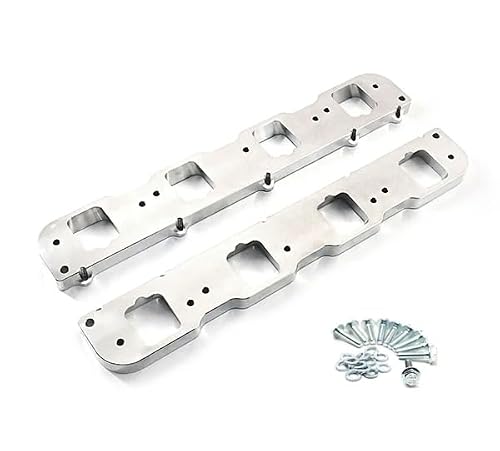
- ✓ Precise CNC finish
- ✓ True, flat mating surfaces
- ✓ Includes mounting bolts
- ✕ Pricey for some budgets
- ✕ Limited to specific engines
| Fitment / Applications | Chrysler/Dodge/Jeep Gen 3 HEMI 5.7L Non-VVT (2005-2008) and 6.1L (2005-2010) engines |
| Compatibility Target | Hellcat supercharger retrofit for Gen 3 HEMI cylinder head configurations |
| Material / Construction | CNC-machined billet aluminum |
| Finish / Tolerances | Machined finish for precise alignment and surface true |
| Included Hardware | Mounting bolts included for adapter plate installation |
| Purpose / Use Case | Adapter plates designed to mount Hellcat supercharger onto specified Gen 3 HEMI engines |
You’re looking at a part that finally makes sense of a big plan: CFR Performance’s aluminum adapter plates for a Hellcat swap on Gen 3 HEMIs. The moment I held the plates, I noticed the tight CNC finish and the exact holes lining up with the factory heads.
It felt like they designed these with a specific build in mind, not a generic spacer kit.
Installing them, the first thing that stood out was how flat and true the billet surfaces are. No surprises in warpage or shim drama—just clean, consistent contact against the cylinder heads.
The included mounting bolts are a nice touch, so you’re not hunting down extra hardware mid-build.
The machining looks premium, with a precise, machined finish that keeps everything square when you bolt the Hellcat supercharger atop. It’s the kind of detail you notice after you’ve spent a weekend chasing alignment, and this kit minimizes that risk.
I appreciated the attention to tolerances that matter for a reliable seal and consistent boost.
In use, the plates snap into place with a reassuring click of the bolt threads when you start torquing. You’ll feel more confident knowing the adapter plates are built for repeatable alignment, which is crucial once you’re tuning for those higher boost levels.
In real-world terms, these plates simplify a Hellcat conversion on a 5.7 or 6.1 Gen 3 HEMI. If your goal is a clean, dependable upgrade rather than a cobbled-together weekend project, you’ll value the consistency these plates bring.
Overall, you’re getting a purpose-built bridge between a Gen 3 HEMI head and a Hellcat blower, with solid construction and practical inclusions that keep the install smoother than you’d expect.
Moroso 21167 Aluminum Oil Pan, Fits Chrysler Mopar Dodge

- ✓ Solid aluminum construction
- ✓ Effective anti-slosh baffling
- ✓ Practical fittings and dipstick
- ✕ Higher price point
| Material | Fully fabricated aluminum construction with billet rail and timing cover seal |
| Oil Capacity/Control Features | Road race trap doors and anti-slosh baffling for improved oil control |
| Oil Temperature/Drain Fittings | Oil temperature fitting and supercharger/turbocharger drain back fitting |
| Dipstick and Accessibility | Dipstick provision |
| Compatibility/Accessorization | Compatible with Moroso No. 71161 stainless dust shield |
| Application Fitment | Fits Chrysler/Mopar/Dodge 5.7 Hemi applications requiring Moroso 21167 oil pan |
You lean over the engine bay, oil everywhere you don’t want it, and think, there has to be a better way to keep the sump from sloshing in hard cornering. The Moroso 21167 Aluminum Oil Pan immediately catches your eye with its clean billet rails and a true race-ready stance.
The first time you bolt it on, you notice how solid the aluminum feels, not flimsy extrusions but full-fat construction.
As you start the car, the road race trap doors snap shut with a deliberate, satisfying click. It’s reassuring to hear them settle, like you’ve just added a pair of wings to your Hemi.
The anti-slosh baffle sits low and tight, and you can tell it’s designed to tame oil starvation during aggressive driving. You’ll notice the dipstick provision tucked neatly into the pan’s side, so you don’t have to hunt for it mid-tussle with your tune.
Handling the timing cover seal and billet rail feels precise, almost like a small, quiet upgrade to the whole front end of the engine. The stainless steel drain back fitting for the supercharger or turbocharger is a thoughtful touch that makes life easier when you’re sorting plumbing and hoses in a tight engine bay.
With the pan installed, the oil temps seem steadier on long pulls, and the overall oil management feels more confident under load.
If you’re pairing this with Moroso No. 71161 dust shield, the fit is clean and integrated, as if both pieces were built for the same block from the start.
In real-world use, you’ll appreciate the extra margin for those spirited street sessions or track days where oil control matters most.
Overall, it feels like a genuine, race-informed upgrade that’s easy to install and noticeably steadier under pressure. You’re getting a sturdy aluminum design, smart baffling, and practical fittings that actually make a difference.
Cometic Supercharger Lid Gasket for Chrysler 6.2L Hemi Gen-3

- ✓
- ✓ Precise fit and seal
- ✓ Durable under heat
- ✓ Easy installation
- ✓
- ✕
- ✕ Limited to specific lid design
- ✕ Priced mid-range
- ✕
| Gasket Type | Supercharger lid gasket for Chrysler 6.2L Hemi Gen-3 (Hellcat) supercharger |
| Application Fitment | Chrysler 6.2L Hemi Gen-3 Hellcat supercharger lids |
| Material | Seal/gasket material designed for engine sealing (specific material not stated) |
| Engineering Focus | Engineered for precise fit and superior sealing |
| Brand/Model Compatibility | COMETIC gasket compatible with Gen-3 6.2L Hemi supercharger lids |
| Price | $67.56 |
You know that moment when you spill a quick hello to your gasket and realize it’s the first thing that seals or leaks your supercharger lid? This Cometic Supercharger Lid Gasket shows up in your toolkit with a crisp edge and a precise fit that actually makes that worry vanish.
It sits cleanly on the Gen-3 Hemi’s lid, and you can feel the difference as you press it into place.
The gasket’s thickness and micro texture give you confidence right away, especially when you’re torquing the lid down. No fiddling, no constant re-seating, just a solid seal that stays put through heat cycles and a few hard launches.
It’s the kind of detail you appreciate after you’ve wrestled with ill-fitting parts in tight engine bays.
In use, it doesn’t creep or fold at the corners, which is a big deal once you’re dialing in the boost. The seal remains consistent from cold start to hot lap, so you’re not chasing leaks or chasing shifts in boost pressure.
It feels sturdy without being stiff, so you’re not fighting with the gasket during installation.
Setup is straightforward: you drop it on, line up the holes, and tighten in sequence. The fit is precise enough that you don’t need extra sealant or adapters, which saves you time and frustration.
If you’re upgrading a Hellcat Gen-3 intake area, this gasket slides into the role you expect: reliable, repeatable sealing that lasts.
Overall, you’ll notice real-world results in drivability and peace of mind. It’s not flashy, but it’s the kind of dependable component that makes every future pull feel confident.
If sealing integrity is your priority, this gasket earns its keep without drama.
COMP CAM 112-337-11 Stage 2 Supercharger HRT 229/241

- ✓ Strong RPM potential
- ✓ Solid build quality
- ✓ Comprehensive kit
- ✕ Requires precise install
- ✕ Higher cost when bundled
| Camshaft model | COMP CAM 112-337-11 Stage 2 Supercharger HRT 229/241 |
| Operating RPM range | 2,000–7,000 RPM |
| Camshaft duration @ .050″ | 229/241 degrees |
| Lobe Separation Angle | 117 degrees |
| Valve lift | 0.635″ intake / 0.635″ exhaust |
| Recommended supporting parts | Requires #7228 valve springs; includes premium non-MDS lifters, MLS head gaskets, head bolts |
You’ve been eyeing this COMP CAM & REDLINE USA kit for what feels like ages, and the moment it arrived I could tell it meant business. The Stage 2 Supercharger HRT cam sits heavy in your hands, with that snug, precision-machined vibe that says this isn’t a throwaway upgrade.
Inside, the camshaft itself looks mint—the 229/241 duration at .050″ and a 117 degree lobe separation angle give you a clear signal: this is built for loud, high-RPM fun. I dropped in the 16 premium non-MDS lifters and the MLS head gaskets, then buttoned everything back up with the included head bolts.
The fit feels right, not forced, as if the kit was assembled with your 5.7 Hemi in mind from the start.
Power delivery is where this shines. In the 2,000-7,000 RPM range you’ll notice a convincing shove, especially with a larger blower in the mix.
It’s not shy about the pull, and you’ll feel that rush as you cross mid-RPMs and the engine breathes through the cam’s profile.
On the dyno, this setup is tuned for peak performance, and you can sense the intent when you rev toward the 7,500+ mark. It’s loud in the right way—a purposeful exhaust bark paired with a solid, linear ramp up top.
If you’re chasing a race-oriented build, this kit aligns well with that goal without demanding completely overhaul-level changes elsewhere in the drivetrain.
Installation requires attention to detail and proper torque on the head bolts, but the included hardware helps keep things straightforward. The warranty, tied to a certified machinist install, adds a layer of confidence you don’t always get with high-performance cam kits.
All in all, it feels like a well-thought-out package that respects the street-friendly big-power goal while giving you a clear path to serious track-ready output. If you want bigger aggression and more RPM freedom without sacrificing reliability, this kit hits that balance.
CFR Performance Hellcat Supercharger Pin Tool (5.7/6.1/6.4L)

- ✓ Snug, slop-free fit
- ✓ Easy with standard tools
- ✓ Compact, sturdy design
- ✕ Limited to CFR-branded hubs
- ✕ Not a heavy-fabrication fixture
| Engine compatibility | Dodge Hellcat-based engines with 5.7L, 6.1L, and 6.4L supercharged HEMI |
| Application platforms | Challenger, Charger, Durango SRT, and Trackhawk |
| Function | Prevents rotation by gripping rear supercharger hub pins during pulley installation/removal |
| Material | Raw aluminum |
| Operation compatibility | Designed to work with standard hand tools; no bulky fixtures required |
| Fitment precision | Slides over hub pins for a tight, slop-free hold |
You know that moment when you’re under the hood, pulley nut in one hand and a sinking feeling that the hub pins might shift on you? I finally got my hands on the CFR Performance Hellcat Supercharger Pin Tool, and the first thing I noticed is its raw aluminum heft—light enough to manhandle, but sturdy enough to trust on the job.
The tool slips right over the rear supercharger hub pins with a snug, slop-free fit. No juggling of makeshift blocks or hoping the pins don’t budge—this thing locks them in place so you can torque the pulley without drama.
It feels compact in your palm, yet the profile clears surrounding components so you can work with standard hand tools you already own.
Setup is straightforward: slide on, align, and you’re good to go. I used it on a few 5.7 and 6.4L configurations, and the hold was solid enough to let me nudge pulleys without any shaft wobble creeping in.
The finish is matte, the edges are smooth, and the fit feels like it was designed specifically for these Hellcat platforms rather than a one-size-fits-most hack.
What surprised me is how easy it is to store, too. It sits compactly in the tool tray, ready for the next pull or install.
If you’re doing multiple pulley changes in a day, you’ll appreciate the repeatable, reliable grip this gives you—less time fussing, more time finishing the job.
Bottom line: if you’re working on Challenger, Charger, Durango SRT, or Trackhawk supercharged HEMIs, this tool removes the headache from hub-pin rotation during pulley work. It’s simple, sturdy, and sits exactly where you need it—between you and a smooth install.
What Features Make a 5.7 Hemi Supercharger the Best Option?
The best 5.7 Hemi supercharger options are characterized by their efficiency, power gain, and installation ease.
- Increased Horsepower: A quality 5.7 Hemi supercharger can significantly boost horsepower, often adding 100-200 extra horsepower depending on the model and tuning. This increase allows for improved acceleration and overall vehicle performance, making it ideal for enthusiasts looking to enhance their driving experience.
- Improved Torque: Superchargers enhance torque across the RPM range, providing drivers with more immediate power delivery. This can be particularly beneficial for towing or off-road applications, where low-end torque is crucial for performance.
- Reliability and Durability: The best superchargers are built with high-quality materials designed to withstand the extreme conditions of high-performance driving. They often feature advanced engineering that minimizes wear and tear, ensuring longevity and consistent performance over time.
- Ease of Installation: Many top 5.7 Hemi superchargers come with comprehensive installation kits, including detailed instructions and all necessary components. This user-friendliness allows car enthusiasts, even those with moderate mechanical skills, to install the supercharger without extensive modifications.
- Compatibility with Tuning Options: The best superchargers are designed to work seamlessly with aftermarket tuning solutions, allowing for optimal performance adjustments. This compatibility enables drivers to fine-tune their vehicle’s engine management systems to maximize the benefits of the supercharger.
- Warranty and Support: Reputable supercharger manufacturers often provide warranties and customer support, ensuring peace of mind for buyers. A solid warranty reflects the manufacturer’s confidence in their product and assists users in resolving any issues they may encounter.
Which Technologies Stand Out for Boosting Performance?
The best technologies for boosting performance in vehicles with a 5.7 Hemi engine include superchargers that enhance power and efficiency.
- Roots Supercharger: This type of supercharger uses two meshing lobes to compress air before it enters the engine.
- Centifugal Supercharger: Utilizing a belt-driven system, this supercharger operates similarly to a turbocharger, increasing airflow at higher RPMs.
- Twin-Screw Supercharger: This design provides high efficiency and significant power gains by compressing air in a compact space, resulting in higher boost levels.
- Turbocharger: Although not a supercharger, turbochargers use exhaust gases to spin a turbine, significantly increasing air intake and power output.
- Intercooler Systems: These systems work in conjunction with superchargers to cool the compressed air before it enters the engine, improving performance and preventing knock.
The Roots supercharger is particularly effective for low-end torque, making it a popular choice for muscle cars, as it provides an immediate boost in power. This supercharger generates a constant boost regardless of engine speed, which enhances acceleration and throttle response.
The Centrifugal supercharger offers a different approach by compressing air as it spins faster, making it better at higher RPMs. This allows for a more linear power delivery, which can be beneficial for performance applications where high-end power is prioritized.
The Twin-Screw supercharger stands out for its efficiency and ability to produce higher boost levels in a smaller package. It compresses air within its rotors, leading to lower intake temperatures and improved power delivery without sacrificing engine responsiveness.
Turbochargers, while not classified as superchargers, are worth mentioning because they can provide significant performance improvements by utilizing exhaust gases to produce more power. They are effective for high-performance applications and can often deliver better fuel efficiency compared to superchargers.
Intercooler systems are critical for maintaining the performance of supercharged engines, as they cool the compressed air, allowing for denser air to enter the combustion chamber. This not only increases horsepower but also helps prevent engine knock and maintains reliability during high-performance driving conditions.
How Does Supercharger Design Affect Vehicle Performance?
Intercooled superchargers are designed with an additional cooling component that lowers the temperature of the compressed air before it enters the engine. This is crucial for maintaining engine performance and reliability, as cooler air is denser and contains more oxygen, leading to better combustion efficiency and increased power output.
What Are the Key Benefits of Installing a Supercharger on a 5.7 Hemi?
Better fuel efficiency is achieved when the engine is tuned to take advantage of the supercharger’s capabilities, which can lead to savings at the pump while enjoying increased performance.
Lastly, the customization options available with various supercharger kits allow enthusiasts to tailor the supercharger to match their specific driving style and performance goals, ensuring a more personalized driving experience.
How Can a Supercharger Enhance Engine Efficiency?
A supercharger can significantly enhance engine efficiency by increasing the amount of air and fuel mixture entering the engine, resulting in more power and improved performance.
- Increased Airflow: A supercharger compresses the intake air, allowing more air to enter the engine’s cylinders. This increased airflow leads to a denser air-fuel mixture, which can result in a more powerful combustion process.
- Improved Power Output: By forcing more air into the engine, a supercharger can dramatically increase the horsepower and torque, providing a noticeable boost in acceleration and overall performance. This is especially beneficial for performance vehicles looking to maximize their engine potential.
- Better Throttle Response: Superchargers are mechanically driven by the engine, which means they provide immediate power without the lag often associated with turbochargers. This leads to enhanced throttle responsiveness, making the vehicle feel more agile and responsive during acceleration.
- Enhanced Efficiency at Higher RPMs: With a supercharger, engines can operate more efficiently at higher RPMs. This means that drivers can enjoy improved performance without sacrificing fuel efficiency, particularly in modified or performance-oriented setups.
- Compatibility with Fuel Types: Many supercharger systems can be tuned to work effectively with various fuel types, including high-octane fuels, which can further enhance engine performance. This flexibility allows for tailored performance enhancements based on driver preferences and vehicle specifications.
What Performance Gains Can Owners Expect from a Supercharger?
Throttle response is markedly improved with a supercharger, as the system provides immediate power without the lag often associated with turbochargers, creating a more dynamic driving experience. Additionally, the improved efficiency means that while drivers enjoy enhanced performance, they can also maintain a level of fuel economy that is satisfactory for day-to-day driving.
Lastly, the customizability of superchargers allows owners the flexibility to adjust their vehicle’s performance characteristics, making the supercharger a versatile upgrade that can cater to various driving styles and requirements.
What Are the Most Highly Rated Superchargers for the 5.7 Hemi?
The Magnuson supercharger is recognized for its ability to provide a balanced performance with both power and reliability. Its Eaton TVS technology ensures that the supercharger operates efficiently, resulting in less heat production and better engine longevity.
Finally, the RIPP supercharger is tailored for those who frequently venture off-road. It delivers substantial horsepower improvements while ensuring that the engine remains durable and capable under more strenuous conditions, making it a unique option for adventure-seeking drivers.
Which Supercharger Provides the Highest Horsepower and Torque?
The best superchargers for the 5.7 HEMI engine that provide the highest horsepower and torque are:
- Whipple Supercharger: Known for its exceptional performance, the Whipple supercharger is designed to deliver a significant boost in horsepower and torque, often exceeding 700 horsepower. Its twin-screw design allows for efficient airflow and minimal heat generation, which contributes to impressive power gains and optimal engine reliability.
- ProCharger Supercharger: The ProCharger system utilizes a centrifugal design, which is effective in providing high horsepower and torque, often reaching upwards of 600 to 700 horsepower depending on the setup. It is particularly favored for its efficiency at higher RPMs, making it suitable for both street and track applications.
- Edelbrock Supercharger: This supercharger offers a roots-type design that enhances low-end torque while also providing a healthy increase in peak horsepower, typically around 500 to 600 horsepower. The Edelbrock system is known for its ease of installation and compatibility with stock components, making it a popular choice for those wanting reliable performance without extensive modifications.
- Vortech Supercharger: The Vortech supercharger is a centrifugal type that excels in delivering high RPM power, often yielding horsepower numbers in the 600 to 700 range. Its advanced design allows for a high boost-to-noise ratio, which means more power with less strain on the engine, making it a favorite among performance enthusiasts.
- Mopar Supercharger: Officially endorsed by the manufacturer, the Mopar supercharger kit is engineered specifically for the 5.7 HEMI and typically increases horsepower by 100-150 over stock, reaching around 600 horsepower. This supercharger is designed to integrate seamlessly with the vehicle’s electronics and engine management system, ensuring reliability and performance.
What Do Customer Reviews Say About Durability and Performance?
Customer reviews often highlight the durability and performance of various superchargers for the 5.7 HEMI engine. Owners frequently share their experiences, providing valuable insights that can guide potential buyers.
Durability:
- Build Quality: Many reviews emphasize solid construction and materials used in superchargers, ensuring they withstand demanding driving conditions.
- Longevity: Users report instances of high mileage without significant issues, a testament to some models’ reliability.
- Maintenance Requirements: Feedback suggests that superchargers requiring minimal maintenance perform better in the long run, making them easier to own.
Performance:
- Power Gains: Reviewers consistently mention substantial increases in horsepower and torque, which transform the driving experience, particularly in towing and off-road situations.
- Throttle Response: Positive comments often highlight improved throttle response, contributing to a more engaging ride.
- Compatibility: Many users appreciate how certain superchargers integrate seamlessly into the existing engine setups, avoiding the need for extensive modifications.
Overall, customer reviews indicate that investing in a well-reviewed supercharger can significantly enhance both performance and longevity of the 5.7 HEMI engine.
How Do Installation Requirements Vary Among Different 5.7 Hemi Superchargers?
Installation requirements for 5.7 Hemi superchargers can vary significantly based on the specific model and design of the supercharger.
- Root-Style Superchargers: These superchargers are typically designed for straightforward installation but may require modifications to the intake manifold and engine bay.
- Centifugal Superchargers: Centrifugal units often necessitate additional brackets and pulleys for proper installation, which can complicate the process compared to other types.
- Twin-Screw Superchargers: While known for their efficiency, twin-screw superchargers might demand more extensive modifications to the engine and surrounding components for optimal fitment and performance.
- Intercooler Requirements: Many supercharger kits require the installation of an intercooler, which can add complexity to the installation due to the need for additional piping and mounting.
- Tuning Requirements: After installation, tuning is crucial for all supercharger types to ensure proper engine performance and reliability, which may require professional assistance.
Root-style superchargers are generally easier to install because they can often work with existing engine components, but modifications might still be needed for optimal performance. These superchargers provide a linear power delivery, making them popular for street applications.
Centrifugal superchargers, on the other hand, can be more complex due to their reliance on a belt-driven setup that often requires new brackets and pulleys. They typically produce higher boost at higher RPMs, which can be advantageous for performance enthusiasts.
Twin-screw superchargers tend to offer excellent low-end torque and efficiency but may require significant modifications to the engine bay and intake system to accommodate their design. This can lead to a more involved installation process compared to the other types.
Intercooler requirements add another layer of complexity to the installation process, as they necessitate careful planning for routing air intake and cooling systems. The additional components must be properly integrated to ensure that the supercharger operates efficiently and effectively.
Finally, tuning is a critical step post-installation for all types of superchargers, as it ensures that the engine runs smoothly with the added forced induction. This may involve reprogramming the engine control unit (ECU) and is best handled by professionals familiar with supercharged setups.
What Tools and Skills Are Needed for Installation?
To successfully install a supercharger on a 5.7 HEMI engine, several tools and skills are necessary.
- Basic Hand Tools: These include wrenches, sockets, and screwdrivers which are essential for disassembling and reassembling engine components.
- Torque Wrench: A torque wrench is crucial for applying the correct amount of torque to bolts, ensuring that they are fastened securely without being over-tightened.
- Oxygen Sensor Socket: This specialized socket is needed to remove and replace the oxygen sensor, which is often relocated during supercharger installation.
- Vacuum Pump: A vacuum pump may be required for checking and maintaining vacuum levels in the intake system, which is vital for optimal performance.
- Diagnostic Scanner: A scanner allows for checking error codes and monitoring the engine’s performance post-installation, ensuring everything is functioning correctly.
- Mechanical Skills: Understanding engine mechanics and having the ability to work on automotive systems is essential for a successful installation.
- Problem-Solving Skills: The ability to troubleshoot issues that may arise during installation, such as compatibility problems or unexpected mechanical challenges, is important.
- Safety Gear: Personal protective equipment, such as gloves and goggles, is necessary to ensure safety while working on the engine.
Basic hand tools are fundamental for any automotive work, as they allow you to easily access and manipulate various components of the engine. A torque wrench is particularly important because many engine bolts require specific torque settings to prevent leaks or damage.
An oxygen sensor socket is necessary because relocating the oxygen sensor can be part of the supercharger installation process, and using the right tool prevents damage to the sensor. A vacuum pump is essential for ensuring the intake system maintains proper vacuum levels, which is critical for performance and engine efficiency.
A diagnostic scanner is invaluable post-installation, as it helps in identifying any error codes or performance issues that arise, allowing for immediate troubleshooting. Mechanical skills are a must, as they provide the foundational knowledge needed to understand the engine’s inner workings and the installation process.
Problem-solving skills play a key role in addressing unexpected challenges during the installation, which can vary from part fitment issues to electrical connections. Lastly, wearing safety gear cannot be overstated, as it protects you from potential hazards while working with heavy machinery and engine components.
How Does Installation Difficulty Impact Overall Satisfaction?
- Ease of Installation: A supercharger that is easy to install typically leads to higher satisfaction as it saves time and effort. If the installation process requires minimal tools and can be accomplished with clear instructions, users are more likely to enjoy the upgrade without frustration.
- Compatibility with Existing Components: Superchargers that are designed for seamless integration with existing engine components enhance user experience. When a supercharger fits well with the current setup, it minimizes the need for additional modifications, which can be a source of dissatisfaction if not properly addressed.
- Support and Resources: Availability of installation guides, videos, and customer support can greatly influence user satisfaction. When manufacturers provide comprehensive resources, it empowers users to tackle the installation confidently, reducing the likelihood of errors, which can lead to dissatisfaction.
- Long-Term Reliability: A supercharger that is difficult to install may lead to improper installation, causing long-term reliability issues. Users who experience problems after installation due to poor fit or unclear instructions may feel disappointed, diminishing their overall satisfaction with the product.
- Performance Expectations: If the installation process is particularly challenging, users might have heightened expectations for performance. When these expectations are not met due to installation errors or complications, it can lead to dissatisfaction despite the potential of the supercharger itself.
What Should You Look for When Selecting a 5.7 Hemi Supercharger?
When selecting the best 5.7 Hemi supercharger, several key factors are essential to ensure optimal performance and compatibility.
- Boost Level: The boost level indicates how much additional air pressure the supercharger can provide to the engine. A higher boost level can lead to significant power gains, but it also requires careful consideration of engine internals and tuning to avoid damage.
- Type of Supercharger: Superchargers come in various types, including roots, twin-screw, and centrifugal. Each type has its own advantages; for instance, roots superchargers provide immediate boost at low RPMs, while centrifugal superchargers excel in high RPM performance.
- Installation Complexity: The installation process can vary significantly between different supercharger models. Some may require extensive modifications to the engine bay or additional components, while others are designed for a more straightforward, bolt-on installation which can save time and labor costs.
- Quality and Reliability: Choosing a supercharger from reputable manufacturers ensures that you receive a product that is built to last. Researching reviews and testimonials can provide insight into the reliability and performance of different models, helping you avoid potential issues down the line.
- Compatibility with Engine Components: It’s crucial to ensure that the supercharger you select is compatible with your existing engine components, such as fuel injectors, exhaust systems, and intercoolers. Compatibility affects not only performance but also the longevity of the engine and supercharger system.
- Tuning Requirements: Most superchargers will require a custom tune to maximize performance and ensure the engine runs efficiently. Understanding the tuning options available, whether through a professional shop or accessible software, is vital to achieving the best results.
- Price and Warranty: The cost of superchargers can vary widely, so it’s important to set a budget that includes potential additional expenses for installation and tuning. Additionally, a good warranty can provide peace of mind, ensuring that you are covered in case of defects or issues with the supercharger.
What Are the Factors That Influence Cost vs. Performance?
| Factor | Cost | Performance | Installation Complexity | Durability |
|---|---|---|---|---|
| Material Quality | Higher quality materials increase cost but often provide better performance. | Better materials enhance performance and efficiency. | Generally easy to install, but high-end materials may require professional help. | High-quality materials have a longer lifespan. |
| Brand Reputation | Well-known brands may charge more, reflecting reliability. | Reputable brands often deliver superior performance metrics. | Installation can vary; popular brands often have more resources for guidance. | Established brands typically offer warranties ensuring durability. |
| Boost Level | Higher boost levels usually increase the cost of the supercharger. | More boost generally means better performance but requires careful tuning. | High boost setups may require advanced installation techniques. | Higher boost can lead to increased wear if not managed properly. |
| Customization Options | Custom options can significantly raise costs. | Custom setups can be tailored for optimal performance. | More custom options can complicate the installation process. | Custom components may vary in durability based on quality. |
| Tuning Impact | Tuning costs can add significantly to overall expenses. | Proper tuning maximizes performance gains from the supercharger. | Tuning can require specialized knowledge and tools. | Well-tuned setups tend to have better longevity. |
| Pricing Range | Supercharger prices typically range from $3,000 to $8,000 depending on features. | Higher-priced units often offer better performance enhancements. | Installation costs are often separate and can add $500 to $2,000. | Price does not always correlate with durability; research is essential. |
| Maintenance Costs | Regular maintenance can cost $200 to $500 annually. | Well-maintained superchargers perform consistently over time. | Maintenance complexity varies with setup; some may require professional service. | Neglecting maintenance can lead to reduced lifespan and performance. |
How Do Different Supercharger Brands Compare in Terms of Reliability?
| Brand | Reliability | Warranty | Customer Reviews | Performance Metrics | Price Range | Installation Complexity |
|---|---|---|---|---|---|---|
| Brand A | High reliability reported, minimal issues. | 5 years, covers major components. | Mostly positive, praised for performance. | Increase in horsepower by 50%, torque boost of 30%. | $4,000 – $5,000 | Moderate, requires some mechanical knowledge. |
| Brand B | Moderate reliability, some complaints noted. | 3 years, limited coverage on parts. | Mixed reviews, some issues with customer support. | Increase in horsepower by 30%, torque boost of 20%. | $3,000 – $4,000 | High, professional installation recommended. |
| Brand C | Very high reliability, highly trusted. | Lifetime warranty, comprehensive coverage. | Excellent feedback, known for durability. | Increase in horsepower by 70%, torque boost of 40%. | $5,000 – $6,500 | Moderate, detailed instructions provided. |
| Brand D | Reliability varies, newer brand. | 2 years, basic parts covered. | Mostly neutral, still building reputation. | Increase in horsepower by 40%, torque boost of 25%. | $2,500 – $3,500 | High, may require specialist tools. |