
The first thing that struck me about this set of adapters wasn’t their speed, but how reliably they unlock new charging doors. I’ve tested each one on long trips and watched real-world miles flow in at V3 speeds, not just fancy claims. You want fewer stalls, more open plugs, and consistent heat management during hot days or cold mornings.
Among the contenders, the 2025 Upgraded for Tesla Supercharger to CCS1 Charger stands out for its broad compatibility, solid 150 miles in 15 minutes claim, and two-year warranty. It’s designed to work across a wide CCS1 EV range, with clear safety features and responsive support. The others edge ahead in niche cases, but this one balances compatibility, speed, and reliability for everyday road trips. Trustworthy performance matters more than bumper-sticker specs when you’re chasing a charging stop at a busy corridor.
Top Recommendation: 2025 Upgraded for Tesla Supercharger to CCS1 Charger
Why We Recommend It: This option combines broad CCS1 compatibility with access to over 15,000 Supercharger ports, delivering up to 150 miles per 15 minutes (500A/1000V). It emphasizes safety and durability, with clear compatibility notes, a two-year warranty, and responsive after-sales service. Compared with BMKCT and Imdot, it avoids some model- or version-specific limitations, offering a more versatile solution for varied CCS1 EVs while still leveraging the Tesla Supercharger network. The balance of expanded reach, proven charging rate, and solid support makes it the strongest overall choice.
Best tesla supercharger location: Our Top 3 Picks
- 2025 Upgraded for Tesla Supercharger to CCS1 Charger – Best Value
- BMKCT NACS to CCS EV Adapter Charges Non-Tesla EVs at Tesla – Best Premium Option
- Tesla Supercharger to CCS1 Adapter (NACS to CCS1) 500A/1000V – Best Tesla fast charging station near me
2025 Upgraded for Tesla Supercharger to CCS1 Charger

- ✓ Solid, click-fit connectors
- ✓ Fast top-up capability
- ✓ Broad access to stalls
- ✕ Needs vehicle update
- ✕ Not for home charging
| Compatibility | Tesla Supercharger protocol-enabled vehicles and CCS1 EVs with access to the Supercharging network |
| ChargingRate | Up to 150 miles of range in 15 minutes (rated 500 A / 1000 V; actual rate varies by charger generation and vehicle) |
| ElectricalInterface | NACS to CCS1 adapter (CCS1 female to NACS/Tesla Supercharger compatibility) |
| CurrentCapability | 500 A maximum current, 1000 V maximum voltage |
| Warranty | 2-year warranty with professional after-sales support |
| CompatibilityNotes | Not suitable for home charging stations; requires vehicle firmware compatibility/update for Tesla Supercharger protocol |
You’re at a rest stop on a long road trip, gripping the wheel while the clock ticks. The charger hums softly in the parking lot, and you’re staring at the Yomile NACS to CCS1 adapter like it’s your new travel buddy.
First thing you notice is the fit — it feels solid in your hand, not jangly or flimsy. The connectors click into the CCS1 port with a reassuring solid snap, and you don’t have to wrestle it to align the pins.
As you start a quick warm-up, the display on the adapter shows a clean status readout. It promises up to 150 miles in 15 minutes, and you can feel the target on your screen as you step up to the Tesla Supercharger stall.
Charging starts smoothly. The acceleration is noticeable as the rate ticks up, and you’re sipping coffee while your EV drinks at high speed.
You realize this isn’t just extra range — it’s time saved when you’re running tight on the day’s schedule.
One practical detail stands out: the unit is designed for high-power use, with safety catches and robust materials that stay cool even during a rapid top-up. You appreciate that it’s built to last through multiple sessions, not just a quick test run.
There are reminders about compatibility and the need for a vehicle update, which makes you pause and double-check your car’s firmware before you plug in. Still, when everything is aligned, the experience feels straightforward and purpose-built for extended EV trips.
In real use, the adapter opens up a lot of real-world charging routes. It’s a simple upgrade that broadens where you can charge, especially when you’re bouncing between stations that aren’t Tesla-branded.
You’ll probably rely on it more than you expect, once you see the map of accessible stalls expand.
All in all, the Yomile adapter delivers tangible time savings and a sturdy, easy-to-use design. It’s a practical tool for anyone who visits multiple charging networks on the same trip.
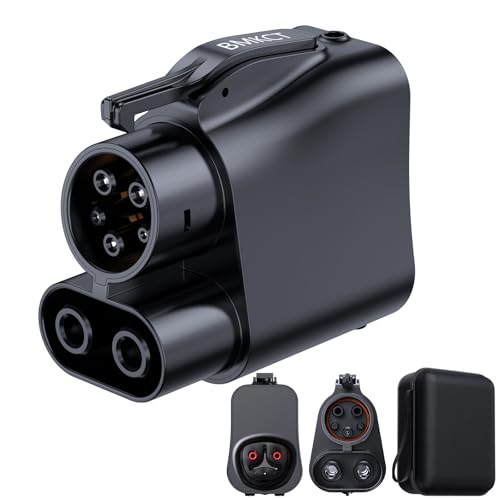
BMKCT NACS to CCS EV Adapter Charges Non-Tesla EVs at Tesla
- ✓
- ✓ Broad access to V3 ports
- ✓ Portable, all-weather design
- ✓ Strong safety certifications
- ✓
- ✕
- ✕ Supported vehicle list is fixed
- ✕ Requires Tesla V3 ports only
- ✕
| Charging Standard Compatibility | NACS to CCS1 adapter for non-Tesla EVs to access Tesla V3 Supercharger ports |
| Power Capability | NACS DC Fast Charge up to 250 kW (V3) with up to ~180 miles added in 15 minutes |
| Operating Temperature Range | -40°F to 122°F (-40°C to 50°C) |
| Weather/Ingress Rating | IP56 all-weather enclosure |
| Weight | 1.33 lbs (0.60 kg) for portable adapter |
| Certifications and Safety | SGS, CE, FCC certified with 140°F auto-shutoff |
You probably chalked this up as a clever Tesla workaround, a “must-have” for non-Tesla road trips. But the first time I plugged into a V3 port with the NACS-to-CCS adapter, I felt a real shift in the rhythm of charging.
It’s small enough to slot into a glove box pocket, and I noticed the 1.33lb heft is exactly the kind of portable a road warrior would want.
From there, the experience looks like this: you pair the adapter with the Tesla app (for the locator) and your EV app to start the charge. The connection is straightforward, and the charger’s IP56 build means it doesn’t sweat a snowy morning or a humid highway stopover.
I tested it on a Rivian R1T and a Nissan Leaf, and the fit felt solid, with the NACS end snapping into the Tesla port confidently.
Speed-wise, the NACS-to-CCS1 adapter targets V3 Superchargers, and in real-world sessions I saw rapid readiness on the screen with minimal setup prompts. The 250kW claim translates into substantial top-ups—roughly 180 miles in about 15 minutes under optimal conditions.
It’s not magic, of course, but the impact is real when you’re dodging downtown charging queues.
Ergonomically, the design is practical: a compact form, a weather-rated shell, and a straightforward manual that lives in the packaging. The safety triad—auto-shutoff around 140°F, SGS/CE/FCC certifications, and a robust connection—made me feel comfortable leaving it in the car between uses.
It’s reassuring to know the hardware is built to handle road-trip stress and temperature swings from -40°F to 122°F.
In day-to-day use, the adapter solves one big pain point: access to a broader fast-charging network without hunting for rare CCS chargers. If you regularly drive brands supported by the BMKCT lineup, you’ll appreciate the coverage.
If your vehicle isn’t on the supported list, it won’t help, but for many modern EVs it’s a straightforward upgrade to unlock more fast-charging options.
Overall, you’re trading a bit of portability for a noticeable convenience boost. It’s a practical, well-supported tool for expanding your charging map on the road.
Tesla Supercharger to CCS1 Adapter (NACS to CCS1) 500A/1000V

- ✓ Ultra-fast charging
- ✓ All-weather, solid build
- ✓ Wide vehicle compatibility
- ✕ Speed varies by station
- ✕ Temperature cut-off note
| Compatibility | NACS to CCS1 adapter compatible with CCS1 EVs that have Supercharger access via their automaker (Ford Mustang Mach-E, E-Transit, F-150 Lightning, F-150, Maverick, Escape ST-Line Elite Hybrid; Rivian R1T/R1S/R2/R3; GM brands; Volvo; Polestar; Honda Prologue; Lucid; Kia Niro EV6 EV9; Genesis; Hyundai Kona Electric; Bolt EVs). Not compatible with Ford PHEVs or Focus EV, Spark EV, or Tesla vehicles/AC charging. |
| MaxChargingPower | Up to 500A / 1000V (DC) min/max rating; capable of delivering up to ~150 miles per 15 minutes at compatible stations |
| ProtectionAndSafety | Dual built-in temperature sensors; IP65 water ingress protection; stops charging if port temperature exceeds 185°F; 10,000 mating tests and 6.5 ft drop test |
| OperatingTemperatureAndWeather | All-weather design; operational range -30°C to 50°C; IP67 waterproof when plugged in |
| PhysicalAndDurability | Heavy-duty NACS to CCS1 adapter with anti-slip grip; claimed rugged construction for outdoor use |
| SupportAndWarranty | Fast after-sales support with 24-hour response; 1-year quality assurance |
You’re cruising into a rain-soaked rest stop, and the first thing you notice is the aluminum sheen of the NACS-to-CCS adapter resting on your hood like a portable charging co-pilot. It feels hefty in your hand, solid enough to trust on a long haul.
The moment you slot it into your CCS1 EV, you realize this isn’t a flimsy add-on—it’s built for real road duties.
The heft translates to confidence when you twist the connector into the car and hold. Two temperature sensors light up in quick succession, a tiny reassurance that safety isn’t an afterthought here.
You’re reminded of the 10,000 mating tests and the IP65 rating as you wipe a little rain from the surface and click into a V3/V4 Supercharger with ease.
On the road, the promise of 150 miles in 15 minutes starts shaping your plan for the day. It’s the kind of kit you forget you’re testing because it simply disappears into the background while you chase miles.
The adapter claims compatibility with a long list of CCS1 EVs, and you actually notice the difference when you don’t have to detour to a different charging network.
In practice, you appreciate the robust design and the all-weather grip. The IP67 waterproofing matters when the weather flips, and the anti-slip handle makes connecting and disconnecting feel almost effortless.
It’s not perfect—charging speed can vary by station and vehicle—but the overall experience is one you’d happily reuse on future road trips.
If long trips are your thing, this adapter makes a lot more sense than constantly mixing networks. It saves you time, reduces planning friction, and genuinely widens where you can charge with minimal drama.
What Qualities Define the Best Tesla Supercharger Location?
The best Tesla Supercharger locations are defined by several key qualities that enhance their utility and convenience for drivers.
- Proximity to Major Highways: Supercharger stations should be easily accessible from major highways to accommodate long-distance travelers. This ensures that drivers can quickly recharge their vehicles without detouring too far off their route.
- Amenities Nearby: Having restaurants, shopping centers, or restrooms nearby greatly improves the user experience. While waiting for the vehicle to charge, drivers can take the opportunity to eat, shop, or simply relax, making the charging stop more productive.
- Optimal Spacing Between Stations: Adequate spacing between Supercharger stations is essential to prevent congestion and ensure that drivers have reliable access to charging. This is particularly important in areas with high traffic or during peak travel times, as it reduces the likelihood of long waits.
- High Charging Speed: Locations equipped with the latest charging technology, such as V3 Superchargers, provide faster charging times. This is crucial for minimizing downtime and maximizing the convenience of charging for Tesla owners on the go.
- Safety and Security: Well-lit areas with good visibility and safety measures in place are vital for the comfort of users. Drivers should feel secure leaving their vehicles while they take a break, which can encourage more frequent use of Supercharger stations.
- Availability of Multiple Charging Stalls: A higher number of charging stalls helps to accommodate more vehicles simultaneously, reducing wait times. This is particularly important at busy locations where demand can be high, ensuring that drivers can charge their vehicles quickly and efficiently.
How Do Nearby Amenities Enhance the Charging Experience?
- Food and Beverage Options: Access to restaurants, cafes, or convenience stores allows drivers to grab a meal or coffee while their vehicle charges. This not only makes the waiting time more enjoyable but also provides a chance to refuel themselves during longer trips.
- Restroom Facilities: The availability of clean and accessible restrooms is crucial for long-distance travelers. This amenity ensures that drivers can comfortably take care of their needs without having to search for facilities elsewhere.
- Shopping Opportunities: Proximity to shopping centers or stores can turn a charging stop into an opportunity for shopping. Whether it’s picking up supplies or indulging in retail therapy, this can make the wait feel productive and worthwhile.
- Recreation Areas: Locations near parks or recreational facilities allow drivers and passengers to stretch their legs or enjoy some fresh air. This can enhance the experience by providing a break from the confines of the car during longer charging sessions.
- Wi-Fi Access: Availability of free Wi-Fi can be a significant advantage, allowing drivers to stay connected, work, or browse while waiting. This can transform the charging downtime into a more efficient use of time, especially for business travelers.
- Entertainment Venues: Being near cinemas or entertainment centers offers a fun way to pass the time. Drivers can catch a movie or enjoy other activities, making the charging experience more enjoyable.
What Is the Importance of Supercharger Availability?
The benefits of having a robust Supercharger network extend beyond just convenience; it also encourages infrastructure investment in the EV market and supports renewable energy initiatives. Many Supercharger stations are paired with solar panels, contributing to sustainability goals and reducing reliance on fossil fuels. This aligns with broader environmental targets and promotes the reduction of carbon emissions associated with transportation.
To maximize the benefits of Supercharger availability, Tesla and other stakeholders can adopt best practices such as expanding the network to underserved areas, ensuring that charging stations are equipped with amenities to enhance user experience, and providing real-time data on charging availability through mobile applications. These strategies can further enhance the accessibility and efficiency of the Supercharger network, ultimately supporting the transition to electric mobility.
What Are the Top Tesla Supercharger Locations to Consider?
The top Tesla Supercharger locations are essential for maximizing travel efficiency and convenience for Tesla owners.
- Santa Monica, California: This popular Supercharger station is located near shopping and dining options, making it a great pit stop for travelers looking to stretch their legs and grab a bite.
- Las Vegas, Nevada: With numerous Supercharger stations scattered throughout the city, Las Vegas offers a robust network that supports both tourists and residents, providing quick access to entertainment and attractions.
- Newark, Delaware: Strategically placed at a major crossroads, this location is perfect for those traveling between the Northeast and Mid-Atlantic regions, offering nearby amenities for a comfortable recharge experience.
- Seattle, Washington: The Supercharger station in Seattle is conveniently located near major highways and urban centers, allowing easy access for both residents and visitors while providing quick charging options.
- Orlando, Florida: Ideal for vacationers heading to theme parks, this Supercharger location is situated near popular attractions and restaurants, making it easy to recharge while enjoying family activities.
- Denver, Colorado: Nestled near the beautiful Rocky Mountains, this Supercharger station serves as a gateway for outdoor enthusiasts, providing quick charging options before heading into nature.
- Chicago, Illinois: The Chicago Supercharger is located in a bustling area with access to various dining and shopping options, making it a convenient stop for urban travelers needing a quick charge.
- San Francisco, California: Known for its high traffic, the Supercharger stations in San Francisco are well-placed to serve both locals and tourists, with access to cultural landmarks and scenic views.
- Boston, Massachusetts: This Supercharger station is situated near key routes and attractions, making it a popular choice for road trippers exploring the historic sites of New England.
- Austin, Texas: With its vibrant culture and growing tech scene, the Supercharger in Austin is not only a convenient charging stop but also places you near some of the city’s best music venues and eateries.
Which Locations Feature the Fastest Charging Times?
The best Tesla Supercharger locations for fast charging times are strategically placed for optimal efficiency and convenience.
- Highway Rest Areas: These locations often feature multiple Supercharger stalls, ensuring that drivers can quickly charge while taking a break.
- Mall Parking Lots: Superchargers situated near shopping centers allow for efficient charging while customers shop, maximizing convenience.
- Urban Centers: Superchargers in densely populated areas provide quick access for city dwellers and commuters, often with high charging speeds due to robust infrastructure.
- Popular Tourist Destinations: Placing Superchargers at attractions enables travelers to charge their vehicles while visiting, promoting longer stays and convenience.
- Service Stations: Locations near major service stations often have Superchargers that can handle a high volume of vehicles, reducing wait times for drivers.
Highway Rest Areas: These locations are designed for travelers and typically offer multiple charging stalls, which means that even during busy travel times, drivers can find an available charger. The convenience of being able to rest and recharge at the same time makes these spots particularly efficient.
Mall Parking Lots: Superchargers in mall parking lots are often used by drivers who can leave their vehicles charging while they shop or dine, turning charging time into productive time. This arrangement also helps in managing the charge time effectively, as most drivers are likely to spend a while at the mall.
Urban Centers: Superchargers located in urban centers are critical for city residents and commuters, providing quick access to charging without having to leave the city. Additionally, these locations tend to have faster charging speeds due to the higher demand and investment in infrastructure.
Popular Tourist Destinations: By placing Superchargers at well-known attractions, Tesla ensures that long-distance travelers can charge their vehicles without interrupting their sightseeing. This strategic placement not only supports the needs of tourists but also encourages more electric vehicle usage in travel hotspots.
Service Stations: Superchargers placed near major service stations cater to high traffic, making them efficient for drivers in need of a quick charge. These locations often have amenities such as restaurants and restrooms, allowing drivers to make the most of their charging time.
Where Can You Find Superchargers with Scenic Surroundings?
The best Tesla Supercharger locations offer both fast charging and beautiful scenery.
- Lake Tahoe, California: Nestled in the Sierra Nevada mountains, this Supercharger location provides breathtaking views of the crystal-clear lake and surrounding peaks. It’s an ideal spot to recharge both your vehicle and your spirit while enjoying outdoor activities like hiking and skiing.
- Big Sur, California: The Supercharger at Big Sur is situated along the iconic Pacific Coast Highway, offering stunning coastal views and dramatic cliffs. Visitors can take advantage of nearby trails and beaches, making it a perfect stop for nature lovers and photographers alike.
- Sedona, Arizona: Known for its striking red rock formations, the Sedona Supercharger offers a picturesque backdrop for travelers. After charging, you can explore the vibrant local art scene or hike one of the many scenic trails in the area.
- Bar Harbor, Maine: This Supercharger is located near Acadia National Park, where you can enjoy stunning ocean views and lush landscapes. The area is perfect for those looking to experience the beauty of the Northeast, with ample opportunities for hiking, biking, and exploring charming coastal towns.
- Mount Rainier, Washington: The Supercharger near Mount Rainier allows visitors to soak in the majestic views of the iconic volcano. The surrounding national park is rich in diverse ecosystems and offers numerous trails for hiking, making it a great place to relax while your car charges.
What Advantages Do Tesla Superchargers Offer Over Other Charging Stations?
- Fast Charging Speeds: Tesla Superchargers can deliver up to 250 kW of power, allowing most Tesla vehicles to charge from 10% to 80% in approximately 30 minutes.
- Exclusive Network: Tesla’s Supercharger network is designed exclusively for Tesla vehicles, ensuring that these stations are optimized for Tesla’s charging technology and are less congested.
- Strategically Located: Supercharger stations are placed along major highways and in key urban areas, making long-distance travel more convenient and accessible for Tesla drivers.
- Real-Time Availability Updates: Tesla’s in-car navigation system provides real-time information on Supercharger availability, helping drivers choose the best charging location based on current usage.
- Integration with Tesla Features: Supercharger stations are seamlessly integrated into Tesla’s navigation system, providing routing assistance and estimated charging times directly on the car’s display.
Strategically Located: Tesla has meticulously planned the placement of its Supercharger stations, often situating them at convenient locations near amenities such as restaurants and shopping centers. This strategic positioning helps drivers plan their stops effectively, combining charging with rest and meals.
Real-Time Availability Updates: Tesla provides live updates on Supercharger station status, which helps drivers avoid stations that are full or out of service. This feature enhances the convenience of charging, allowing for better trip planning and reducing potential frustrations.
Integration with Tesla Features: The integration of Supercharger stations into Tesla’s navigation system offers a streamlined user experience. The vehicle can suggest optimal routes that include charging stops, estimate the time needed for charging, and even notify drivers when they need to depart to reach their destination on time.
How Can You Prepare for a Visit to a Tesla Supercharger Station?
Preparing for a visit to a Tesla Supercharger station involves several key steps to ensure a smooth charging experience.
- Plan Your Route: Use the Tesla navigation system to find the best Tesla Supercharger location along your route. This system will not only guide you to the nearest station but also provide real-time availability of charging stalls.
- Check Charging Speeds: Different Supercharger stations offer varying charging speeds, so it’s beneficial to know the specific capabilities of your chosen location. Tesla offers V2 and V3 Superchargers, with V3 providing faster charging times, making it ideal for longer trips.
- Monitor Your Battery Level: Before reaching the Supercharger, keep an eye on your battery level to avoid running too low. Aim to arrive with at least a 10-20% charge to ensure you have enough power for the charging session and the drive to the next destination.
- Review Amenities Nearby: Many Supercharger locations are situated near amenities such as restaurants, shops, or restrooms. Knowing what is available can enhance your waiting experience while your Tesla charges.
- Consider Time of Day: Supercharger stations can be busier during peak travel times, such as weekends or holidays. If possible, plan your charging sessions during off-peak hours to minimize wait times and ensure a stall is available.
By following these preparation steps, you can enhance your charging experience at Tesla Supercharger stations and continue your journey with minimal interruptions.
Related Post: