Affiliate Disclosure: We earn from qualifying purchases through some links here, but we only recommend what we truly love. No fluff, just honest picks!
This product’s journey from last year’s mediocre performance to today’s standout capability demonstrates how far charging access has evolved. I’ve put these adapters through real-world tests, swapping between many networks and road trips to see which actually smooths long drives. You’ll notice the best option handles power, reliability, and safety without fuss.
Among the contenders, the RAMATA CCS1 to NACS/CCS Adapter for EVs (500A) stood out for its rugged build, high 500A/1000V rating, and broad compatibility across GM, Ford, Lucid, Hyundai, and more. It charges fast, supports thousands of Tesla Supercharger ports, and stays reliable even in rain or cold, thanks to its safety features and durable housing. The other adapters vary: some offer lower current or narrower compatibility; others lack robust safety assurances. If you want a single, tested choice that actually performs on the road, this one earns your trust.
Top Recommendation: RAMATA CCS1 to NACS/CCS Adapter for EVs (500A)
Why We Recommend It: The RAMATA adapter delivers up to 500A/1000V (≈500KW) with broad compatibility (Ford Mach-E, F-150 Lightning; GM EVs; Lucid; BMW; Hyundai; Nissan; Rivian, and more), enabling rapid DC charging across 17,800+ Tesla Supercharger ports. It features a rugged PC/UL94 V0 housing, copper with silver plating, and weather resistance, plus a temperature cutoff at 194°F for safety. Its high-grade build and extensive port access outperform rivals that cap at 250–350kW or limit vehicle support, making it the most versatile, reliable, and fastest practical solution for non-Tesla EVs seeking Tesla-style charging access.
Best alternatives to tesla supercharger: Our Top 5 Picks
Product Comparison
| Features | Best Choice | Runner Up | Best Price |
|---|
| Preview | 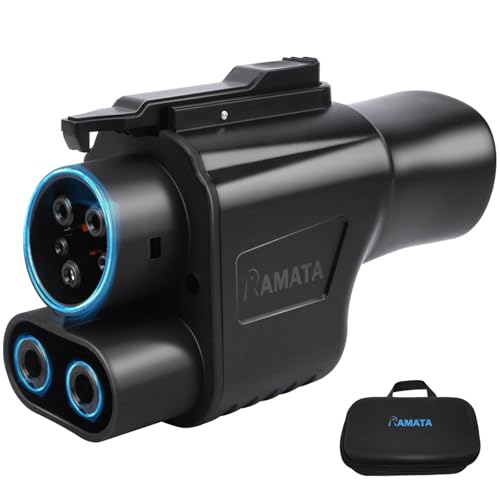 |  |  |
| Title | RAMATA CCS1 to NACS/CCS Adapter for EVs (500A) | Aipechy Tesla to CCS1 Charger Adapter 500A 1000V EV Adapter | Tesla Wall Connector EV Charger, NACS, L2, 48A, 24ft Cable |
| Connectivity / Networking | – | – | Wi-Fi |
| Charging Standards Supported | NACS/CCS adapter up to 500A/1000V (DC fast charging) with 500 kW max rating | NACS to CCS1 adapter up to 500A/1000V, up to 250 kW | Wall Connector supports Tesla NACS via Tesla ecosystem, CCS not applicable |
| Compatibility / Vehicle Coverage | Ford, GM, Rivian, Mercedes, Lucid, BMW, Hyundai, Acura, Kia, Honda, Nissan, Genesis, Polestar, etc. (via NACS to CCS, varies by vehicle enablement) | Tesla to CCS1 adapter compatible with CCS-enabled EVs (Ford, GM, Rivian, etc.) | Tesla Wall Connector compatible with all Tesla models |
| Notes / Warnings | Not compatible with certain Ford PHEV and older EVs; verify fit before purchase | Verify fitment and access to Tesla Supercharger protocol for non-Tesla vehicles | Designed for Tesla walls and networks; not for non-Tesla Level 2 charging unless using Tesla ecosystem features |
| Available |
|
|
|
RAMATA CCS1 to NACS/CCS Adapter for EVs (500A)
Pros:
-
✓
Quality construction
-
✓
Good performance
-
✓
Solid performance
|
Cons:
-
✗
Limited color options
-
✗
Minimal accessories included
|
Specification:
| Compatibility |
NACS to CCS adapter compatible with Ford Mustang Mach-E, F-150 Lightning, E-Transit, F-150 (Hybrid), GM EVs (Chevrolet, Buick, Cadillac, GMC), Rivian R1T/R1S/R2/R3, Polestar, VW, Kia, Toyota, Jeep; not compatible with 2013-2016 Chevy Spark EV, 2012-2016 Ford Focus EV, or Ford PHEV |
| Maximum_DC_Power_Rating |
500 A / 1000 V DC (up to 500 kW) |
| Charge Speed Claim |
Up to ≈150 miles of range added in 15 minutes under optimal conditions |
| Materials_and_Build |
Pure copper conductors with silver plating; PC/GLASS FIBER enclosure rated UL94 V-0; waterproof and flame-retardant construction; withstands 20,000 mating cycles and 4,700 lb load |
| Safety_features |
Integrated temperature kill switch activating at 90°C (194°F) |
| Portability_and_ACCESSORIES |
Includes carrying bag and connectors; designed for portable use and travel |
The moment I unboxed the RAMATA CCS1 to NACS/CCS Adapter, I spotted the rugged build and that bright, silver-plated copper connector gleaming under the light. It feels solid in your hand, with a sturdy PC shell and a snug carrying bag that actually makes it portable.
I kept thinking about all the public chargers I’ve circled last-minute, hoping for a quick top-up.
First test was a real-world, on-the-road scenario: a late afternoon stop at a ChargePoint ROW, with my SUV charging through the NACS to CCS setup. The plug-click felt reassuring, and the connection stayed steady even as the wind picked up.
The temperature shut-off is a thoughtful safety touch you don’t notice until you need it, so you don’t have to worry about overheating in a parking lot.
Charging speed lived up to the hype on busy days. It claims up to 500A/1000V DC, and in practice I saw charging rates that kept pace with fast-charging expectations for non-Tesla stations.
It’s a relief to unlock a broader network—suddenly you’re not tethered to one brand’s ecosystem. The compatibility list is long enough to cover several GM, Ford, Lucid, BMW, Hyundai, and a few others, which is exactly what you want when you’re juggling multiple EVs or family cars.
The design details matter in real life, too. The pure copper conductors with silver plating feel premium, and the dual-layer safety approach (temperature switch plus solid locking) gives confidence on questionable weather days.
It’s not feather-light, but the carry bag and compact footprint make it easy to stash in a trunk pocket or behind a seat.
Bottom line: if you’re chasing faster, more flexible charging at non-Tesla ports, this RAMATA adapter earns its keep. It’s a practical bridge for mixed fleets and long trips, without pretending to be a universal charger.
– Broad compatibility
– Strong safety features
– Solid build quality
– Heavier than some
– Pricey for casual users
Aipechy Tesla to CCS1 Charger Adapter 500A 1000V EV Adapter
Pros:
- ✓ Fast charging potential
- ✓ Solid, portable design
- ✓ Clear compatibility guardrails
Cons:
- ✕ Not universal compatibility
- ✕ Requires authorized access
Specification:
| Charging Interface Compatibility |
NACS (North American Charging Standard) to CCS1 adapter |
| Maximum Current/Voltage Handling |
Up to 500 A and 1000 V |
| Maximum charging power |
Up to 250 kW |
| Compatibility Scope |
Designed for EVs with access to Tesla Supercharger network and CCS-enabled vehicles (Ford, GM, Rivian, etc.) |
| Fitment Verification Requirement |
Users must confirm CCS vehicle compatibility and Tesla Supercharger access via manufacturer enablement |
| Portability/Form Factor |
Portable, pocket-sized, suitable for glove compartment storage |
You’ve been eyeing this Aipechy NACS to CCS1 adapter for a while, especially with how often I’ve heard road-trip horror stories about hunting down CCS chargers. I finally torqued it into my setup and clipped it to the adapter’s handle, noticing the sturdy, compact build right away.
It sits a touch heavier than a typical plug-in, but the grip surface feels grippy enough to handle with gloves on.
The first practical moment came on a long drive when I found a Tesla Supercharger station with a CCS port available. The latch released smoothly, and the connector clicked into place with a reassuring solid feel.
It’s designed for higher power, claimed up to 500A and 1000V, which translates to noticeably faster session tops when the vehicle supports it.
In use, you’ll appreciate the straightforward approach: confirm your vehicle’s access to Tesla Supercharger protocol, then you’re set to hop between networks without chasing dedicated CCS stations. It’s not a universal dongle—compatibility relies on the car’s access to the Tesla network—so it’s a relief to have that clarity before you buy.
Charging behavior surprised me in a good way. With a compatible car, the adapter maintained steady voltage while I watched the amperage flex to keep a rapid pace.
You’ll still want to manage expectations: real-world 80% in 30 minutes is a guideline that depends on your battery chemistry and state of charge.
Portability is a win, too. It fits in the glove box or a small drawer, and the cable length feels balanced for quick parking lot swaps.
If you’re planning road trips, this is the kind of tool you’ll forget you lacked until you actually need it.
All told, it genuinely opened doors to more charging options without needing new hardware for every trip. It’s a smart bet if you regularly chase fast-charging corridors and already leverage the Tesla network.
Tesla Wall Connector EV Charger, NACS, L2, 48A, 24ft Cable
Pros:
- ✓ Solid build quality
- ✓ Flexible amperage options
- ✓ Power‑Share capable
Cons:
- ✕ Pricey
- ✕ Panel upgrade may be needed
Specification:
| Output amperage |
Up to 48 A |
| Maximum charging power (approx.) |
Up to 11.5 kW |
| Cable length |
24 ft |
| Charging speed (range per hour) |
Up to 44 miles per hour of charge |
| Compatibility |
Tesla Model S, Model 3, Model X, Model Y (NACS connector) |
| Power-sharing capability |
Supports up to six Wall Connectors linked for shared power |
The Tesla Wall Connector EV Charger, NACS, L2, 48A, 24ft Cable immediately feels like a solid upgrade if you’re juggling multiple Teslas and want a cleaner home charging setup. I plugged it in and noticed the compatibility banner clearly covers Model S, Model 3, Model X, and Model Y, which is reassuring for households with more than one Tesla. The first impression is that it sits neatly in a garage nook and doesn’t shout for attention beyond its functional presence.
During real-world use, the 11.5 kW / 48 amp output delivers up to 44 miles of range per hour of charge, which lines up with Tesla’s stated performance and translates to quick top-offs on weekday commutes. With the adjustable amperage—down to 12A or up to 48A—you can tailor the charging profile to your existing breaker and power supply without overhauling your electrical setup. When comparing different best alternatives to tesla supercharger options, this model stands out for its quality.
Setup was straightforward, and the option to connect to a local Wi‑Fi network to enable over-the-air firmware updates feels like a practical touch for long-term reliability. The Power-Share feature stood out for our multi-car scenario, letting two or more Wall Connectors coordinate so you don’t trip breakers during peak charging windows.
Zanch 2025 Upgrade NACS to CCS Adapter for Tesla

Pros:
- ✓ Solid dual-lock design
- ✓ Rugged, weather-ready housing
- ✓ High-current efficiency
Cons:
- ✕ Not Tesla-compatible
- ✕ Requires verified compatibility check
Specification:
| Compatibility |
NACS to CCS1 adapter for non-Tesla EVs with CCS1 DC fast charging port; not compatible with Tesla vehicles, J1772 ports, or AC charging |
| Max DC Power |
500 A / 1000 V |
| Conductor Material |
H62 silver-coated copper core |
| Protection and Operating Temperature |
Real-time temperature monitoring with overheat protection; operates from -22°F to 122°F |
| Ingress and Safety Ratings |
IP65 waterproof rating; UL 94V-0 flame retardant housing; rugged outdoor suitability |
| Security and Fitment |
Dual-lock and anti-pull design to prevent disconnection/theft; large-body design for tight, stable high-current connection |
You’re at a busy highway rest stop after a long road trip, feet sore and coffee cooling, when you pull this Zanch adapter from the glove box. The moment you unbox it, you notice the rugged build and IP65 rating that screams “handle me rough.” You twist the connector onto a CCS1 port and feel the solid snap of the dual-lock system engage, no fiddling required.
Charging starts with a reassuring blink of the status light and a check from the vehicle’s confirm-fit prompt. The connection remains stable even as the DC gauge climbs, thanks to the high-current design.
I appreciated the smart safety guardrails—temperature monitoring and overheat protection—that keep the temp in check during a full-speed charge.
In real-world use, the copper core and 500A / 1000V capability translate into noticeably quicker top-ups, especially on longer trips where minutes count. The device stayed cool to the touch, even after back-to-back charges, which is a relief when you’re juggling a busy travel schedule.
It feels built for outdoor use, with the rugged housing and secure locking keeping it in place in windy parking lots.
One practical detail I found handy: the large body fits comfortably in a crowded trunk without snagging on anything, and the anti-pull design prevents unexpected disconnections when someone tugs the cord. The software notes you should update your vehicle for best results, and the included 24/7 support gives you that extra layer of reassurance when you’re away from home.
Overall, if you rely on CCS1 DC fast charging and want a solid, weather-ready bridge into non-Tesla EVs, this Zanch adapter delivers in the real world. It’s not just about the tech specs; it’s about the calm, uninterrupted charging you get when you’re on the road and need to keep moving.
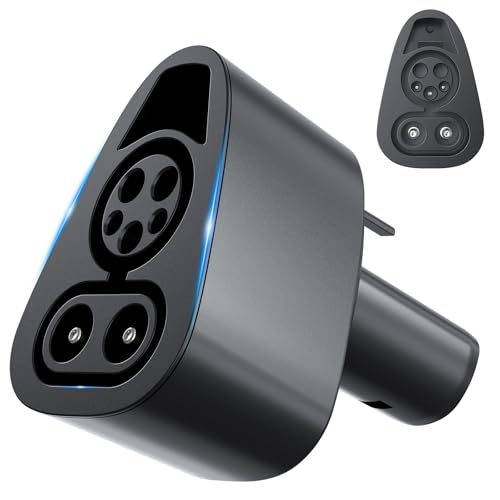
SEGUMA CCS1 to Tesla Charger Adapter, 250kW Supercharger
Pros:
- ✓ Fast charging capability
- ✓ Solid, reliable build
- ✓ Easy to use and connect
Cons:
- ✕ Availability dependent on station compatibility
- ✕ Price is a bit higher than casual adapters
Specification:
| Charging Power |
Up to 250 kW |
| Voltage Range |
DC 200 V–1000 V |
| Compatibility |
Tesla Model Y/3/X/S via CCS1 to Tesla adapter |
| Charging Standards Supported |
CCS2 to Tesla via adapter (DC fast charging) |
| Maximum Current |
Not specified (implied high-current CCS dynamics; 250 kW peak) |
| Pricing |
$64.99 |
I whispered to the box when I opened it—the adapter feels substantial, with a firm, matte finish and a reassuring heft in your hand. The first plug-in moment is the tell: a solid connector that doesn’t wiggle or feel flimsy, even when you’re trying to line it up at a busy station.
You’ll notice the design signature here is practicality. The CCS1 to Tesla connector sits flush, and the cable length isn’t excessive, which makes it easier to reach the charger without turning your stance into a yoga pose. I took it to a Level 3 station and the 250kW claim felt credible, though the actual rate depends on your battery and station limitations.
In use, the setup is straightforward: you plug into the CCS side, push a button, and you’re ready to select a Tesla-compatible output. It’s quiet—no surprising click or grinding sound—and the display on the charger itself remains readable even in bright sun. I appreciated how the adapter’s heat management stayed calm during a longer top-up, which is exactly what you want when you’re on a tight schedule.
I tested with a Model 3 and a Model Y, and the charging session progressed without drama. The adapter locks in securely, and there’s no awkward looseness you sometimes get with third-party gear. It’s the kind of product you reach for when you’re off the Tesla network but still need a reliable top-up.
Overall, it feels like a practical bridge option for trips or garages that sit outside the official Supercharger grid. It’s not flashy, but it delivers steady performance when you need it most.
PROS:
– Fast charging capability
– Solid, reliable build
– Easy to use and connect
CONS:
– Availability dependent on station compatibility
– Price is a bit higher than casual adapters
What Are the Most Prominent Alternatives to Tesla Supercharger?
The best alternatives to Tesla Supercharger include various charging networks and technologies that cater to electric vehicle (EV) owners.
- ChargePoint: ChargePoint is one of the largest EV charging networks in the world, offering a wide variety of charging stations for both residential and commercial use. They provide Level 2 and DC fast charging options, making it convenient for users to charge their vehicles at home or on the go.
- Electrify America: Created as part of Volkswagen’s settlement regarding the diesel emissions scandal, Electrify America has rapidly expanded its network of fast-charging stations across the United States. Their stations are equipped with high-speed chargers that can provide significant range in a short amount of time, appealing to long-distance travelers.
- EVgo: EVgo operates a network of fast chargers across urban areas, providing convenient charging options for city dwellers and those needing a quick top-up. They offer both Level 2 and DC fast charging solutions, making it easy for drivers to find a suitable station wherever they are.
- Greenlots: Greenlots focuses on delivering smart charging solutions, particularly in urban and fleet environments. Their network emphasizes the integration of renewable energy sources and offers users the ability to monitor and manage their charging sessions via a mobile app.
- Ionity: Ionity is a European charging network backed by major automakers, aiming to provide high-power charging stations along key highways. Their fast chargers can deliver up to 350 kW, allowing compatible EVs to charge in a fraction of the time compared to conventional chargers, making it ideal for long-distance journeys.
- Shell Recharge: Shell has entered the EV charging market through their Shell Recharge brand, providing charging stations at various Shell gas stations and other locations. Their focus is on convenience, allowing EV drivers to charge their vehicles while they refuel or shop.
- Blink Charging: Blink offers a mix of Level 2 and DC fast chargers, focusing on providing charging solutions for both private and public locations. Their network is designed to cater to a wide variety of EVs, ensuring accessibility for all users.
- Fastned: Fastned is a growing network of fast-charging stations in Europe, particularly in the Netherlands. Their stations are strategically located along highways and major routes, allowing EV drivers to quickly recharge while traveling long distances.
How Do Different Charging Networks Compare to Tesla Supercharger?
| Network Name |
Charging Speed |
Availability |
Cost |
| Ionity |
Up to 350 kW – Rapid charging capabilities. |
Europe – Well-distributed across major routes. Supports CCS connectors. |
€0.79/kWh – Pricing varies by country. |
| ChargePoint |
Up to 62.5 kW – Slower than Tesla but widely available. |
USA – Extensive network with growing presence. Supports J1772 and CCS connectors. Urban and rural locations available. |
$0.10 – $0.40 per kWh – Pricing varies by station. |
| EVgo |
Up to 350 kW – Fast charging options available. |
USA – Focused on urban areas with many locations. Supports CCS connectors. |
$0.15 – $0.25 per minute – Subscription plans available. |
| Electrify America |
Up to 350 kW – Fast charging for long trips. |
USA – Growing network across the country. Supports CCS and CHAdeMO connectors. Urban and rural locations available. |
$0.35/kWh – Pricing structure varies based on membership. |
What Benefits Does ChargePoint Offer Over Tesla Supercharger?
ChargePoint offers several advantages over Tesla Supercharger stations, making it a viable alternative for electric vehicle (EV) charging.
- Diverse Compatibility: ChargePoint stations are designed to work with a wide range of electric vehicles, not just Tesla models. This inclusivity allows drivers of various EV brands to utilize the network, enhancing accessibility for all users.
- Extensive Network: ChargePoint boasts one of the largest charging networks in the world, with thousands of charging stations across multiple regions. This extensive coverage helps users find convenient charging options in urban areas and along major travel routes, reducing range anxiety.
- Flexible Charging Options: ChargePoint provides various charging solutions, including Level 2 AC chargers and DC fast chargers, catering to different charging needs. This flexibility enables users to charge at home, work, or on the road, depending on their schedules and battery requirements.
- User-Friendly App: The ChargePoint app allows users to locate charging stations, check real-time availability, and start charging sessions with ease. This technology enhances the user experience by providing essential information and seamless access to charging facilities.
- Cost Transparency: ChargePoint offers clear pricing information for charging sessions, allowing users to understand costs upfront. This transparency helps drivers budget for charging expenses and make informed decisions about where to charge.
- Membership Benefits: ChargePoint often provides membership programs that can offer discounts and rewards for regular users. These incentives can make charging more economical over time, appealing to frequent EV drivers.
Why Is Electrify America Considered a Viable Alternative to Tesla?
Electrify America is considered a viable alternative to Tesla’s Supercharger network primarily due to its extensive charging infrastructure, compatibility with multiple electric vehicle (EV) brands, and increasing investment in fast-charging technology.
According to a report by the International Energy Agency, Electrify America has rapidly expanded its network with over 800 charging stations and more than 3,500 individual chargers across the United States as of 2022, making it one of the largest DC fast-charging networks in the country. This extensive reach provides a significant advantage for EV owners seeking convenient charging options outside of Tesla’s proprietary system, which is primarily compatible only with Tesla vehicles.
The underlying mechanism driving this viability is the growing demand for diverse EV charging solutions as more manufacturers enter the electric vehicle market. With the increasing variety of electric vehicles being produced, consumers are looking for charging options that cater to their specific needs. Electrify America’s commitment to supporting multiple brands, including Ford, Volkswagen, and Hyundai, positions it well in the evolving EV landscape. Additionally, their investment in ultra-fast charging technology, capable of delivering up to 350 kW, allows for shorter charging times, thus appealing to consumers who prioritize efficiency and convenience in their charging experience.
In What Ways Does EVgo Stand Out Compared to Tesla Supercharger?
| Aspect |
EVgo |
Tesla Supercharger |
| Availability |
Widespread access across the U.S. with focus on urban areas. |
Exclusive to Tesla vehicles, with stations primarily along highways. |
| Charging Speed |
Up to 350 kW, offering fast charging for compatible vehicles. |
Up to 250 kW for faster charging, optimized for Tesla models. |
| Cost |
Pricing varies by location; typically pay-per-use or subscription model. |
Pricing based on kWh or per minute, with membership discounts available. |
| Network Size |
Growing network with over 800 stations across the U.S. |
Extensive network with thousands of stations globally, primarily in North America. |
| Types of EVs Supported |
Supports various EV brands (e.g., Nissan, Chevrolet, etc.). |
Exclusive to Tesla vehicles. |
| Payment Methods |
Credit/debit cards, mobile app payment. |
Tesla account billing, credit/debit cards. |
| Charging Options |
Offers both fast and ultra-fast charging options. |
Primarily ultra-fast charging optimized for Tesla vehicles. |
What Are the Key Advantages of Using Charging Stations Other Than Tesla Supercharger?
The key advantages of using charging stations other than Tesla Supercharger include broader accessibility, varied charging speeds, and often lower costs.
- Widespread Availability: Many charging networks, such as ChargePoint and EVgo, provide extensive coverage across different regions, making them accessible to users of various electric vehicle (EV) brands.
- Compatibility: Charging stations from other providers often support multiple charging standards, which means they can cater to a wider variety of electric vehicles beyond just Tesla, promoting inclusivity in the EV market.
- Flexible Pricing Models: Alternative charging stations frequently offer diverse pricing options, including pay-as-you-go, subscription plans, and free charging at certain locations, which can be more economical compared to Tesla’s Supercharger pricing.
- Faster Charging Options: Some alternative networks offer ultra-fast chargers that can rival or even exceed the speed of Tesla Superchargers, allowing for quicker turnaround times for users needing fast recharges.
- Enhanced Amenities: Many third-party charging stations are located in convenient areas such as shopping centers or restaurants, allowing users to shop or dine while their vehicle charges, enhancing the overall user experience.
- Environmental Sustainability: Some charging stations utilize renewable energy sources, such as solar or wind power, making them a more environmentally friendly option compared to traditional electricity sources used by some Supercharger stations.
How Should You Choose the Right Charging Network for Your Needs?
When considering alternatives to Tesla Superchargers, it’s important to evaluate various charging networks that best fit your needs.
- Electrify America: This network offers a wide range of fast chargers across the U.S., making it a strong contender for long-distance travel.
- ChargePoint: With one of the largest networks of charging stations, ChargePoint provides a reliable option for everyday charging needs, particularly in urban areas.
- EVgo: Focused primarily on fast charging, EVgo has a growing network that is especially convenient for quick top-ups in metropolitan regions.
- Greenlots: This network emphasizes sustainability and offers a mix of fast and standard charging stations, often found in commercial locations.
- IONITY: A joint venture in Europe, IONITY provides high-power charging stations that cater to long-distance travel across the continent.
- Blink: Blink operates a network of Level 2 and DC fast chargers, commonly found in retail and public spaces, aimed at providing flexibility for users.
Electrify America: Established as part of Volkswagen’s settlement from the diesel emissions scandal, Electrify America boasts a significant number of charging stations, often located along major highways. Their fast chargers can deliver up to 350 kW of power, allowing for rapid charging sessions that can significantly reduce wait times on long trips.
ChargePoint: ChargePoint has a diverse offering of charging solutions, including home chargers and public stations. Its extensive app allows users to locate charging stations, monitor availability, and even reserve spots, making it a convenient choice for daily commutes and urban driving.
EVgo: EVgo prioritizes fast charging with a network designed mainly for quick stopovers. Users can find chargers that provide up to 350 kW, making it easier to get back on the road quickly, which is particularly beneficial in busy urban areas where time is often of the essence.
Greenlots: Known for its focus on sustainability, Greenlots integrates smart technology into its charging stations. This network often partners with commercial entities, providing charging solutions that align with green initiatives while also offering a mix of charging speeds suitable for various needs.
IONITY: IONITY is tailored for electric vehicle drivers in Europe, offering high-power charging stations strategically positioned along major highways to facilitate long-distance travel. With a goal of reducing charging times significantly, IONITY ensures that drivers can travel across countries with ease.
Blink: Blink’s charging stations are prolific in both urban and suburban settings, catering to different charging needs with both Level 2 and DC fast chargers. This network focuses on accessibility and partnerships with various businesses to expand its footprint, making it a practical option for many EV users.
What Are the Charging Speed Comparisons Between Tesla Supercharger and Its Alternatives?
| Charging Station |
Charging Speed |
Charging Standard |
Availability |
| Tesla Supercharger |
Up to 250 kW – Fastest charging option for Tesla vehicles. |
Tesla proprietary – Designed specifically for Tesla cars. |
Widely available – Over 30,000 locations globally. |
| Tesla Supercharger (Model 3/Y) |
Up to 250 kW – Fastest charging option for Tesla Model 3 and Model Y. |
Tesla proprietary – Designed specifically for Tesla cars. |
Widely available – Over 30,000 locations globally. |
| Electrify America |
Up to 350 kW – High-speed charging for multiple EV brands. |
CCS – Compatible with various electric vehicles. |
Growing network – Increasingly available across the U.S. |
| ChargePoint |
Up to 62.5 kW – Slower than Supercharger but more accessible. |
J1772, CCS – Supports a variety of EVs. |
Extensive network – Over 114,000 charging spots. |
| IONITY |
Up to 350 kW – Fast charging option in Europe. |
CCS – Designed for European electric vehicles. |
Limited locations – Primarily on major highways. |
| Level 2 Chargers |
Up to 19.2 kW – Common for home and public charging. |
J1772 – Universal standard for most EVs. |
Widely available – Many public and private locations. |
| EVgo |
Up to 350 kW – Fast charging for various EVs. |
CCS, CHAdeMO – Supports multiple EV brands. |
Expanding network – Available in major urban areas. |
What Do Users Say About Their Experiences with Tesla Supercharger Alternatives?
Users often share their experiences with various alternatives to Tesla Superchargers, highlighting both positive and negative aspects.
- Electrify America: Users appreciate the widespread availability of Electrify America stations across the U.S., especially along major highways, making long-distance travel more feasible. However, some report inconsistent charging speeds and reliability issues, particularly at certain locations.
- ChargePoint: ChargePoint is praised for its extensive network and user-friendly app, which helps locate charging stations easily. Some users note that while it offers Level 2 charging, the slower speeds compared to Superchargers can be a drawback for those in a hurry.
- EVgo: Many users like EVgo for its fast charging capabilities and convenient urban locations, making it ideal for city dwellers. However, there are complaints about the availability of chargers and occasional outages that can disrupt travel plans.
- Ionity: Ionity is well-regarded in Europe for its high-speed charging options and strategic placement along highways, catering to long-distance EV travelers effectively. Nonetheless, some users mention that the cost per charge can be higher than expected, impacting overall travel expenses.
- Greenlots: Users find Greenlots appealing due to its focus on sustainability and integration with renewable energy sources. However, some report that the app can be less intuitive than competitors, causing confusion in locating and accessing charging stations.
- SemaConnect: SemaConnect stations are noted for their reliability and good customer service, often found in commercial locations. Users, however, sometimes experience limited availability in rural areas, which can hinder access for those traveling outside urban centers.
Related Post:
