
This product’s journey from last year’s mediocre performance to today’s standout capability demonstrates how a winter cycling jacket should behave on real rides. I’ve worn each Bikewa option through cold commutes, tested the wind, and dialed in warmth with minimal bulk. The 3-layer build keeps wind out, while the fleece lining adds just enough insulation without overheating. I quickly notice the 8-pocket layout—handy for gloves, phone, and snacks—without turning the jacket into a bulky mess. Vent zips under the arms help shed heat during climbs and keep you dry on damp days.
After side-by-side checks, the best pick is the Men’s Winter Cycling Jackets Thermal Warm Water Resistant. It stands out for its durable DWR outer shell, thoughtful pocketing, and adjustable waist to seal out icy gusts. If you ride in variable conditions, this one balances warmth, breathability, and visibility with practical features you’ll actually use on long winter rides.
Top Recommendation: Men’s Winter Cycling Jackets Thermal Warm Water Resistant
Why We Recommend It: The recommended jacket uses a proven 3-layer system: windproof outer, breathable membrane, and soft warm fleece, delivering reliable warmth without overheating. It includes 8 utility pockets (2 side, 1 chest, 2 inner, 3 rear) for essentials, and under-arm vents to manage sweat during climbs. The high collar and silicone waist grip reduce drafts, while reflective elements boost visibility. Its Durable Water Repellent finish protects against rain and dirt, outperforming similar models at $39.99–$44.99 in windproofing and practical features. This combination of warmth, ventilation, storage, and weather resistance makes it the strongest overall value.
Men’s Winter Cycling Jackets Thermal Warm Water Resistant
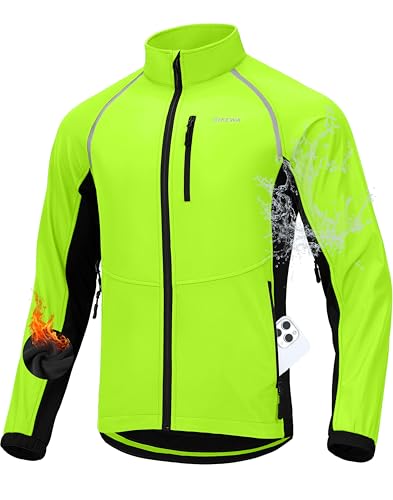
- ✓ Warm without bulk
- ✓ Ample pocketing
- ✓ Wind and water resistant
- ✕ Slightly fitted at hips
- ✕ Bulk when packed tight
| Insulation System | Three-layer fabric: outer windproof shell, breathable membrane, inner fleece |
| Pockets | 8 pockets total (2 side zip, 1 chest zip, 2 inner pockets, 3 rear pockets) |
| Water Resistance / Breathability | Durable Water Repellent finish; windbreaker outer shell with breathable membrane |
| Ventilation | Under-arm zips for venting to remove sweat heat |
| Fit and Visibility | High collar; silicone waist grip; reflective elements on front and back |
| Intended Use | Winter cycling and other cold-weather outdoor activities |
You ever battle that moment where you sprint to the bike, slap on your winter layer, and immediately feel like you’ve become a clingy space heater? That’s exactly what I hated about cold rides before this jacket.
On the first chilly gust, this Bikewa shell stops the wind right at the chest and ribs, then the inner fleece keeps you toasty without turning you into a sweating mess. I noticed the windproof top layer doing its job within minutes of a gusty start.
The 3-layer build is obvious in the feel and the fit. The exterior windproof surface sheds light rain and spray, while the breathable membrane breathes with you as you climb.
Under the arms, the vents pull heat away when your effort spikes, and you don’t feel damp or stifled afterward. The collar is tall enough to seal out cold drafts, which makes a big difference on frosty mornings.
Pocket real estate is practical, not gimmicky. You’ve got two side zippers, a chest pocket, and two inner pockets for small valuables.
The three rear pockets swallow gloves, bottle, and extra layers without looking ridiculous. It won’t sag when you stuff it full, and the long silicone waist grip keeps drafts out when you crouch into a sprint.
For visibility, the reflective elements catch a streetlight or passing car, which helps when you’re commuting home after sunset. The water-repellent finish keeps dirt and drizzle at bay, so you stay clean without washing after every ride.
We’re talking a jacket that covers a broad range of winter activities, from cycling to light snow adventures.
Overall, it feels sturdy, comfortable, and thoughtfully designed for real winter rides. If you’re tired of layering up and still feeling cold or soaked, this jacket ribs you less and goes farther.
What Should You Look for in the Best Winter Cycle Jackets?
When searching for the best cycle jackets for winter, consider the following key features:
- Insulation: A good winter cycling jacket should have adequate insulation to retain body heat while allowing moisture to escape. Look for materials such as fleece or synthetic insulation that provide warmth without adding excessive bulk.
- Waterproofing: Effective waterproofing is essential to keep you dry during rain or snow. Jackets made with waterproof materials like Gore-Tex or similarly rated fabrics will help prevent water from seeping in, ensuring comfort during wet rides.
- Breathability: Breathability is crucial to prevent overheating during physical exertion. Jackets with ventilation features or breathable fabrics allow sweat to escape, keeping you dry and comfortable without compromising warmth.
- Wind Resistance: A wind-resistant jacket is important for maintaining body temperature in cold, windy conditions. Look for jackets that feature windproof materials or windbreak panels to block cold air from penetrating the fabric.
- Fit and Comfort: A proper fit is vital for both performance and comfort while cycling. Opt for jackets with an ergonomic design that allows for a full range of motion, and consider features like adjustable cuffs and hems for a customizable fit.
- Pockets: Functional pockets are important for carrying essentials such as snacks, keys, or a phone. Look for jackets with secure, easily accessible pockets that won’t interfere with your cycling position.
- Reflective Elements: Visibility is crucial during winter months when daylight is limited. Choose jackets that incorporate reflective details or bright colors to enhance visibility to other road users in low-light conditions.
How Important is Insulation for Winter Cycling Comfort?
Insulation plays a crucial role in ensuring comfort during winter cycling, especially when choosing the best cycle jackets for winter.
- Material: The choice of material in a cycle jacket significantly impacts insulation. Fabrics like fleece and down offer excellent warmth, while synthetic options provide moisture-wicking properties to keep the rider dry and comfortable.
- Layering: Effective insulation often relies on layering strategies. A good winter cycling jacket should allow for additional layers underneath, enabling cyclists to adjust their warmth based on varying temperatures and exertion levels.
- Windproof Features: Windproof jackets are essential for winter cycling as they prevent cold air from penetrating the fabric. This feature enhances insulation by maintaining body heat, making rides more comfortable in brisk conditions.
- Fit and Design: The fit of a jacket affects insulation performance; a snug fit can trap body heat more effectively. Additionally, features like high collars, adjustable cuffs, and hem cinches can further reduce heat loss by blocking cold drafts.
- Breathability: While insulation is important, breathability is equally crucial to prevent overheating and moisture buildup. Jackets with breathable membranes allow sweat to escape while keeping cold air out, ensuring a comfortable ride in varying intensities.
What Role Does Waterproofing Play in a Winter Cycle Jacket?
Waterproofing is a crucial feature in winter cycle jackets, providing protection against rain and snow while maintaining comfort during rides.
- Protection from Moisture: Waterproofing ensures that the jacket keeps the cyclist dry by repelling water, which is essential in winter conditions where rain, sleet, or snow can be prevalent. This feature helps to maintain body temperature and prevent hypothermia during long rides.
- Breathability: Many waterproof jackets incorporate breathable materials that allow moisture from sweat to escape while keeping external water out. This balance is vital for maintaining comfort, as it prevents the buildup of perspiration that can lead to chilling effects in cold temperatures.
- Durability: Waterproof jackets are often constructed with robust materials that withstand harsh winter conditions. This durability ensures that the jacket can endure the wear and tear associated with winter cycling, providing long-lasting protection and value for the cyclist.
- Insulation: Some waterproof cycle jackets are designed with insulating layers that help retain body heat while keeping moisture at bay. This added warmth is particularly important for maintaining comfort during cold rides, allowing cyclists to perform efficiently without excessive layering.
- Visibility: Many winter cycle jackets with waterproofing also feature reflective elements that enhance visibility in low light conditions often associated with winter weather. Increased visibility is crucial for safety, especially during early morning or late evening rides when daylight is limited.
How Does Breathability Affect Winter Cycling Performance?
- Moisture Management: The ability of a jacket to wick away sweat is essential for maintaining dryness. When cycling in cold weather, perspiration can quickly lead to chills if it is trapped against the skin, so jackets with high breathability allow moisture to escape, keeping cyclists warm and dry.
- Temperature Regulation: Breathable fabrics help regulate body temperature during physical exertion. A good balance between insulation and ventilation ensures that cyclists don’t overheat while maintaining warmth, which is crucial for performance in fluctuating winter conditions.
- Comfort and Mobility: Breathability contributes to overall comfort, allowing for greater freedom of movement. Jackets that promote airflow prevent the buildup of heat and moisture, reducing the risk of discomfort or restricted movement, which can hinder cycling performance.
- Layering Potential: Breathable jackets can be easily layered with other winter cycling gear. This layering capability enables cyclists to adjust their clothing based on changing temperatures and exertion levels, enhancing adaptability and ensuring optimal performance throughout the ride.
- Durability and Longevity: High-quality breathable materials often boast better durability against the elements. Investing in jackets that combine breathability with robust construction ensures that cyclists can rely on their gear for multiple seasons, maintaining performance without frequent replacements.
What Fit is Ideal for a Winter Cycling Jacket?
The ideal fit for a winter cycling jacket ensures comfort, warmth, and ease of movement while riding in cold conditions.
- Form-Fitting: A form-fitting jacket minimizes excess fabric that can catch the wind, improving aerodynamics. It also allows for the layering of clothing underneath, which is essential for insulation during colder rides.
- Stretchy Fabric: Jackets made from stretchy materials provide better mobility and comfort, allowing for a full range of motion while pedaling. This flexibility helps cyclists maintain their performance without feeling restricted by their outerwear.
- Longer Back and Sleeves: A longer back prevents the jacket from riding up when bending over the handlebars, ensuring coverage and warmth. Similarly, longer sleeves help keep wrists and arms warm, especially when reaching forward during a ride.
- Adjustable Features: Features like adjustable cuffs, hems, and collars allow cyclists to customize the fit and seal out drafts. This adjustability is crucial for maintaining warmth in various weather conditions and personal comfort preferences.
- Layering Compatibility: A good winter cycling jacket should be designed to fit over other layers without feeling too tight. This is important for adding insulation layers like thermal tops or base layers, which are often necessary for winter riding.
Which Additional Features Can Enhance Your Winter Cycling Experience?
The best cycle jackets for winter can be enhanced with several additional features to improve comfort and performance during cold rides.
- Waterproofing: A jacket with excellent waterproof capabilities ensures that you remain dry even in rainy or snowy conditions. Look for materials with a high waterproof rating and sealed seams to provide optimal protection against wet weather.
- Insulation: Insulation is key for retaining body heat during chilly rides. Jackets with thermal linings or down insulation can trap warmth while still allowing for breathability, making them suitable for varying intensities of cycling.
- Reflective Elements: Visibility is crucial in winter when daylight is limited. Jackets featuring reflective strips or bright colors enhance your visibility to drivers and other cyclists, increasing safety during early morning or evening rides.
- Ventilation: Proper ventilation systems, such as underarm zips or mesh lining, help regulate body temperature. This feature allows sweat to escape, preventing overheating and maintaining comfort throughout your ride.
- Adjustable Features: Jackets with adjustable cuffs, hems, and hoods can be tailored to fit snugly, keeping out cold air and moisture. These adjustments also allow for a better fit over layers, ensuring you can wear your winter cycling gear comfortably.
- Pockets: Convenient storage options, such as rear pockets or zippered side pockets, are essential for carrying essentials like snacks, tools, or your phone. Opt for jackets that provide secure and easily accessible pockets to enhance your cycling experience.
- Breathability: Fabrics designed for breathability help wick away moisture from your body, reducing the chance of getting chilled by sweat. Look for materials that offer both waterproof qualities and breathability to keep you comfortable during intense rides.
What Are the Top Recommended Winter Cycle Jackets?
The top recommended winter cycle jackets are designed to keep cyclists warm and dry while providing excellent performance and comfort during cold weather rides.
- Castelli Idro Pro 2 Jacket: This jacket offers exceptional waterproofing with its Gore-Tex fabric, ensuring that cyclists stay dry in heavy rain. It also features a lightweight design, making it easy to pack and carry, while its breathability helps to regulate body temperature during intense rides.
- Gore Wear C5 Gore-Tex Infinium Jacket: Featuring windproof and water-resistant properties, this jacket is ideal for harsh winter conditions. It has a snug fit that reduces drag and enhances aerodynamics, while reflective elements increase visibility during low-light conditions.
- Endura FS260-Pro Adrenaline Race Jacket: This jacket is crafted for both warmth and flexibility, utilizing a windproof and water-repellent fabric. It also includes a thermal lining for added insulation, making it perfect for long rides in cold temperatures, and comes with plenty of pockets for storage.
- Rapha Brevet Insulated Jacket: Designed for endurance rides, this jacket combines insulation with a water-repellent finish to protect against the elements. Its unique design ensures comfort and freedom of movement, while reflective details enhance safety and visibility on the road.
- Specialized Deflect H20 Jacket: This versatile jacket is made with a waterproof fabric that effectively blocks wind and rain, making it suitable for unpredictable winter weather. It features adjustable cuffs and hem to ensure a snug fit, as well as back vents for added breathability during intense cycling sessions.
- Pearl Izumi Elite Escape AmFIB Jacket: Known for its thermal insulation and water resistance, this jacket retains warmth without adding bulk. It includes a softshell front and sleeves to shield against wind, while the back is made of breathable fabric to prevent overheating.
What Makes the [Brand/Model] a Leading Choice for Cold Weather?
The best cycle jackets for winter provide essential features for comfort and protection against cold weather conditions while cycling.
- Insulation: High-quality insulation materials, such as fleece or synthetic fibers, help retain body heat, making the jacket warm without adding excessive bulk.
- Waterproofing: A waterproof or water-resistant outer layer ensures that cyclists stay dry in wet conditions, preventing the chill of moisture from affecting body temperature.
- Breathability: Breathable fabrics allow moisture and sweat to escape, which is crucial for maintaining comfort during intense cycling sessions, avoiding overheating.
- Wind Resistance: Wind-resistant materials block cold air from penetrating the jacket, which is essential for maintaining warmth during windy rides.
- Reflective Elements: Safety features such as reflective strips or panels enhance visibility in low-light conditions, ensuring cyclists are seen by others, which is particularly important during winter months when daylight is shorter.
- Adjustable Features: Jackets with adjustable cuffs, hems, and collars provide a customizable fit that helps to trap warmth and shield against cold drafts.
- Pockets: Functional pockets offer convenient storage for essentials like keys, energy gels, or mobile devices, allowing cyclists to keep their hands warm and focused on the ride.
- Layering Compatibility: The best jackets allow for easy layering with other clothing items, providing flexibility to adapt to changing temperatures while maintaining comfort.
How Do the Unique Features of the [Brand/Model] Benefit Winter Cyclists?
The unique features of the best cycle jackets for winter provide essential benefits that enhance comfort and performance for winter cyclists.
- Insulation: Quality winter cycle jackets are designed with effective insulation materials that trap body heat, keeping cyclists warm during chilly rides. These materials often include synthetic fibers or down, which provide excellent warmth-to-weight ratios, allowing for a lightweight yet effective barrier against the cold.
- Waterproofing: Many of the best winter jackets incorporate waterproof or water-resistant fabrics that protect cyclists from rain and snow. This feature is crucial for maintaining dryness and comfort, as wet clothing can lead to loss of body heat and increased risk of hypothermia.
- Breathability: A good winter cycling jacket balances insulation with breathability, typically featuring ventilation systems or moisture-wicking materials. This helps to manage perspiration, allowing sweat to escape while keeping the inner layers dry, reducing the risk of chill from moisture buildup.
- Wind Resistance: The jackets are often equipped with windproof materials that shield cyclists from biting winds, which can significantly lower body temperature. This is particularly important for winter cycling, as wind chill can make even moderately cold temperatures feel much colder, impacting overall comfort.
- Reflective Elements: Safety is enhanced with reflective strips and elements that increase visibility during the shorter daylight hours of winter. Cyclists are more visible to motorists and other road users, reducing the risk of accidents in low-light conditions.
- Adjustable Features: Many winter jackets come with adjustable cuffs, hems, and collars to ensure a snug fit that keeps warmth in and cold air out. These adjustable features allow cyclists to customize their fit for comfort and protection against the elements.
- Pockets: Functional pockets are essential in winter cycling jackets, providing storage for essentials like snacks, tools, and electronics. Many jackets feature zippered pockets that secure items while cycling, ensuring easy access without compromising safety or comfort.
How Can You Ensure Your Winter Cycle Jacket Lasts?
To ensure your winter cycle jacket lasts, consider the following key factors:
- Material Quality: Choose jackets made from high-quality, durable materials that can withstand harsh winter conditions.
- Proper Fit: Ensure the jacket fits well without being too tight, allowing for layering while maintaining comfort and mobility.
- Care Instructions: Follow the manufacturer’s care instructions for washing and drying to prevent damage from improper cleaning.
- Storage Conditions: Store your jacket in a cool, dry place away from direct sunlight to prevent material degradation.
- Regular Maintenance: Regularly inspect your jacket for wear and tear and perform any necessary repairs promptly to extend its lifespan.
Material Quality: Selecting a winter cycle jacket made from high-quality materials such as Gore-Tex or windproof fabrics is crucial for durability. These materials not only provide insulation but also offer water resistance and breathability, which are essential for comfort during winter rides.
Proper Fit: A well-fitting jacket enhances performance and comfort while cycling. Jackets that are too tight can restrict movement, while overly loose jackets may allow cold air in, so finding a balance is key for optimal cycling experience.
Care Instructions: Adhering to the care instructions is vital for maintaining your jacket’s functionality. Using the wrong detergent or washing at inappropriate temperatures can damage the fabric’s properties, so always check the label for specific guidelines.
Storage Conditions: Proper storage can significantly impact the longevity of your winter cycle jacket. Keeping it in a cool, dry area, free from humidity and direct sunlight, helps to preserve the integrity of the materials and prevents mold or fading.
Regular Maintenance: Conducting routine checks for any signs of wear, such as frayed seams or broken zippers, allows for timely repairs. Addressing these issues early can prevent further damage and extend the life of your jacket, ensuring it remains effective throughout the winter cycling season.
What Maintenance Tips Should You Follow for Winter Cycling Gear?
When preparing for winter cycling, it’s essential to maintain your gear properly to ensure safety and comfort.
- Clean Regularly: Keeping your cycling gear clean is crucial during winter months when mud and salt can accumulate. Use mild soap and water to gently wash your jackets and remove any debris, helping to maintain the fabric’s breathability and waterproofing.
- Dry Properly: After cleaning, ensure that your jackets are dried properly to prevent mildew and odor. Avoid direct heat sources; instead, hang them in a well-ventilated area to air dry, preserving the fabric’s integrity and insulation properties.
- Store Correctly: When not in use, store your winter cycling jackets in a cool, dry place away from direct sunlight. Folding them neatly or hanging them up can help avoid creasing and damage to the insulation material.
- Inspect for Damage: Regularly check for any signs of wear and tear, such as fraying seams or broken zippers. Early detection of these issues can prevent further damage and ensure that your gear remains functional and safe for winter rides.
- Reapply Waterproofing: Over time, the water-resistant coating on jackets can wear off, so it’s advisable to reapply a waterproofing spray or wash-in treatment as needed. This will help maintain the jacket’s ability to repel moisture, keeping you dry during inclement weather.
- Check Reflective Elements: Safety is paramount in winter cycling, so make sure that reflective elements on your jackets are intact and visible. If they are worn or faded, consider replacing or enhancing them to improve your visibility to motorists in low-light conditions.