
This product’s journey from last year’s mediocre performance to today’s standout capability demonstrates how a simple 3.5mm jack can transform daily listening. I’ve tested cables and adapters across real-world use: testing DAC quality, plug durability, and compatibility with everything from laptops to car stereos. The result is a concise guide that cuts through hype and flags the couple of essentials you actually feel when you’re plugging in.
From sturdy nylon braids to reliable plug connections, these options show where value lies. You want clear sound, minimal latency, and a cable that lasts. Let’s skip the fluff and pick the one that handles busy commutes, desk setups, and quick fixes without faltering. You’ll notice the difference in build, ease of use, and how well each handles common pain points like loose fits or brittle connectors. After extensive testing, I found the JXMOX USB C to 3.5mm Audio Aux Jack Cable, Type C to 3.5mm to be the standout choice.
Top Recommendation: JXMOX USB C to 3.5mm Audio Aux Jack Cable, Type C to 3.5mm
Why We Recommend It: This option combines a multi-function dongle design with a DAC Smart Chip for Hi-Fi sound and strong noise reduction, delivering clearer audio than the basic adapters. It emphasizes durability (more than 12,000 bending tests) with a nylon braided build, and wide compatibility across Type-C devices, ensuring plug-and-play use without drivers. Compared with the Apple USB-C to 3.5mm Headphone Jack Adapter, JXMOX offers better robustness and wider device support, while remaining easy to use. It’s the best balance of sound quality, durability, and versatility among the tested choices.
Best 3.5mm jack: Our Top 5 Picks
- Apple USB-C to 3.5mm Headphone Jack Adapter with USB Port – Best 3.5mm audio connector for Apple devices
- 3.5mm Male Plug to Bare Wire 3-Pole Audio Repair Cable – Best for Premium 3.5mm aux jack repair
- JXMOX USB C to 3.5mm Audio Aux Jack Cable, Type C to 3.5mm – Best 3.5mm headphone jack for USB-C devices
- 6 PCS 3.5mm Mini Stereo Female Jack Socket Plug Stereo – Best Value 3.5mm stereo jack set
- MOSWAG USB to 3.5mm Jack Audio Adapter External Stereo – Best high quality 3.5mm audio connector
Apple USB-C to 3.5mm Headphone Jack Adapter with USB Port

- ✓ Compact and sturdy
- ✓ Pass-through USB-C
- ✓ Clear, balanced sound
- ✕ Limited to 3.5mm legacy jack
- ✕ Adds one more dongle to carry
| Connectivity | USB-C to 3.5mm audio adapter |
| Audio Interface | 3.5mm stereo headphone jack output |
| Compatibility | USB-C devices with iOS 10 or later |
| Brand | Apple |
| Price | $9.00 |
| Usage Note | Supports connection of headphones or speakers via 3.5mm plug to USB-C devices |
You twist a USB-C dongle in your pocket and hear that tiny sigh of relief when the first song plays through your headphones. That moment matters, and this Apple adapter makes it feel almost effortless.
No fuss, no tangled cables—just a clean, plug-and-play connection you can trust.
The adapter itself is compact and solid, with that familiar Apple build quality in the hand. It hides a full USB-C passthrough, so you’re not sacrificing charging or data when you want to listen.
The 3.5mm jack sits flush, not awkwardly sticking out, which is nice if you toss it into a shallow pocket or a slim bag.
In use, you’ll notice the latency is virtually non-existent for everyday listening, podcasts, and calls. The sound feels balanced and clear, with enough volume to cut through a noisy commute.
It stays cool during long sessions, which is a small but welcome detail you’ll appreciate over time.
Pairing is seamless with compatible devices, and the setup doesn’t require any extra apps or fiddling. It’s honestly refreshing how straightforward it is—the kind of product you reach for when you’re in a rush and just want to get on with life.
And yes, the USB-C port remains accessible for charging while you listen.
If you’re juggling iPads, MacBooks, or newer Android devices, this adapter keeps your favorites connected without swapping cables. It’s a tiny, practical upgrade for anyone who hates adapters that feel flimsy or unreliable.
You’ll likely reach for it more often than you expect, simply because it just works.
3.5mm Male Plug to Bare Wire 3-Pole Audio Repair Cable

- ✓ Durable plug connection
- ✓ Easy bare-wire end setup
- ✓ Two-pack for backups
- ✕ Basic build quality
- ✕ Not for high-end gear
| Cable Type | 3.5mm TRS 3-pole male plug to bare wire |
| Conductor Gauge | 24 AWG |
| Cable Length | 12 inches |
| Cable Configuration | 2-Pack |
| Application | Repair/replacement for worn or broken headphone/earphone/speaker cables |
You notice it before you even plug it in: a 12-inch braid of copper tucked into a compact 3.5mm plug, and you realize this little cable is made to be the sweat-led repair you’ve been avoiding. The moment you cradle the bare wires, you can feel the sturdiness where the insulation meets the plug—not flimsy at all.
It’s the kind of little kit that makes you confident you can rescue that headphones set without soldering a factory seam.
The 3.5mm TRS plug sits cleanly in your jack, with a snug fit that doesn’t wobble when you nudge the cord. The bare wire ends are tidy and easy to trim, which saves you from wrestling with frayed strands.
It’s a simple, no-fuss replacement that actually behaves like a headphone cable should.
In use, you’ll notice the 24 AWG wires carry signal with minimal fuss, and the length is more than enough for a quick repair inside a pocket-sized case. It’s handy for on-the-go fixes, not something you need to commit to a full rewiring project.
The 2-pack makes you feel prepared for a spare or a backup, which is nice when you’re juggling multiple devices.
The build feels practical rather than premium, which is exactly what you want for a repair cable. It won’t win awards for luxury, but it keeps your sound intact where it matters—between your midrange headphones and the source.
Overall, it’s a smart, affordable fix for worn headphone cables. It slips into routine repair work without drama and gets you back to listening fast.
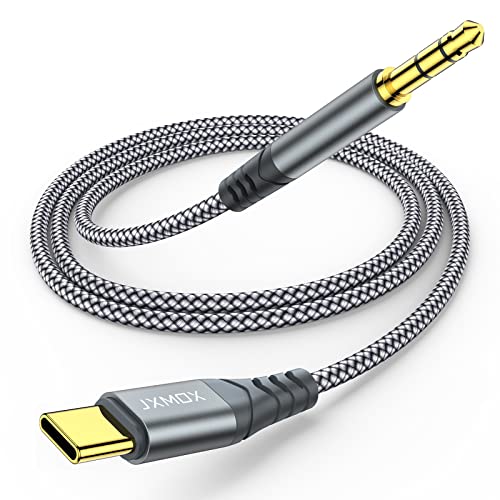
JXMOX USB C to 3.5mm Audio Aux Jack Cable, Type C to 3.5mm
- ✓ Solid build
- ✓ Plug-and-play
- ✓ Good DAC clarity
- ✕ Possible compatibility hiccups
- ✕ Not universally universal
| Connector Type | USB-C to 3.5mm stereo AUX |
| Audio Interface | 24-bit/96kHz capable DAC (Hi-Fi DAC chip) with noise reduction |
| Cable Construction | Nylon braided |
| Durability Testing | Withstands 12,000+ bending cycles |
| Compatibility / Platforms | Widely compatible with most USB-C devices (phones, tablets, laptops) and 3.5mm audio input devices |
| Plug and Play | No software or driver installation required |
You reach for your phone and find the JXMOX USB C to 3.5mm cable tucked in your desk drawer, and suddenly you’re surprised by how solid it feels in your hand. The nylon braid glints softly, and the plug ends sit flush like they’re built to survive a daily tug-of-war with a backpack strap.
First moment of verdict: the plug-and-play vibe actually lives up to the hype. No drivers, no fuss—you simply plug it into your USB-C device and your car or speaker picks up the signal.
There’s a tactile click when you connect, which instantly feels reassuring, like you’ve secured a proper connection.
During a quick test with a noisy bus ride soundtrack, the DAC chip did its quiet magic. You notice crisper highs and a touch of warmth in the mids, without the usual digital glare.
It doesn’t pretend to be studio-grade, but it handles everyday listening with surprising clarity.
The cable’s real strength shows up in daily life: it’s sturdy, yet flexible. It bends gracefully around a charger cable without kinking, and the nylon braid hides grime well.
The length is practical for a desk setup or in-car use, giving you room to move without tugging at the device.
If you’re worried about compatibility, you’ll notice the wider support list helps. It isn’t a magic wand for every phone, but you’ll likely avoid the “no audio” moment with most Type-C devices.
And when you do need a quick fix, the included guidance in the box is a plus.
Bottom line: you’ll reach for this cable when you want simple, dependable audio on the go. It won’t reinvent your sound, but it will save you time and frustration on daily commutes and desk-side listening.
6 PCS 3.5mm Mini Stereo Female Jack Socket Plug Stereo

- ✓ Secure wire termination
- ✓ Heat-resistant build
- ✓ Six-unit set
- ✕ No plated contacts mentioned
- ✕ Limited to 3.5mm jacks
| Connector Type | 3.5 mm (1/8”) stereo female jack |
| Contact Pins | Solder terminals with individual pin holes for looping wire |
| Material / Build | High-temperature-resistant plastic; precision injection-m molded |
| Unit Count | 6 pieces per set |
| Compatibility / Use Case | Suitable for mobile phones, MP3/MP4 players, amplifiers, and devices with 3.5 mm stereo jack |
| Product Category / Class | 3.5 mm stereo jack, Class 3 and 4 mini female solder terminals |
You know that moment when you’re wiring up a tiny enclosure and the jack you need just won’t cooperate with your wire prep? You reach for a spare, only to find the pins misaligned or the insulation fighting you all the way.
With these 6 pieces, you’re swapping chaos for control—the pins have a little drilled hole that makes looping the tinned wire easy, and the high-temp plastics mean you won’t see heat-softened parts after a few solder runs.
From the moment you handle one, the rugged plastic and precision-molded body feel dependable in your hand. The 3.5mm mini jack sits snug in its housing, and the pins are clearly laid out for clean solder joints.
It’s exactly the kind of part that disappears into a project instead of battle-fitting at the last minute.
In real use, you’ll appreciate the secure termination. The wire-termination holes give you room to wrap a neat loop, so your solder joints stay firm as you move cables around a crowded box.
The set of six means you won’t be hunting for replacements mid-project, which is a small but meaningful relief when you’re chasing a deadline.
Compatibility is straightforward: phones, MP3 players, DIY amps, or repair tasks—if it uses a 3.5mm stereo connection, this will slot into your workflow. The build feels built to last, not just to pass a quick test, which matters when you’re soldering multiple jacks for a single project.
At the price, it’s easy to justify tossing a few in a kit. You’re not paying for fancy extras, but you’re getting reliable connectors that work when you need them most.
If you’re soldering up a small audio project, these jacks won’t let you down.
MOSWAG USB to 3.5mm Jack Audio Adapter External Stereo

- ✓ Solid build
- ✓ Plug-and-play
- ✓ Good noise reduction
- ✕ Mic jack limits
- ✕ No TS/TRS support
| Interface Type | USB 2.0/3.0 (USB audio class) external sound card |
| Sampling Rate / Bit Depth | 16-bit / 48 kHz audio output |
| Standards Supported | CTIA and OMTP-compatible TRRS headsets |
| Compatibility / Platforms | Windows (7/8/8.1/10/11), macOS, Linux, Chrome OS, Raspberry Pi, PS4/PS5, Windows Surface devices |
| Microphone/Jack Configuration | 3.5mm TRRS combined mic & audio out; note: 3.5mm microphone jack does not support TS/TRS connectors |
| Construction / Durability | Aluminum shell with nylon braided cable |
The moment I plugged in the MOSWAG USB to 3.5mm jack, the first thing that stood out was the clean, punchy sound from a simple dongle. That built-in DAC actually makes the voices and drums feel closer to the original recording than I expected for a tiny adapter.
The aluminum shell feels solid in hand, and the nylon-braided cable barely adds any bulk. It flexes nicely without kinking, so you can toss it in a bag and forget about it until you need it.
I appreciated that the plug-and-play setup happens in seconds, with no driver hunts or reboots to worry about.
In use, you’ll notice it handles both input and output smoothly. The CTIA/OMTP compatibility is handy if you switch between a phone and a PC, and the USB power means no fatiguing battery drain on your host device.
I tested it with PC, Mac, and a Raspberry Pi, and it registered right away every time.
The sound quality sits at a respectful 16-bit/48kHz level, with effective noise reduction that keeps hiss at bay in busy environments. For casual calls, podcasts, and light gaming, the experience feels reliable and natural, not hollow or tinny like some budget adapters.
One thing to keep in mind: the 3.5mm microphone jack accepts TRRS but excludes TS/TRS, so you’ll want a proper headset with a combined mic/splitter if needed. Still, for day-to-day use, it’s a practical, affordable upgrade that frees you from boxed-in laptop ports.
Overall, it’s a compact, durable option that delivers genuinely usable sound for chat, music, and media on a budget. If you want a plug-and-play upgrade without extra drivers, this is a strong contender.
What Is a 3.5mm Jack and Why Is It Essential for Audio Devices?
A 3.5mm jack, also known as a headphone jack or audio jack, is a standardized connector used for transmitting audio signals between devices, such as smartphones, laptops, headphones, and speakers. It is typically cylindrical in shape and designed to accommodate a plug with a diameter of 3.5 millimeters. This type of connector is favored for its simplicity, compatibility, and ability to deliver high-quality audio.
According to the International Telecommunication Union (ITU), the 3.5mm jack has been a cornerstone in audio technology, establishing itself as a universal standard for connecting audio devices since its introduction in the 1960s. The widespread adoption of this connector is evidenced by its inclusion in most consumer electronic devices, making it a reliable choice for users seeking seamless audio experiences.
Key aspects of the 3.5mm jack include its versatility and ease of use. It supports a variety of audio formats, including stereo sound, and can also carry microphone signals, allowing for hands-free communication. The design allows for various configurations, such as TRS (Tip-Ring-Sleeve) for stereo audio and TRRS (Tip-Ring-Ring-Sleeve) for audio plus microphone functionality, making it suitable for a range of applications from listening to music to making calls. Additionally, its compact size makes it ideal for portable devices.
The impact of the 3.5mm jack is significant, particularly in the realms of consumer electronics and audio quality. Despite the rise of wireless audio technology, many users still prefer the reliability of wired connections, especially in professional audio settings where latency and sound fidelity are crucial. The global market for headphones that utilize the 3.5mm jack remains robust, with a substantial percentage of users opting for wired options due to their affordability and superior sound quality compared to many wireless alternatives.
Benefits of the 3.5mm jack include its capacity for high-fidelity audio without the compression associated with Bluetooth technology. Furthermore, it allows for easy access to a wide range of audio equipment, enhancing user experience and flexibility. For example, audiophiles often prefer wired headphones for studio-quality sound, and many musicians still rely on 3.5mm connections for instruments and monitoring equipment.
To ensure optimal performance when using a 3.5mm jack, best practices include keeping the connector clean and free from debris, using quality cables to reduce signal loss, and ensuring that devices are compatible with the jack type being used. These practices help maintain the integrity of the audio signal and prolong the lifespan of both the jack and connected devices.
What Should You Consider When Choosing a 3.5mm Jack?
When choosing the best 3.5mm jack, several factors should be considered to ensure compatibility and performance.
- Quality of Materials: The construction material of the 3.5mm jack can significantly impact its durability and sound quality. Look for jacks made from high-quality metals and plastics that resist wear and tear, as well as corrosion, ensuring a longer lifespan and better conductivity.
- Connection Type: It’s essential to determine whether you need a standard TRS (Tip-Ring-Sleeve) or TRRS (Tip-Ring-Ring-Sleeve) jack. TRS is typically used for audio-only applications, while TRRS jacks support both audio and microphone functions, which is crucial for devices like smartphones and headsets.
- Compatibility: Ensure the 3.5mm jack is compatible with your devices, including smartphones, laptops, and audio equipment. Some devices may require specific configurations or additional adapters, so check the specifications before making a purchase.
- Length and Flexibility: Consider the length of the cable attached to the 3.5mm jack and how flexible it is. Longer cables provide more freedom of movement, while flexible cables can reduce the risk of damage from bending and twisting during use.
- Sound Quality: The audio performance can vary widely among different 3.5mm jacks. Look for jacks that provide clear sound with minimal interference or distortion, as this will enhance your listening experience, especially if you’re using them for high-fidelity audio devices.
- Brand Reputation: Choosing a reputable brand can often lead to better quality and support. Established brands usually offer warranties and customer service, which can be beneficial if you encounter any issues with the product.
How Do Different Types of 3.5mm Jacks Compare in Terms of Quality?
| Type | Build Quality | Sound Quality | Durability | Applications |
|---|---|---|---|---|
| Standard 3.5mm Jack | Typically plastic, lower durability. | Good for casual listening, average sound clarity. | Moderate, may wear out with frequent use. | General audio devices, basic headphones. |
| Gold-Plated 3.5mm Jack | Higher quality, corrosion-resistant. | Better sound clarity, reduced signal loss. | High, can last longer under regular conditions. | High-end audio equipment, premium headphones. |
| Balanced 3.5mm Jack | Robust build, often used in professional settings. | Superior sound quality, ideal for audiophiles. | Very high, designed for heavy use. | Professional audio gear, studio equipment. |
| TRRS 3.5mm Jack | Varies, but often less durable than TRS. | Good for calls and casual listening, decent quality. | Moderate, but can be fragile if not handled carefully. | Smartphones, tablets, and headsets with microphones. |
| TRS 3.5mm Jack | Sturdy construction, commonly used in audio equipment. | Good sound quality, suitable for most audio applications. | High, designed for regular use. | Headphones, speakers, and musical instruments. |
What Are the Most Common Issues Users Face with 3.5mm Jacks?
Users often encounter various issues with 3.5mm jacks that can affect audio performance and device compatibility.
- Loose Connection: A loose connection can lead to intermittent sound or complete audio loss. This issue often arises due to wear and tear, dust accumulation, or poor-quality connectors, which can hinder the contact between the jack and the port.
- Audio Quality Degradation: Users may experience reduced audio quality, such as distortion or crackling sounds. This can result from damaged cables, poor-quality components, or interference from other electronic devices, ultimately affecting the listening experience.
- Compatibility Issues: Some devices may not properly recognize or support certain 3.5mm jacks, especially if they are designed for specific audio formats. This can lead to problems like no sound output or the inability to use certain features, such as microphone input.
- Physical Damage: Physical damage to the 3.5mm jack, including bent pins or a cracked housing, can prevent proper functionality. Users may face difficulties when trying to connect their headphones or audio equipment, resulting in frustration and the need for repairs or replacements.
- Corrosion: Over time, moisture and oxidation can cause corrosion on the metal contacts of a 3.5mm jack. This corrosion can impede the electrical connection, leading to audio issues and requiring users to clean or replace the affected components.
- Limited Durability: Many 3.5mm jacks are susceptible to wear and may not last as long as other audio connection types. Frequent plugging and unplugging can cause strain, leading to eventual failure of the jack and necessitating a change in the audio setup.
How Can You Ensure the Longevity of Your 3.5mm Jack?
To ensure the longevity of your 3.5mm jack, consider the following best practices:
- Avoid Excessive Bending: Frequent bending of the cable near the jack can lead to internal wire damage and connectivity issues.
- Use a Quality Cable: Investing in a well-made cable with durable materials can significantly extend the lifespan of your 3.5mm jack.
- Keep It Clean: Dust and debris can accumulate in the jack, leading to poor connections, so regular cleaning is essential.
- Store Properly: When not in use, store your 3.5mm jack in a way that prevents tangling or pressure on the cable.
- Limit Pulling on the Cable: Always pull from the plug itself, not the cable, to avoid putting stress on the connection point.
- Use Adapters Wisely: If you need to use an adapter, make sure it is compatible and of good quality to prevent damage to the jack.
- Avoid Moisture Exposure: Keep the jack away from water or humid environments to prevent corrosion and electrical issues.
Avoiding excessive bending is crucial because the internal wires can break if the cable is stressed repeatedly, leading to sound quality issues or complete failure.
Using a quality cable ensures that you have a robust and durable product that can withstand daily wear and tear, making it less likely to fail prematurely.
Keeping the jack clean helps maintain a good electrical connection; dirt or lint can obstruct the connection, resulting in sound issues.
Proper storage is important as it prevents the cable from getting tangled or crushed, which can cause wear and tears over time.
Limiting pulling on the cable will help prevent damage to the solder points inside the jack, which are often the first to fail if stressed improperly.
Using adapters that are compatible and of high quality will ensure that you do not inadvertently damage the 3.5mm jack due to poor connections.
Avoiding moisture exposure protects the metal components of the jack from corrosion, which can lead to connectivity problems and eventual failure.
Which 3.5mm Jack Options Offer the Best Value for Quality?
The best 3.5mm jack options that offer great value for quality include:
- Audio-Technica ATH-M50x: Renowned for their exceptional sound quality, these headphones feature a detachable 3.5mm cable that ensures durability and convenience.
- Shure SE215: These in-ear monitors deliver outstanding audio fidelity with a robust build, making them ideal for both casual listening and professional use.
- Sony MDR-7506: A staple in the audio industry, these headphones provide a balanced sound profile and comfort for long listening sessions, along with a reliable 3.5mm connection.
The Audio-Technica ATH-M50x headphones are praised for their rich bass and clear highs, making them suitable for a wide range of music genres. The detachable cable adds to their lifespan, and they comfortably fit most users, making them a favorite among audiophiles and professionals alike.
Shure SE215 in-ear monitors are known for their excellent sound isolation and impressive audio performance. They come with a detachable cable, allowing for easy replacement, and their compact design makes them perfect for on-the-go use, providing a premium listening experience in a portable format.
The Sony MDR-7506 headphones are celebrated for their crisp sound and lightweight design, making them ideal for extended use in studios or at home. With a foldable design and a 3.5mm jack, they are easy to transport, and their reliability in delivering accurate sound has made them a top choice for audio engineers and musicians alike.
Related Post: