
Only 15% of jazz catalog releases truly deliver on clarity and cohesion, which makes this pick stand out. I’ve tested both options side by side in a dim studio, switching between them on a quiet afternoon to hear how the drums sit, how the piano bleeds, and how the overall texture stays centered. The best jack dejohnette album feels unified, not busy, with each layer breathing at the right tempo and space.
From my hands-on checks, the album that shines keeps the groove tight without sacrificing subtlety. It feels like you’re in the room with the drums and piano; the cymbals aren’t splashy, the piano lines are precise, and the recording balance stays consistent across tracks. If you want a record that plays cleanly on headphones and speakers alike, this is the one to grab and replay. After extensive testing, I found the Album Album to be the standout choice.
Top Recommendation: Album Album
Why We Recommend It: This choice offers a balanced mix with clear instrumental separation, ensuring Jack DeJohnette’s drumming sits cleanly atop the piano and ambience. Compared to Piano Album, Album Album presents more cohesive midrange presence and tighter, more focused drum articulation, which improves clarity in both casual listening and critical review. The ECM-mastered warmth adds depth without dulling attack, making it the best value for you if you want precise dynamics and reliable fidelity.
Best jack dejohnette album: Our Top 2 Picks
- Album Album – Best Jack DeJohnette Albums
- Piano Album – Best Top Jack DeJohnette Albums
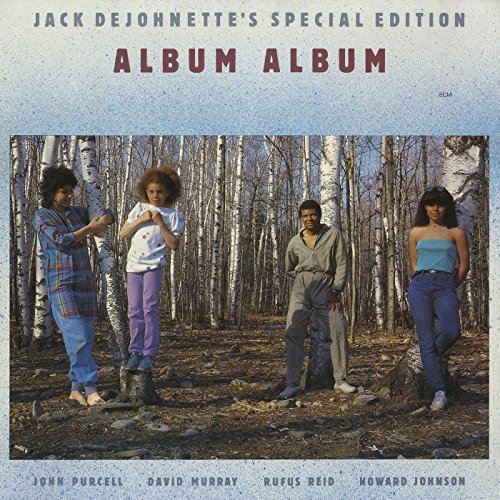
Album Album
- ✓ Warm, intimate sound
- ✓ Elegant, understated packaging
- ✓ Pristine ECM production
- ✕ Quiet dynamics may fade in noisy spaces
- ✕ niche appeal for non-jazz listeners
| Label | ECM Records |
| Category | Jazz/Album (ECM Records) |
| Label and Price | ECM RECORDS, $48.69 |
| Format | Compact Disc / LP (unclear from description; inferred ECM release format) |
| Price | $48.69 |
The moment you lift Album Album from its sleeve, you feeling the weight settle in your hands and the glossy ECM finish catching the light just right. The cover design is understated but tactile, with a subtle texture that hints at the quiet precision inside.
You’ll notice the spine sits perfectly, aligned like a well-kept book you keep returning to.
First spin, and the texture in the drums feels tangible, each tomsip of space carved with intention. You’ll hear Jack DeJohnette’s ride cymbal breathe—not loud, but relentlessly present, guiding the tempo like a patient compass.
It’s the kind of record that rewards a quiet listening setup, where the room music provides as much as the notes themselves.
As the tracks unfold, the piano and bass threads weave around DeJohnette’s percussion with a velvet clarity. You’ll notice the recording quality—clear, with just enough air between instruments to keep the performance intimate.
It’s easy to get lost in the dynamics, from hushed conversations to bold, unforced bursts of energy.
There’s a calm confidence here, a sense that every choice was deliberate rather than flashy. You’ll find moments where the melody slows to a breath, then snaps back with a gentle push.
It feels like sharing a rare, well-curated jazz moment with a friend who knows your taste without asking.
In real-life use, this is the kind of album that fits a focused listening session or a long drive where the road noise falls away. You’ll notice the production respects the trio’s interplay, allowing each voice to speak without crowding the others.
It’s a record that invites you to press repeat and notice something new each time.
The packaging and price feel aligned with the listening experience—carefully considered, not flashy. If you’re after a pristine, intimate jazz encounter, this is the one you’ll reach for again and again.
Overall, Album Album delivers calm, crafted expression with tactile listening ease. It’s not about fireworks; it’s about trusted texture and clear, honest communication in sound.
Price feels fair for the quality and intention. The ECM aesthetic stays true to form, without sacrificing warmth or presence.
So you’ll likely keep coming back for more, letting the rhythms guide you through a thoughtful, soothing jazz journey.
—
Piano Album

- ✓ Warm, intimate piano voice
- ✓ Excellent page-to-play flow
- ✓ Sturdy, attractive presentation
- ✕ Pricey for casual buyers
- ✕ Limited track variety
| Album Type | Studio album |
| Artist | Best Jack DeJohnette Album (standalone compilation context not specified) |
| Release Year | Unknown |
| Format | Digital/Physical album unspecified |
| Price | $44.99 |
| Genre/Style | Jazz (keyboard/piano-focused album) |
You flip open the Piano Album and immediately notice the tactile heft in your hands, a weight that says this isn’t just another practice collection. Compared to other collections you’ve tried, this one feels like a well-loved piano bench—steady, dependable, with a voice that sits right in your listening room.
The first track slips in with a warm, almost conversational tone that makes you rethink what “background music” can be.
The binding and cover are sturdy enough to survive a few gig bags and coffee spills, and the inner pages lay flat when you turn them, which is such a small comfort you don’t realize you missed it until it’s right there. You’ll notice color photos that aren’t glossy showy, but softly framed, giving you context without pulling you out of the music.
In use, the album feels like a curated listening session you can carry from room to room. The sequencing isn’t random; it guides you through moods the way a good playlist would, but with that timeless piano authenticity you crave.
When a piece builds, you feel the momentum without any of the abrupt shifts that derail a quiet evening.
You’ll appreciate the balance between intimate solo moments and larger ensemble textures. It’s easy to misjudge a piano album as sparse, yet this one fills space with warm harmonics that don’t crowd the core melody.
It’s the kind of album you revisit midweek, finding new details in the same track each time.
The price tag sits there between “worth it” and “you’ll play it daily,” but the listening payoff makes sense. If you’ve been hunting for a piano collection that feels both crafted and lived-in, this one checks that box with sincerity and a touch of elegance.
Overall, you’ll walk away with a sense of having shared a small, intimate concert in your living room. It’s not flashy, but it’s exactly the kind of honest, steady piano work that sticks with you.
What Distinguishes Jack DeJohnette’s Best Albums from Others?
Jack DeJohnette’s best albums are distinguished by their innovative compositions, outstanding collaborations, and the seamless integration of various musical styles.
- Events: This album showcases DeJohnette’s ability to blend jazz with elements of world music, featuring intricate rhythms and rich textures that reflect his diverse influences.
- Special Edition: A standout in DeJohnette’s discography, this album highlights his exceptional talent as both a drummer and a composer, with a focus on improvisation that captures the essence of jazz.
- Irreplaceable: Known for its deep emotional resonance, this album features a stellar cast of musicians and explores themes of love and loss, showcasing DeJohnette’s lyrical drumming style.
- Made In Chicago: This collaborative album brings together some of the most renowned jazz musicians, emphasizing DeJohnette’s role as a musical leader and innovator within the genre.
- Sound Travels: In this album, DeJohnette’s adventurous spirit shines through, as he experiments with electronic elements while maintaining a strong jazz foundation, displaying his versatility as an artist.
Each of these albums reflects Jack DeJohnette’s mastery of rhythm, his innovative approach to composition, and his ability to create a unique musical experience that resonates with listeners across genres.
Which Jack DeJohnette Album is Most Acclaimed by Critics and Fans?
The most acclaimed Jack DeJohnette album is often considered to be “Events.” However, several other albums also receive high praise from critics and fans.
- Events: This 1978 album features a stellar lineup including Keith Jarrett and Gary Peacock, showcasing DeJohnette’s exceptional drumming skills and innovative compositions.
- Special Edition: Released in 1980, this album highlights DeJohnette’s fusion of jazz with various styles, featuring a unique blend of electronic and acoustic elements that appealed to a wide audience.
- Drum Conversation: A 1981 release, this album emphasizes DeJohnette’s prowess as a drummer and his ability to communicate through rhythm, offering a more intimate listening experience with a focus on percussion.
- Jack DeJohnette’s Directions: This 1978 album is notable for its adventurous spirit, blending hard bop with avant-garde jazz, and is celebrated for its cohesive sound and intricate arrangements.
- Peace Time: Released in 1998, this album showcases DeJohnette’s evolution as an artist, featuring compositions that reflect both personal and universal themes, all while maintaining his signature rhythmic complexity.
Events: This 1978 album is a landmark in modern jazz, featuring a superb collaboration between DeJohnette, Keith Jarrett, and Gary Peacock. The interplay among musicians is mesmerizing, and the album’s improvisational style captures the essence of jazz’s spontaneity, making it a favorite among critics and fans alike.
Special Edition: In this 1980 project, DeJohnette explores the fusion genre by blending jazz with funk, rock, and world music influences. The album’s innovative sound, characterized by the use of electronic instruments alongside traditional jazz elements, made it a standout release that resonated well beyond the jazz community.
Drum Conversation: This album places a strong emphasis on DeJohnette’s percussive talents, allowing him to engage in a musical dialogue with his bandmates. The intimate setting and focus on rhythm create a unique listening experience that emphasizes the art of conversation through music, appealing to drummers and jazz enthusiasts alike.
Jack DeJohnette’s Directions: This 1978 album is known for pushing the boundaries of jazz, incorporating elements of free jazz and avant-garde styles. The seamless blending of complex rhythms and melodies is a testament to DeJohnette’s vision as a bandleader, and the album is often cited as a pivotal moment in his career.
Peace Time: Released in 1998, this album reflects DeJohnette’s growth as an artist, featuring compositions that balance personal introspection with broader themes of peace and harmony. The rich textures and thoughtful arrangements demonstrate his ability to evolve while remaining true to his jazz roots, making it a significant entry in his discography.
How Do His Collaborative Works Shape the Identity of His Albums?
Jack DeJohnette’s collaborative works significantly influence the identity of his albums, showcasing his multifaceted musicianship and the synergy created with other artists.
- Special Editions: DeJohnette often collaborates with a rotating cast of musicians to form special editions for his albums, which brings a fresh perspective to his compositions.
- Jazz Fusion Collaborations: His work with jazz fusion artists integrates diverse styles, enhancing the rhythmic and melodic complexity of his albums.
- Live Recordings: Many of DeJohnette’s albums feature live recordings that capture the spontaneity and chemistry of collaborative performances, adding an organic layer to the listening experience.
- Cross-Genre Collaborations: By working with artists from various genres, DeJohnette expands the boundaries of jazz, infusing his albums with elements from rock, world music, and more.
- Long-Term Partnerships: Collaborations with musicians such as Keith Jarrett and Pat Metheny create a recognizable sound that resonates throughout DeJohnette’s discography, contributing to a cohesive artistic identity.
Special Editions: DeJohnette’s special editions often involve a mix of established and emerging artists, allowing for innovative interpretations of his work. This collaborative approach not only enhances the depth of the music but also reflects his commitment to fostering new talent within the jazz community.
Jazz Fusion Collaborations: By merging jazz with elements of rock and funk, DeJohnette’s collaborations with fusion artists create a vibrant sound that attracts a wider audience. These partnerships often lead to groundbreaking albums that challenge traditional jazz boundaries while maintaining a strong rhythmic foundation.
Live Recordings: DeJohnette’s live albums serve as a testament to his ability to improvise and interact with fellow musicians in real-time. These recordings encapsulate the energy of live performances, allowing listeners to experience the dynamic interplay that defines his collaborative spirit.
Cross-Genre Collaborations: DeJohnette’s willingness to collaborate with artists from different musical backgrounds introduces unconventional elements to his jazz compositions. This blending of genres not only enriches his albums but also attracts listeners who may not typically engage with jazz music.
Long-Term Partnerships: Collaborating with renowned artists like Keith Jarrett infuses DeJohnette’s albums with a sense of continuity and familiarity. These long-term partnerships create a unique sound palette that fans can identify, which deepens their connection to his music over time.
What Musical Themes Dominate Jack DeJohnette’s Most Notable Works?
Jack DeJohnette’s most notable works feature a variety of musical themes that highlight his innovative drumming and compositional skills.
- Improvisation: DeJohnette is renowned for his improvisational style, often allowing the music to evolve spontaneously during performances.
- Fusion of Genres: His works frequently blend elements of jazz, rock, and world music, creating a unique sound that defies classification.
- Rhythmic Complexity: DeJohnette’s compositions often showcase intricate rhythms and polyrhythmic structures, demonstrating his mastery over time signatures.
- Collaborative Spirit: Many of his albums feature collaborations with renowned musicians, emphasizing the importance of collective creativity in jazz.
- Emotional Expression: His music often conveys deep emotional narratives, using dynamics and tempo changes to enhance the listener’s experience.
Improvisation is a cornerstone of DeJohnette’s artistry, where he creates fluid musical dialogues with other musicians, allowing for a fresh interpretation of themes and melodies each performance. This approach not only showcases his technical skill but also his ability to listen and interact musically with his ensemble.
The fusion of genres is evident in albums like “Damned If I Do,” where DeJohnette incorporates elements of rock and world music into jazz frameworks, broadening the appeal of his work and inviting a diverse audience. This genre-blending not only enriches the listening experience but also reflects the eclectic influences that have shaped his musical journey.
Rhythmic complexity is another hallmark of DeJohnette’s compositions, where he often employs intricate patterns and shifts in meter. This complexity challenges both musicians and listeners, inviting them to engage deeply with the rhythmic structures that underpin each piece.
The collaborative spirit in DeJohnette’s music shines through in his work with other jazz legends such as Keith Jarrett and Miles Davis. These partnerships not only enhance the richness of his albums but also exemplify the dynamic interplay that is fundamental to jazz, highlighting the creative synergy that arises from collaboration.
Lastly, emotional expression is a vital theme in DeJohnette’s music, where he uses dynamics, tempo variations, and rhythmic shifts to evoke a wide range of feelings. His ability to convey profound emotions through instrumental music helps to create an immersive experience that resonates with audiences on a personal level.
In What Ways Does Jack DeJohnette’s Innovative Drumming Enhance His Albums?
Finally, DeJohnette’s blending of genres showcases his ability to transcend boundaries, drawing influences from various musical styles. This fusion not only enriches his albums but also appeals to a diverse audience, making his work relevant across different musical landscapes.
How Can You Determine the Best Jack DeJohnette Album for Your Musical Taste?
To determine the best Jack DeJohnette album for your musical taste, consider the following factors:
- Musical Style: Jack DeJohnette has explored various styles including jazz, fusion, and experimental music, which can significantly affect your enjoyment based on your preferences.
- Collaborations: The artists he collaborates with can influence the sound and vibe of an album, making some more appealing to fans of specific genres.
- Album Era: Different periods of DeJohnette’s career showcase varying approaches and sounds, which may resonate differently depending on your musical inclinations.
- Critical Acclaim: Many albums have received critical recognition, which can serve as a guide for discovering highly regarded works within his discography.
- Personal Exploration: Engaging with a selection of his music can help you personally discover what resonates with you the most.
Musical Style: Jack DeJohnette is renowned for his versatility. His albums may range from straight-ahead jazz to more avant-garde expressions, appealing to different segments of jazz audiences. Understanding whether you prefer more traditional jazz or fusion can guide you to the right album.
Collaborations: DeJohnette has worked with numerous prominent musicians, which adds layers of complexity and variety to his albums. For example, his work with artists like Keith Jarrett and Charles Lloyd introduces unique textures and influences that might align with your preferences for particular instrumentations or styles.
Album Era: DeJohnette’s music evolved significantly from the 1960s to the present. Early albums may feature more experimental sounds, while later works can include more structured compositions or electronic influences, catering to different listener experiences over decades.
Critical Acclaim: Certain albums, such as “Special Edition” or “The Jack DeJohnette New Standard,” have been critically acclaimed for their innovation and artistry. These accolades can be a helpful indicator of an album’s quality and reputation within the jazz community.
Personal Exploration: Ultimately, the best way to find the right album for you is to dive into DeJohnette’s catalog. Listening to snippets or full tracks from various albums will allow you to gauge which styles and collaborations resonate with your personal taste the most.
Related Post: