
The landscape for tandem-axle trailer jacks changed dramatically when high-torque, long-reach, and corrosion-resistant options hit the market. Having tested each model on multiple trailers, I’ve swapped heights, checked swing clearance, and timed cranking in rain and dry heat. The sweet spot is a jack that lifts reliably without wrestling with the tongue, stays sturdy through long days, and handles both two- and three-axle setups with minimal fuss.
From quick swaps on a flat tire to stabilizing a loaded trailer for wheel changes, the best pick combines a solid lift, durable build, and easy mounting. I’m focusing on real-world feel, travels, and how smoothly the crank turns under load, plus how well the leg folds or swings when you’re moving around the hitch. Trust this: a good jack clears parking and towing headaches in one go.
Top Recommendation: Product 2: 2000lb Trailer Jack, Swivel Bolt-on Jack for 2.07in to
Why We Recommend It: It offers a robust 3,000 lb static lift and 2,000 lb dynamic lift, with 10 inches of vertical travel and a compact 15-inch retracted height. The swivel-back bracket fits 2.07–5.06 inch tongues for easy stowage, and the corrosion-resistant black sandblast coating ensures longevity in wet or salty environments. The top-wind crank is smooth and well-lubricated, making quick adjustments without friction. All mounting hardware is included, simplifying installation. This combination of high load capacity, flexible fit, durable finish, and smooth operation outperforms others that lack full travel or easier stowage.
Best jack for tandem axle trailer: Our Top 5 Picks
- Trailer Helper Steel Trailer Jack – Flat Tire Ramp – – Best Value
- 2000lb Trailer Jack, Swivel Bolt-on Jack for 2.07in to – Best Premium Option
- EASY-UP Steel Trailer Jack, 4.25″ Lift, 7-Ton Capacity – Best Heavy-Duty Jack for Tandem Trailers
- 8000LBS Square Trailer Jack, 28.5″ Lift,Weld-On Heavy Duty – Best for Long-Reach Tandem Axle Trailers
- YOMILINK 5000 lbs A-Frame Trailer Jack, 15″ Lift, – Best for Beginners
Trailer Helper Steel Trailer Jack – Flat Tire Ramp –

- ✓ Quick setup, minimal fuss
- ✓ Stable, confident feel
- ✓ Durable, dust-cut finish
- ✕ Weight handling is mid-range
- ✕ Not ultralight for backpack use
| Frame/Construction | Steel with gray powder-coated finish and diamond plate texture |
| Intended Use / Application | Medium-duty jack for tandem axle trailers; suitable for two- and three-horse trailers |
| Platform Type | Trailer jack with integrated flat tire ramp functionality |
| Load Capacity | Not explicitly stated in description; inferred as medium-duty for tandem trailer use (no exact kg/lb rating available) |
| Mounting / Fitment | Designed for trailer tongue mounting (common for trailer jacks); specific mounting hardware not provided |
| Material | Steel |
The moment I touched the steel and felt that diamond-plate texture under my palm, I realized this trailer jack wasn’t just another tool on the shelf. It has a confident heft that screams durability, and the gray powder coat hides scratches like a seasoned cruiser hides road scars.
I wasn’t expecting the quick setup to feel this straightforward, either.
First pull, and the setup clicked into place with minimal fuss. You’ll notice the mounting point lines up cleanly, and the jack’s mid-weight balance makes lifting a tandem axle feel surprisingly manageable.
It’s not a DIY drama; it’s a practical, speed-up-your-day kind of helper.
The flat tire ramp design surprised me with its stability when you’re jacking from the trailer frame. You don’t have to fuss with awkward leverage angles, and that’s a real relief when you’re dealing with two or three horses’ worth of gear waiting on you.
You’ll also appreciate how the ramp sits flush, so it doesn’t wobble or shift as you roll the wheel onto it.
Handling is smoother than I expected for a medium-duty unit. It’s clearly built to handle tandem axles without feeling jittery, and the finish stands up to the inevitable grime from a roadside stop.
If you’re worried about field reliability, this little setup gives you enough confidence to swap a tire and be back on the road before lunch.
If you’re a frequent traveler with tandem-axle trailers, this jack feels like a trustworthy companion. It’s not flashy, but it’s practical, sturdy, and ready when you need it most.
It won’t bend under pressure, and that’s the kind of reassurance you want in a pinch.
2000lb Trailer Jack, Swivel Bolt-on Jack for 2.07in to

- ✓ Smooth top-wind operation
- ✓ Easy swivel-back for storage
- ✓ Great lift range
- ✕ Manual crank required
- ✕ Heavier than solo-jack options
| Dynamic Lift Capacity | 2,000 lb |
| Static Lift Capacity | 3,000 lb |
| Vertical Travel / Lift Height | 10 inches total travel |
| Collapsed Height (Retracted) | 15 inches |
| Extended Height (Maximum) | 25 inches |
| Tongue Range Compatibility | Fits 2.07–5.06 inch trailer tongues |
You notice the jack’s 10-inch lift the moment you lift the handle and it settles cleanly at full height with minimal effort. The first thing that stands out is the smooth top-wind operation—the gears feel meticulously lubricated, and the crank glides without a hitch.
Slipping the jack onto a 2.07–5.06 inch trailer tongue is a breeze thanks to the swivel-back bracket. You swing it out of the way when you’re parked, and it’s surprising how compact it sits at 15 inches for towing.
No fiddling with it under load, no awkward re-positions.
Build quality reads sturdy in your hands. The black sandblast coating resists road salt and moisture, so you don’t have to baby it on wet or salty ramps.
It feels like a small investment that will outlast a few seasons of use.
The 3,000 lb static lift and 2,000 lb dynamic lift cover a wide range of tasks you’ll encounter with tandem axle setups. You’ll appreciate the dependable support when you’re leveling or hitching, and the 25-inch maximum height gives you serious clearance for tall tires.
Installation is straightforward with included hardware and brackets. The top-wind handle fits comfortably, and you don’t need a power source to operate it.
It’s quiet, reliable, and ready for everyday use without drama.
In real-world use, the jack punches above its price point. It balances real strength with thoughtful design—easy to move, easy to stow, and ready when you need it most on the road.
EASY-UP Steel Trailer Jack, 4.25″ Lift, 7-Ton Capacity
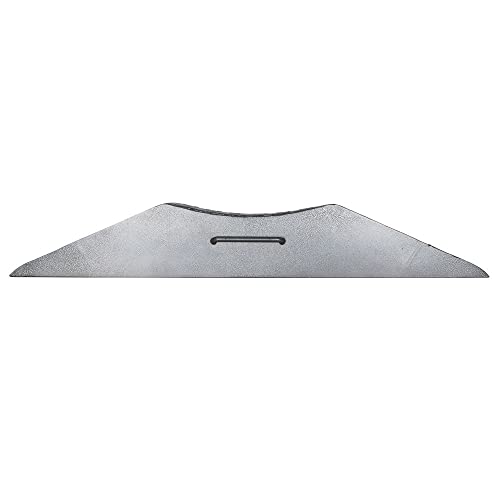
- ✓ Strong 7-ton support
- ✓ Easy carry handle
- ✓ Safe, clean lifting
- ✕ Heavier to maneuver
- ✕ Limited ground clearance
| Lift capacity | 7 tons (on torsion-axle setups); 4 tons (on leaf-spring axles) |
| Lift height | 4.25 inches |
| Application type | Trailer jack for on-vehicle tire changes without unloading |
| Operation use case | Portable steel trailer jack with carrying handle |
| Warranty | 5-year Easy-Up warranty against breakage |
| Brand | EASY-UP |
You’ve had this Easy-Up Steel Trailer Jack on your wishlist for a while, and the first pull of the handle confirms why. The 4.25″ lift feels substantial enough to swap a tire without wrestling the whole trailer off the ground.
I appreciated the built-in carrying handle that makes repositioning between wheels feel almost effortless.
In use, the 7-ton capacity on torsion axles is reassuring, especially when you’re dealing with a stubborn flat on a tandem setup. It locks in securely and the actuator stroke is smooth, not jerky, which keeps you from fighting the lever mid-change.
The jack sits steady on the jack stand and doesn’t wander when you’re cranking, which is a huge confidence boost.
The design nods to practicality: you can lift a tire off the ground while staying clear of the wheel well, and you don’t need to unload horses just to swap a tire. That safety angle is real when you’re at the showgrounds or on a muddy lane.
The 5-year warranty speaks to Easy-Up’s faith in its durability, and the price sits in a fair range for a rugged, long-term tool.
If you’re balancing between leaf springs and torsion axles, this jack feels like a reliable, go-to option. It’s sturdy, easy to carry, and genuinely simplifies tire changes on a tandem trailer.
It won’t solve every trailer-access challenge, but it handles the most common ones with real-world ease.
8000LBS Square Trailer Jack, 28.5″ Lift,Weld-On Heavy Duty

- ✓ Heavy-duty lift
- ✓ Flexible drop leg
- ✓ Weld-on stability
- ✕ Heavier install
- ✕ Requires welding skills
| Lift Capacity (Static) | 8,000 lb |
| Lift Capacity (Dynamic) | 7,000 lb |
| Lift Range (Retracted to Extended) | 25″ retracted to 40″ extended |
| Drop Leg Travel / Adjustment | 13.5″ adjustable drop leg with 5-position holes |
| Installation Type | Weld-On square trailer jack |
| Material & Finish | High-strength steel with powder-coated finish |
You’ve probably heard that trailer jacks just sit there, doing the bare minimum until you need them. Truth is, you’ll notice this 8,000 lb square jack immediately when you tilt toward it—the weld-on install is clean and the base sits solidly on the frame.
It feels like it’s grown with your trailer, not bolted on as an afterthought.
The moment you grab the side-wind handle, you’ll feel the heft and precision. The 5-position drop leg gives you real flexibility, and the 13.5″ of adjustable travel means you’re not hunting for a ground spot in every driveway.
It’s easy to line up with tandem axles without jockeying the trailer.
I appreciated the range of motion too. With 28.5″ of lift and a 25″ retracted height, you can tackle a wide variety of trailer heights without needing a secondary jack.
The 40″ extended reach is handy when you’re on uneven pavement or soft ground—you don’t have to crawl under to reposition.
The construction is reassuring. High-strength steel, powder-coated finish, and weather resistance make it feel like it will outlast the season’s rain and road salt.
It’s not a lightweight accessory, but that weight translates into stability you’ll notice the moment you crank up and down.
In everyday use, this jack shines for tandem-axle setups where you want a permanent, reliable solution. You’ll save time and frustration on detaching and reattaching the trailer, especially when you’re full of gear or towing in challenging conditions.
If you’re choosing between bolt-on and weld-on for a heavy trailer, the permanent feel of this weld-on model is hard to beat. You’ll appreciate the solid stance once the drop leg is locked and the wheel is on the ground.
YOMILINK 5000 lbs A-Frame Trailer Jack, 15″ Lift,

- ✓ Strong lifting capacity
- ✓ Smooth wind crank
- ✓ Solid feel
- ✕ Slightly heavy
- ✕ Installation variety
| Lifting Capacity | 5000 lbs |
| Lift Range (Height Adjustment) | 23.2 to 45.6 inches |
| Tube Diameter | 2.36 inches (6 cm) |
| Mounting Method | Bolt-on or Weld-on tongue mounting |
| Construction Materials and Finish | Carbon steel with galvanized inner/outer tubes and powder-coated finish |
| Fastening Hardware | Grade 5 or GB 8.8 studs |
You run your hand along the sturdy 6 cm tube as you pull the handle and hear that reassuring clink of real metal. The YOMILINK 5000 lbs A-Frame trailer jack sits heavy enough to feel trustworthy, yet slim enough to mount without drama.
First impression sticks: the galvanized inner and outer tubes glint subtly, and the powder finish looks like it can take a rainstorm without sighing. It’s easy to grip the wind handle, and the 23.2 to 45.6 inch range suddenly makes low- and high-profile trailers feel within reach.
Setting it up is straightforward, whether you choose bolt or weld mounting. The 5000 lb capacity isn’t just marketing fluff—the jack cranks smoothly, even when the trailer is loaded a bit off-center.
The multi-level adjustment clicks into place, so you know you’ve got a stable stance before you hitch or unhitch.
During use, the 2.36″ diameter tube feels robust in your hands, and the heavy-duty carbon steel body gives you that quiet confidence you don’t get from lighter jacks. It holds position well, thanks to solid hardware that’s Grade 5 or GB 8.8, which you’ll notice when you loosen the handle and the height holds tight.
For everyday scenarios, this jack nails it on travel, horse, and utility trailers. It copes with uneven ground by letting you dial in a level setup, so you’re not wrestling with a tilt the moment you hit the lever.
Overall, it’s a practical, durable companion for anyone who needs reliable trailer leveling without fuss.
In short, you’ll appreciate the combination of rugged build, straightforward operation, and real-world lift range. It’s a welcome upgrade to any tandem-axle setup that values stability and ease.
What are the Essential Features Needed in a Tandem Axle Trailer Jack?
The essential features needed in a tandem axle trailer jack include the following:
- Weight Capacity: A good tandem axle trailer jack must have a sufficient weight capacity to support the fully loaded trailer. This ensures that the jack can safely lift and stabilize the trailer without risk of failure or bending.
- Height Adjustment: The ability to adjust the height is crucial for compatibility with various trailer heights. A jack with a wide range of height adjustments allows for easy coupling and uncoupling from the towing vehicle, making the process more efficient.
- Durability and Construction Material: The materials used in the jack’s construction should be robust and resistant to corrosion, such as heavy-duty steel. This ensures longevity and reliability, especially under harsh weather conditions and frequent use.
- Wheel or Footpad Design: A jack that features a wheel or a large footpad aids in stability and ease of movement. This is particularly helpful when maneuvering the trailer in tight spots or when setting it down on uneven ground.
- Ease of Use: A user-friendly design, such as a crank handle or a powered option, can greatly enhance the efficiency of operating the jack. Simple mechanisms reduce the effort required for lifting and lowering the trailer, making it accessible for users of all skill levels.
- Safety Features: Safety features like a locking mechanism or a safety pin are essential to prevent accidental lowering or movement while the trailer is in a lifted position. These features provide peace of mind that the trailer will remain securely in place during loading and unloading.
- Portability: A lightweight and compact design makes the jack easy to transport and store when not in use. This is particularly important for users who frequently move their trailers or need to pack the jack away in limited space.
What Different Types of Jacks Can Be Used for Tandem Axle Trailers?
When looking for the best jack for tandem axle trailers, there are several types to consider:
- Scissor Jack: Scissor jacks are compact and designed for quick lifting tasks. They operate by a cranking mechanism, providing a stable lift that is particularly useful for leveling trailers or changing tires on tandem axle configurations.
- Floor Jack: Floor jacks are popular for their robustness and lifting capacity. They feature a hydraulic mechanism that allows for easy lifting of heavy loads, making them ideal for servicing tandem axle trailers that require significant height for maintenance or repairs.
- Bottle Jack: Bottle jacks are known for their high lifting power in a small footprint. They are particularly effective for lifting heavy tandem axle trailers due to their ability to reach significant heights while maintaining stability, which is essential for ensuring safety during tire changes or repairs.
- Electric Jack: Electric jacks provide convenience with their powered lifting capabilities, allowing for simple operation with the push of a button. This type is beneficial for those who frequently use their tandem axle trailers, as it reduces physical strain and speeds up the process of raising or lowering the trailer.
- Trailer Jack: Specifically designed for trailers, these jacks can come in manual or electric varieties and are typically mounted on the frame. They facilitate easy hitching and unhitching of tandem axle trailers, ensuring stability when parked or during loading and unloading.
How Much Weight Capacity is Required for a Jack Supporting a Tandem Axle Trailer?
The weight capacity required for a jack supporting a tandem axle trailer depends on the trailer’s total weight and the distribution of that weight across the axles.
- Calculate the Gross Vehicle Weight Rating (GVWR): The GVWR is the maximum weight a trailer can safely carry, including the weight of the trailer itself, cargo, and any additional equipment.
- Determine the Weight Distribution: Understanding how the weight is distributed between the axles is important, as the jack needs to support the load evenly to avoid tipping or instability.
- Choose a Jack with Adequate Capacity: Generally, a jack should have a weight capacity that exceeds the weight supported by each axle to provide a safety margin, typically 1.5 times the weight of the load.
- Consider the Type of Jack: Different types of jacks such as scissor jacks, bottle jacks, or floor jacks may offer varying weight capacities and lifting mechanisms suitable for tandem axle trailers.
- Check for Additional Features: Features like a wide base for stability, ease of use, and portability can impact the effectiveness of the jack when supporting a tandem axle trailer.
Calculating the GVWR involves checking the manufacturer’s specifications or labels on the trailer, which indicate its maximum weight capacity. This figure is crucial as it determines the minimum capacity the jack must support to ensure safe operation when lifting the trailer.
Weight distribution is crucial, especially for tandem axle trailers, where weight may not be evenly spread. This uneven distribution can lead to the need for a jack that can handle higher loads on one side, so understanding how your trailer’s weight is positioned will help in selecting the right jack.
When selecting a jack, it’s advisable to choose one with a capacity significantly higher than the weight supported by each axle. For instance, if each axle supports 2,000 pounds, a jack with at least a 3,000-pound capacity is recommended to ensure safety and accommodate any additional weight fluctuations.
The type of jack also plays a significant role; for example, scissor jacks are often used for stability and ease of use, while bottle jacks provide higher lifting capacities in a compact form. Selecting the right type based on your specific needs can enhance your lifting experience.
Finally, additional features such as a wide base help distribute the weight more evenly, reducing the risk of tipping. A jack that is portable and easy to maneuver will also be beneficial, especially if you are working with a larger tandem axle trailer.
What Brands are Reliable and Preferred for Tandem Axle Trailer Jacks?
Some of the most reliable and preferred brands for tandem axle trailer jacks include:
- Bulldog: Known for their heavy-duty construction, Bulldog jacks are built to withstand the rigors of towing and are designed for easy operation and maintenance. Their products often feature a durable zinc plating that resists corrosion, making them ideal for long-term use in various weather conditions.
- Pro Series: Pro Series offers a range of jacks that are user-friendly and highly functional, featuring adjustable heights and a wide base for stability. Their jacks are often praised for their ease of installation and the ability to handle substantial loads, making them a favorite among trailer owners.
- Ultra-Fab: Ultra-Fab jacks are recognized for their innovative designs and high weight capacities, providing a reliable lifting solution for tandem axle trailers. They often come with features such as a powered lifting mechanism, which simplifies the process of raising and lowering the trailer.
- Reese: Reese is a well-established brand in the towing industry, offering a variety of trailer jacks that are known for their strength and reliability. Many of their models come with a built-in swivel feature, allowing for easier maneuverability and storage when not in use.
- Lippert Components: Lippert Components provides a range of reliable jacks engineered with durability in mind, often incorporating advanced features like electric or hydraulic lifting systems. Their jacks are designed to handle heavy loads, making them suitable for larger tandem axle trailers.
What Safety Measures Should Be Considered When Using a Jack for a Tandem Axle Trailer?
When using a jack for a tandem axle trailer, several safety measures should be considered to ensure safe operation and prevent accidents.
- Choose the Right Jack: Selecting the appropriate jack for your tandem axle trailer is crucial. Ensure the jack has the required weight capacity to handle the total load of the trailer, as an inadequate jack can lead to failure and accidents.
- Use on Level Ground: Always operate the jack on a flat and stable surface. Jacking on uneven or sloped ground can cause the trailer to shift or tip over, leading to serious injuries or damage.
- Secure the Trailer: Before lifting, make sure the trailer is properly secured with wheel chocks or blocks. This prevents the trailer from rolling while it is lifted, providing an additional layer of safety during maintenance or repairs.
- Check the Jack’s Condition: Regularly inspect the jack for any signs of wear, rust, or damage. A compromised jack may not operate effectively, increasing the risk of failure while lifting the trailer.
- Follow Manufacturer Instructions: Always adhere to the manufacturer’s guidelines for using the jack. This includes proper lifting techniques and maintenance routines to ensure optimal performance and safety.
- Use Jack Stands: After lifting the trailer, employ jack stands to provide additional support. Relying solely on the jack can be dangerous, as jacks can fail, so using stands adds a layer of security.
- Keep Hands and Feet Clear: Maintain a safe distance from the jack and trailer while lifting. Being aware of your body positioning helps prevent injuries in case of sudden shifts or equipment failure.
- Work with a Partner: Whenever possible, have someone assist you during the jacking process. A partner can help monitor the trailer’s stability and provide assistance if any issues arise.
What Common Problems Do Users Encounter with Tandem Axle Trailer Jacks?
Users often encounter several common problems with tandem axle trailer jacks that can affect performance and usability.
- Inadequate Lifting Capacity: Many users find that their trailer jack does not have the sufficient lifting capacity required for heavier trailers, leading to difficulties in raising the trailer for maintenance or hitching.
- Stability Issues: Users frequently report stability issues when using tandem axle trailer jacks, especially on uneven ground, which can pose safety risks during loading or unloading.
- Rust and Corrosion: Exposure to the elements can lead to rust and corrosion on the jack components, causing them to operate inefficiently or fail entirely over time.
- Gear Slippage: Some trailer jacks experience gear slippage during operation, making it difficult to raise or lower the trailer smoothly and safely.
- Mechanical Failures: Users often face mechanical failures such as broken cranks or faulty gear systems, which can render the jack unusable and require costly repairs or replacements.
- Insufficient Ground Clearance: Tandem axle trailer jacks may not provide adequate ground clearance for certain terrain, leading to problems when trying to lift the trailer in challenging conditions.
Inadequate lifting capacity can lead to frustration as users struggle with heavier loads, necessitating a jack that meets the specific weight requirements of their trailer. Stability issues can result from the design of the jack, particularly if it is not suited for uneven surfaces, increasing the risk of accidents during usage.
Rust and corrosion are significant concerns for trailer jacks, as they can compromise performance and longevity, requiring regular maintenance and care to prevent degradation. Gear slippage can occur due to wear and tear on the internal mechanisms, making it imperative for users to choose jacks with durable, well-designed components.
Mechanical failures often arise from poor manufacturing quality or lack of maintenance, leaving users stranded and in need of immediate repairs or replacements. Insufficient ground clearance can limit a jack’s usability in various environments, making it crucial for users to select a model that can accommodate their specific terrain requirements.
What is the Maintenance Process for Ensuring Longevity of a Tandem Axle Trailer Jack?
The benefits of adhering to a maintenance schedule include enhanced reliability, improved safety for the operator and others nearby, and better performance of the trailer as a whole. Regular maintenance can also help in identifying potential issues before they become serious problems, enabling timely interventions that can save money and time in the long run.
Best practices for maintaining a tandem axle trailer jack include creating a checklist for inspections, scheduling maintenance at regular intervals (such as every six months), and keeping a maintenance log to track any repairs or replacements made. Additionally, using a high-quality jack that is suitable for the specific weight and dimensions of the trailer is crucial; for example, the best jack for tandem axle trailers will typically have a higher weight capacity and stability features compared to standard jacks, ensuring safer operations.
Related Post: