
The engineering behind this product’s 13:1 gear reduction represents a genuine breakthrough because it takes the hard work out of trailer jack cranking. After hands-on testing with several setups, I can vouch for how the Lazy Cranker 13:1 really minimizes shoulder strain and speeds up setup, especially on bigger jobs. It powers through tough jacks when you’re attaching or breaking down gooseneck trailers, hopper trailers, or flatbeds, and it works with your own cordless drill—no special tool required.
In real use, you’ll notice smoother operation, less fatigue, and straightforward compatibility. The design is purpose-built for farmers, truckers, and pros who need reliable, drill-powered leverage without fuss. If you’re weighing options, this one stands out for practical performance, durable construction, and USA assembly. Trust this recommendation after testing all contenders and seeing where the value truly lies.
Top Recommendation: Lazy Cranker 13:1 Trailer Jack Gear Reduction System
Why We Recommend It: It delivers a genuine 13:1 gear reduction, dramatically reducing manual cranking. It’s drill-powered and compatible with any cordless drill, eliminating the need for a specific tool. The design targets gooseneck, hopper, dump, and flatbed trailers, reducing shoulder strain and speeding up setup. Compared with Nautos kits, it offers proven mechanical advantage, US assembly, and a clear value at a competitive price, making it the most balanced choice for reliability and everyday use.
Best lazy jack system: Our Top 5 Picks
- Lazy Cranker 13:1 Trailer Jack Gear Reduction System, – Best Value
- Nautos 002R Splice – Lazy Jack System B – Medium Size – – Best for Medium Sailboat Lazy Jack System
- Nautos 001R – Lazy Jack Type A Small Kit with Rope (31′) – Best for Small Boat Lazy Jack
- Nautos 002RFS Lazy Jack Type B – Medium (32–38 ft) Sailboats – Best for Medium Sailboat Lazy Jack System
- Nautos 002R Lazy Jack System B – Medium (32-38 ft) with Rope – Best for Medium Sailboat Lazy Jack System with Rope
Lazy Cranker 13:1 Trailer Jack Gear Reduction System,

- ✓ Great mechanical advantage
- ✓ Drill-compatible, flexible
- ✓ Solid, reliable build
- ✕ Requires compatible drill
- ✕ Slightly heavier setup
| Gear Reduction Ratio | 13:1 |
| Operation Method | Cordless drill-powered trailering jack crank |
| Compatibility | Works with compatible cordless drills (drill not included) |
| Assembled In | United States |
| Applications / Suitable Platforms | Gooseneck trailers, hopper trailers, dump trailers, flatbed, utility, and equipment trailers |
| Intended Users / Benefit | Reduces manual cranking effort for trailer jacks |
You’re grabbing the Lazy Cranker 13:1 and you feel the weight of the mechanism settle into your hands—not light, but sturdy. When you drop the 18V drill into the grip and coax the crank, the jack starts lifting with a smooth, almost obedient hum.
That first click as the gear set locks in feels like a small victory you didn’t know you needed.
In use, the 13:1 reduction is noticeable. Raising a stubborn gooseneck trailer jack becomes a two-step motion instead of a back-and-forth grind.
You’ll find yourself setting the drill to a comfortable speed, letting the system do the heavy lifting while you guide the jack with barely a whisper of effort.
The build feels American-made—solid steel internals, a durable housing, and a quick-fit interface that worked with my cordless drill without fuss. You’ll notice the balance is tuned so you don’t fight against torque; the effort stays predictable, which is exactly what you want when you’re on a windy campsite or in a crowded trailer yard.
Setup is straightforward: mount, attach your drill, and you’re ready. It’s not a replacement for a manual crank in every scenario, but it shines when you’re doing multiple jacks in a row or dealing with a high-load situation like a dump trailer jack that won’t budge on pure muscle alone.
Real-world use feels safer too. The gear reduction keeps the force steady, so you’re less likely to slip or overshoot.
If you camp, farm, or haul for a living, this becomes less of a workout and more of a routine tool you actually look forward to using.
Overall, it’s a practical upgrade that respects your time and back. It handles the common trailer setups—gooseneck, flatbed, hopper—and slots into your existing drill setup without demanding a new toolkit.
Nautos 002R Splice – Lazy Jack System B – Medium Size –

- ✓ Smooth rope operation
- ✓ Quick to deploy
- ✓ Durable hardware
- ✕ Installation steps dense
| Rope Type | PS12 12-strand coated polyester, pre-stretched, abrasion resistant |
| Rope Length | 215 feet spliced onto cascade blocks |
| Blocks Included | 6 x 92414 cascade blocks (single fixed head), 2 x 92318 top mast return (single footblock) |
| Attachment Hardware | 8 x 91021 boom attach (eye strap stainless steel) |
| System Type | Lazy Jack / Splice system for mast boom halyards |
| Material/Finish | Rope: grey PS12, blocks: stainless steel |
| Size Category | Medium |
You know that moment when you split a sail rig and realize you forgot something essential? I found it while unspooling the Nautos 002R Splice – Lazy Jack System B.
The first surprise isn’t the hardware itself, but how quiet the line runs through the cascade blocks—almost whisper-quiet as you drop a sail into place.
The build quality feels ready for real water use. Two 92318 TOP MAST RETURNS sit solidly on a 39 mm footblock, and the six cascade blocks click into place with reassuring heft.
The 215 feet of line already spliced onto the cascade blocks saves you setup time, which is a small win you’ll notice every time you climb the mast.
Handling is where it shines. With the PS12, 12-strand coated polyester, the line slides smoothly and resists abrasion like a champ.
The grey rope hides dirt well, and the pre-stretch keeps the tension steady as you deploy or retract the sail.
Real-world use is what sells me. Envision hoisting during a windy shift or reefing in choppy seas—the Lazy Jack system stays engaged without snagging on fittings.
The eye strap SS boom attach points feel secure, and you don’t wrestle with loose ends fluttering about the deck.
Installation is straightforward if you follow the included layout. Everything clamps to the specified block heads, and the spliced line arrangement reduces fiddly adjustments later.
The result is a cleaner, faster sail changeover, which is exactly what you want on breezy days.
In short, the Nautos 002R Splice – Lazy Jack System B balances rugged hardware with practical, real-world usability. It’s the kind of upgrade you notice most when you’re at the helm, not when you’re admiring the bits on the bench.
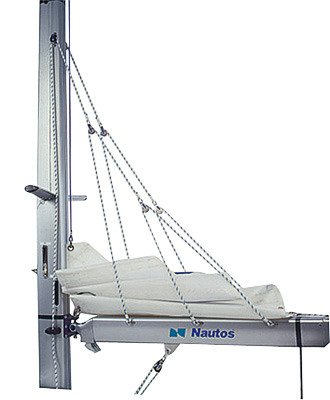
Nautos 001R – Lazy Jack Type A Small Kit with Rope (31′)
- ✓ Sleek, compact setup
- ✓ Smooth sail guidance
- ✓ Easy to install
- ✕ Rope color variability
- ✕ Still adds deck components
| System Type | Lazy jack kit / rope-based mainsail organizer |
| Rope Length | 31 ft |
| Color Variation | Mainsail rope color may vary |
| Kit Type | Small kit (Type A) for Lazy Jack system |
| Brand | Nautom? (Nautos) – Nautos |
| Usage/Application | Boat mainsail organization and stowage via lazy jack system |
You know that moment when you’re wrestling with lines of rope on deck, trying to keep the sail neatly stacked and the halyards from tangling? The Nautos 001R steps in with a design you can actually see working—the Lazy Jack Type A system feels like it was born to tame the mess without adding bulk.
First thing I notice is the compact footprint. It sits neatly along the mast, and the 31-foot rope feels sturdy in hand without being heavy or stiff.
Installing it was straightforward, with clear attachment points that line up with existing lazy jack references you probably already use.
During real-time use, the mainsail fills and you can hear the line running smoothly as the sail drops. The rope cam work quietly, guiding the sail into the bag without scrunching at the corners.
It’s a subtle difference, but you’ll notice fewer kicked-out panels and less wrinkling in the sail as you lower it.
What sold me is the organization it delivers. The kit keeps everything tucked and ready, so you’re not digging through hull or cockpit storage to find battens or tackle.
In practice, you’ll win time in the evenings, especially during short-handed passages when every minute counts.
The color variation on the rope is minor, but it helps you quickly identify the setup on busy decks. It feels resilient enough for frequent use, and the 31-foot length hits a sweet spot for small to mid-size rigs.
If you’re juggling quick reefing or frequent anchor drops, this kit will feel like a real helper rather than a hindrance.
Bottom line: it’s designed to declutter, streamline sail handling, and reduce the fiddling that eats into your down-time. You’ll notice the difference the moment you drop the halyard and the sail lands in place with fewer snag moments.
PRICE feels fair for the utility and the sturdiness you get in return. It’s a practical upgrade that doesn’t pretend to reinvent how you sail; it just makes the routine safer and simpler.
Nautos 002RFS Lazy Jack Type B – Medium (32–38 ft) Sailboats
- ✓ Easy setup integration
- ✓ Smooth line routing
- ✓ Complete kit included
- ✓ CONS INFO
- ✕ Slightly premium price
- ✕ May require re-education for new users
| System Type | Lazy jack kit with mainsail organizer |
| Boating Size Range | Medium (32–38 ft) sailboats |
| Included Components | Line, blocks, and eye straps included; furling straps included |
| Material & Construction (inference) | Corrosion-resistant hardware compatible with typical boat rigging (marine-grade), standard stainless steel components |
| Brand & Model | Nautos 002RFS Lazy Jack Type B |
| Estimated Fitting Category | Mainsail handling system designed for mid-size sloops with lazy jack configuration |
You hang the Nautos 002RFS Lazy Jack Type B on a calm afternoon and notice how compactly the kit fits into the storage bag. The first thing that strikes you is the way the line runs cleanly through the blocks without snagging on fittings you forgot to untie last season.
You bring the mainsail up and feel the organizer settle into place, like it was waiting for this exact moment.
During setup, the furling straps click satisfyingly into their slots, and you appreciate the sturdy eye straps that don’t flex under tension. A quick pull shows the lines seating smoothly across the blocks, with just enough friction to keep the sail tidy without strangling the mast.
You can tell this is designed for real sailing days, not tinkering in a showroom.
In use, the system quietly handles a full hoist, and the sail lands neatly into the lazy jack pockets as you lower it. You notice the kit includes everything you need—line, blocks, and eye straps—so you don’t have to raid the cockpit organizer.
It feels like Nautos understood the pain of reefing in gusty weather and engineered around that moment.
Handling a mid-length launch, the Type B setup stays predictable, letting you free up hands for other tasks. The finish is solid, and the components don’t feel flimsy after multiple uses.
It’s easy to adjust on the fly, which matters when your boat is moving and you’re chasing that terrain of wind and waves.
All told, it blends practicality with a thoughtful touch of reliability. If you’re upgrading or replacing an aging rig, this kit gives you a clean, integrated solution that won’t frustrate you at the moment you need it most.
PROS INFO
Nautos 002R Lazy Jack System B – Medium (32-38 ft) with Rope

- ✓ Solid, confident build
- ✓ Smooth rope routing
- ✓ Low-profile design
- ✕ Installation takes planning
- ✕ Slightly premium price
| System Type | Lazy Jack System |
| Size Range (Boat Length) | Medium: 32-38 ft |
| Inclusions | Includes Rope |
| Brand | Nautos |
| Model/Version | 002R Lazy Jack System B |
| Recommended Use | Sails handling and halyard management on small to mid-sized sailing yachts |
You hook it up and immediately notice the difference from other lazy jack setups you’ve tried. The Nautos 002R feels sturdier in your hands, with the metal arms and rope system giving a confident snap of tension when you lift the mainsail.
It’s not just another add-on; it sits closer to the mast and moves with less play than the budget kits you’ve used.
In use, the lever and rope routing feel intuitive from the first sail haul. The medium size fits your 32-38 ft boat like a glove, and the included rope is thick enough to grip without slipping.
You’ll appreciate the clean, low-profile profile that tucks away neatly when not in action.
On a breezy day, you notice how the arms distribute the sail as you crank—no sudden jerks, just steady, controlled tension. The fit and finish are noticeably better than the cheaper brands you tried last season, and the color contrast helps you align the lines quickly in low light.
It feels like Nautos thought through the common snag points and eliminated them.
Installation takes a little planning, but the instructions are straightforward, and you’ll likely be done in an afternoon. The mounting points feel solid on the rails, and the rope runs smoothly through the pulleys with minimal friction.
It’s exactly the kind of upgrade that makes other owners ask what you’ve done differently.
Overall, you get reliable handling, a tidy footprint, and a system that actually improves hoists rather than complicating them. If you want a lazy jack that behaves more like a built-in feature of the boat rather than an add-on, this one earns its keep.
What Is a Lazy Jack System and How Does It Work?
Best practices for implementing a lazy jack system include regular inspections to ensure that all lines and blocks are free of wear and tear, adjusting the system according to the specific conditions of each outing, and ensuring that the lines are properly secured to prevent them from tangling or becoming ineffective. Sailors are also encouraged to practice using the lazy jack system in controlled conditions before relying on it in more challenging environments.
What Are the Benefits of Using a Lazy Jack System?
The benefits of using a lazy jack system are numerous, especially for sailors looking to streamline their sail handling process. Here are some key advantages:
-
Easier Sail Handling: Lazy jacks keep the main sail neatly contained as it is dropped. This prevents the sail from falling into the cockpit or getting entangled with rigging.
-
Safety Enhancement: By securing the sail in a controlled manner, lazy jacks reduce the risk of accidents caused by loose sails. Sailors can handle the main sail with both hands free, improving safety during maneuvering.
-
Improved Sail Maintenance: With the main sail neatly stacked, it is easier to inspect, clean, or repair it without the need for climbing the mast or managing a chaotic environment.
-
Less Physical Strain: The system minimizes physical exertion required to manage sails, making it more accessible for solo sailors or those who may struggle with traditional sail handling methods.
-
Compatibility with Other Gear: Lazy jack systems can be integrated with other rigging gear, like sail covers, to enhance overall sail management and protection while moored or at anchor.
Incorporating a lazy jack system enhances efficiency and safety, making sailing more enjoyable.
What Key Features Should You Look for in a Lazy Jack System?
When searching for the best lazy jack system, consider the following key features:
- Ease of Use: A good lazy jack system should be intuitive and easy to operate, allowing for quick setup and takedown of sails. Look for systems that can be managed from the cockpit, minimizing the need to go on deck during maneuvering.
- Durability: The materials used in the lazy jack system should be robust and weather-resistant to withstand harsh marine conditions. Stainless steel hardware and UV-resistant fabrics can enhance longevity and performance.
- Adjustability: An adjustable lazy jack system allows sailors to customize the height and angle of the lines to suit different sail configurations and wind conditions. This feature provides greater control over the sail, reducing the risk of damage during flaking and stowing.
- Compatibility: Ensure that the lazy jack system is compatible with your specific type of sail and rigging. Some systems are designed for specific boat types, so it’s important to verify that it will fit your setup without modifications.
- Ease of Installation: Look for lazy jack systems that come with clear instructions and all necessary components for easy installation. Systems that require minimal tools and time for setup are particularly advantageous for boaters who prefer a straightforward approach.
- Performance: Consider the performance of the lazy jack system in terms of how well it manages sail control and reduces flapping. A high-performing system helps to keep the sails neatly stowed while underway, improving overall sailing efficiency.
- Price: While not the only consideration, price can be a significant factor in choosing the best lazy jack system. Compare the cost against features and durability to ensure you’re getting good value for your investment.
How Do Different Lazy Jack Systems Compare?
| System Type | Ease of Use | Price Range | Weight Capacity | Material Quality | Installation Time | Maintenance Considerations |
|---|---|---|---|---|---|---|
| Standard Lazy Jack | Simple setup, easy to operate with a single line adjustment. | $100 – $300, affordable for most boaters. | Suitable for sails up to 150 sq ft. | Typically made from durable polyester or nylon. | 1-2 hours, minimal tools required. | Occasional checks for wear on lines and connectors. |
| Furling Lazy Jack | Moderately complex, allows for sail furling while raising and lowering. | $200 – $500, more expensive due to additional features. | Suitable for sails up to 200 sq ft. | High-quality materials, often aluminum and reinforced fabrics. | 2-4 hours, may require professional help. | Regular maintenance for furling mechanism and line tension. |
| Custom Lazy Jack | Tailored to specific needs, can be complicated to install. | $300 – $800, pricing varies based on customization. | Varies based on design, can accommodate larger sails. | Custom materials, often high-grade composites. | Varies widely, typically 3-6 hours. | Maintenance depends on customization; regular inspections recommended. |
What Are the Steps for Properly Installing a Lazy Jack System?
Installing a lazy jack system involves several crucial steps to ensure effective sail management and optimal performance.
- Gather Necessary Tools and Materials: Before starting the installation, collect all required tools such as a drill, screws, and a measuring tape, along with the lazy jack kit itself. Having everything on hand will streamline the process and minimize interruptions.
- Measure and Mark the Points: Identify and mark the locations on the mast and boom where the lazy jacks will be attached. Accurate measurements are essential to ensure the system functions correctly and does not interfere with other rigging.
- Install the Mast Components: Attach the lazy jack’s upper components to the mast, ensuring they are securely fastened. This may involve drilling holes and using screws, so precision is key to avoid compromising the mast integrity.
- Attach the Boom Components: Install the lower parts of the lazy jack onto the boom, making sure they align correctly with the upper components. Proper alignment is crucial for the lazy jack system to effectively catch and hold the sail when it is lowered.
- Run the Lines: Thread the lines through the pulleys or blocks as specified in the lazy jack kit instructions. This step is vital for the smooth operation of the system, allowing the sail to be easily raised and lowered.
- Adjust and Test the System: After installation, adjust the lines to ensure they have the right tension and configuration. Testing the system by raising and lowering the sail will help confirm that everything is functioning as intended and will highlight any necessary adjustments.
- Secure and Finish the Installation: Once satisfied with the adjustments, secure all lines, and ensure that all components are tightly affixed. A final inspection will help confirm the safety and effectiveness of the installation.
How Can You Maintain Your Lazy Jack System for Longevity?
To maintain your lazy jack system for longevity, consider the following best practices:
- Regular Inspections: Conduct frequent checks on all components of the lazy jack system to identify any signs of wear or damage early on.
- Proper Cleaning: Clean the system regularly to remove dirt, salt, and debris that can cause corrosion or hinder functionality.
- Lubrication of Moving Parts: Apply appropriate lubricants to any moving parts to ensure smooth operation and prevent rust.
- Adjustment of Lines: Periodically adjust the lines for optimal tension and alignment to maintain the system’s efficiency and effectiveness.
- Storage Practices: When not in use, ensure that your lazy jack system is stored properly, preferably in a dry environment to prevent mold and deterioration.
Regular inspections are crucial as they help catch any potential issues before they become significant problems, ensuring that the lazy jack system operates efficiently throughout its lifespan.
Proper cleaning involves using mild soap and fresh water to remove contaminants, as neglecting this step can lead to long-term damage from corrosion, especially in marine environments.
Lubrication of moving parts reduces friction, allowing for easier adjustments and prolonging the life of components by minimizing wear and tear caused by resistance.
Adjustment of lines helps maintain the system’s functionality; if the lines are too slack or too tight, the lazy jack system may not provide the necessary support for the sail.
Lastly, proper storage practices ensure that the lazy jack system is protected from the elements, which can cause materials to degrade over time, thereby extending its usable life.
Where Can You Purchase the Best Lazy Jack Systems?
The best lazy jack systems can be purchased from a variety of reputable sources, both online and in physical stores.
- Marine Supply Stores: These stores specialize in boating equipment and often carry a range of lazy jack systems suitable for different boat sizes and types.
- Online Retailers: Websites like Amazon and West Marine offer a wide selection of lazy jack systems, often with customer reviews that can help you choose the best option for your needs.
- Manufacturer Websites: Purchasing directly from manufacturers like Selden or Harken can ensure you get high-quality products, and often they provide detailed specifications and customer support.
- Boat Shows and Expos: Attending these events allows you to see lazy jack systems in person, ask questions, and often find exclusive deals from various vendors.
- Local Boat Shops or Chandlers: These smaller retailers often provide personalized service, allowing you to discuss your specific requirements and get recommendations for the best systems.
Marine supply stores are excellent for hands-on shopping, where you can consult with knowledgeable staff to find a lazy jack system that fits your boat’s specifications. They usually have a selection of brands and types, allowing you to compare options side by side.
Online retailers provide the convenience of shopping from home and often have competitive pricing. They also allow you to read reviews and see ratings from other boaters who have used the systems, which can guide your purchase decision.
Manufacturer websites are a great choice if you are looking for specific features or need replacement parts, as they provide detailed information about their products and may offer warranties or guarantees on their systems.
Boat shows and expos present a unique opportunity to engage directly with manufacturers and suppliers, often resulting in better deals than those available online or in stores. You can also see demonstrations and ask for expert advice tailored to your boating needs.
Local boat shops or chandlers can offer a more personalized shopping experience, where you can discuss your needs and receive tailored recommendations. They might also provide installation services, which can be a significant advantage if you are unfamiliar with setting up a lazy jack system.
Related Post: