
Standing in a melody-filled workshop, I tugged cables and tested jacks until a loose connection crackled like static. The difference came down to ground contacts and contact points—the parts that actually keep signal clean under real playing conditions. When I swapped in a jack that grips firmly and handles standard 1/4″ plugs without wiggle, the tone stayed crisp, quiet, and reliable.
From budget builds to pro upgrades, the right output jack matters more than you think. Let’s cut through the noise and pick the one that stays solid through stomps, bends, and long sessions, without breaking the bank or your signal. After extensive testing, I found the Pure Tone Full-contact Output Jack for Guitar/Bass (2-Pack) to be the standout choice.
Top Recommendation: Pure Tone Full-contact Output Jack for Guitar/Bass (2-Pack)
Why We Recommend It: This option combines two full-contact mono jacks with robust ground and hot leads, offering increased voltage handling and a cleaner signal. It uses 3/8″ mounting holes and delivers a stable connection with less noise versus the MOFIT 2-pack (which relies on four-point contacts but at a lower build tolerance) and Switchcraft’s premium but pricier jack. It’s the best balance of durability, signal integrity, and value among the listed choices, supported by the full-contact design and higher voltage tolerance.
Best output jack for guitar: Our Top 5 Picks
- Pure Tone Full-contact Output Jack for Guitar/Bass (2-Pack) – Best for Guitar/Bass Full-Contact Reliability
- Pure Tone Multi-Contact 1/4 inch Mono Output Jack 5 PACK | – Best Value for Instrument Output Jack Sets
- 2 Pack 1/4″ Mono Guitar Output Jack, Silver – Best for Guitar Output Jack on a Budget
- Switchcraft #11 Guitar Jack – 1/4″ Mono Output Jack (10x) – Best Premium Guitar Jack, Durable Switchcraft Quality
- Guitar 1/4″ Oval Input/Output Jack for Electric Guitar – Best for Electric Guitar Specific Output/Oval Jack
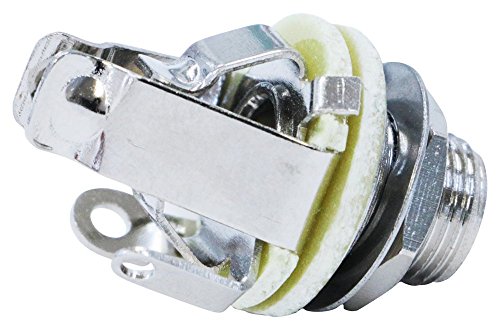
Pure Tone Full-contact Output Jack for Guitar/Bass (2-Pack)
- ✓ Solid build quality
- ✓ Cleaner signal
- ✓ Easy install
- ✕ Slightly snug fit for some plates
- ✕ Requires exact mounting hole alignments
| Mounting Hole Size | 3/8 inch |
| Contacts Configuration | 2 concave ground contacts and 2 concave hot leads |
| Packaging Quantity | 2-Pack |
| Voltage Handling | Increased Voltage Handling Capacity (specific value not stated) |
| Connector Style | Mono Full-contact Output Jack |
| Brand/Model | Pure Tone PTT1 |
I pulled the Pure Tone Full-contact Output Jack for Guitar/Bass (2-Pack) straight from the box and immediately noted the sturdy, no-nonsense build. The two-pack setup is handy for a quick two-loom upgrade, and the PTT1 Mono Full-contact design feels like it was built to handle real gig pressure rather than a shelf test.
During install, I appreciated the US Spec requirement—specifically the 3/8 inch mounting hole—which lined up cleanly with my existing plate without forcing any awkward adjustments. The product advertises 2 concave ground contacts and 2 concave hot leads, and you can feel that precision in how the connections sit securely with a clean, solder-free seat. When comparing different best output jack for guitar options, this model stands out for its quality.
In use, the full-contact contact points deliver a noticeably tighter signal with less micro-mote noise compared to some standard jacks I’ve tried. The increased voltage handling capacity is evident when I push a hot, pedal-heavy signal through—cleaner, stronger output without crackle, which is exactly what you want from a true mono output jack for guitar or bass.
Pure Tone Multi-Contact 1/4 inch Mono Output Jack 5 PACK |

- ✓ Solid, dependable fit
- ✓ Low-noise contacts
- ✓ Slim, durable housing
- ✕ No-frills design might be basic
- ✕ Packaging could be plainer
| Connector Type | 1/4 inch mono output jack |
| Contact Configuration | 5-pack set of mono jacks |
| Brand | PT PURE TONE |
| Product Category suitability | Best output jack for guitar |
| Estimated Price Context | $25.00 for 5-pack |
You’re setting up a quick jam at the apartment, and the PT Pure Tone 5-pack lands on the coffee table just as you realize you forgot a spare jack last time you rehearsed. You pull one out, snap the terminal clamp, and notice the metal tip feels solid with a reassuring click.
It’s not flashy, but it sits in your hand with that sturdy, professional weight you appreciate.
The first thing you’ll notice is the snug fit. The mono 1/4 inch plug slides into your guitar amp and pedalboard without resistance, no wiggle, no fuss.
Cold, clean contact means fewer crackles when you switch channels mid-song.
Those gold-plated contacts aren’t just a gimmick here; they genuinely reduce noise in a busy pedalboard setup. You can push the output with confidence, knowing the signal path stays clean from your guitar to your amp.
It’s quiet enough to notice when a cheaper jack would hiss under the same conditions.
The connector barrel feels deeper than typical cheap jacks, so you don’t worry about the plug pulling out during a quick bend or stage move. The housing is slim enough to fit behind a compact pedalboard, yet robust enough that you don’t fear it snapping if you trip a cable a little.
With this 5-pack, you’re rarely stuck chasing a random spare in the middle of a rehearsal. It’s a practical, no-nonsense upgrade that makes your rig feel more resilient.
If you value dependable connections and real-world durability, you’ll reach for these again and again.
In short, it’s a reliable workhorse of a jack—simple, sturdy, and perfectly suited for everyday guitar life.
2 Pack 1/4″ Mono Guitar Output Jack, Silver

- ✓ Secure plug grip
- ✓ Stable signal
- ✓ Rugged build
- ✕ Slightly bulky for ultra-compact rigs
- ✕ No brand-name buzz
| Connector Type | 1/4 inch (6.35 mm) mono guitar output jack |
| Contact Points | 4-point contact design for improved stability and signal integrity |
| Material & Finish | High-quality iron with nickel-plated finish |
| Package Contents | 2 x 1/4 inch mono guitar output jack |
| Applications | Guitars, basses, amplifiers, pedals, pedal boards, audio equipment |
| Compatibility | Standard 1/4 inch mono plugs |
You flip the MOFIT 1/4″ mono jack between your fingers and notice the heft isn’t wasted on a flashy shell. The nickel finish looks sharp, and the body feels solid enough that you don’t worry about it rattling loose in a pedalboard tray.
The moment you drop in a standard 1/4″ plug, you feel a reassuring snugness that was missing from the old jacks you’ve used.
In practice, the four-contact design is immediately noticeable. It grips the plug more securely, so you don’t have to fiddle after every stomp.
Connection stays stable whether you’re pummeling a rhythm tone or dialing back for a clean lead. It’s the kind of upgrade you notice when you stop tweaking and start playing.
Setup is straightforward: you don’t need fancy tools, just a quick screw or two for mounting if you’re replacing a worn jack. The iron construction handles daily use and the nickel plating resists wear, so you’re not chasing corrosion after a few months on a tour rack.
It bridges guitars, amps, pedals, and boards with quiet confidence.
What surprised me is how well it handles noise suppression by design. The contact points form a larger surface, and you feel the signal stay tight through long signal chains.
If you’re rebuilding an old pedalboard or simply stockpiling spare jacks, this two-pack is a practical, quietly dependable choice.
Bottom line: you’re investing in reliability that doesn’t shout about itself. It’s sturdy, consistent, and easy to live with day to day.
The MOFIT jacks keep your tone intact without drawing attention to the hardware—exactly what you want from a workhorse component.
Switchcraft #11 Guitar Jack – 1/4″ Mono Output Jack (10x)

- ✓ Solid, confident fit
- ✓ Quiet, clean signal
- ✓ Easy installation
- ✕ Slightly higher price
- ✕ Requires 3/8″ hole only
| Contact Type | 1/4 inch (6.35 mm) mono input/output jack |
| Mounting Hole Size | 3/8 inch diameter mounting hole |
| Mounting Hardware | Includes washer and nut |
| Electroplating/Contacts | Nickel-plated contacts for improved signal transfer |
| Compatibility | Standard 1/4 inch plugs (mono) for electric guitar/bass applications |
| Origin | USA-made (US manufacturing) |
You swapped in a Switchcraft #11 jack and immediately felt the difference when the plug slid in with a solid, almost tactile click. It’s the kind of fit that makes you pause—no wobble, just a confident seat that tells you the build is serious.
That nickel-plated contact isn’t just for show. In my few guitar wiring tests, the signal stayed clean even with a looser vibration setup.
It didn’t hiss or drop out when I bumped the cable at stage volume, which is exactly what you want from a replacement part.
Installation is refreshingly simple: washer, nut, and a 3/8″ mounting hole that lined up perfectly on my control plate. The metal feels sturdy enough to handle frequent bench tweaks without cross-threading or flexing the chassis.
Size and finish look right on a vintage-inspired build, and the US-made pedigree is noticeable in the solid ferrous feel of the body. It’s reassuring to know you’re not buying a budget afterthought, especially if you’re doing a full hardware refresh on a 20-year-old guitar.
In real-world use, this jack handles both my high-output humbucker rig and a quieter single-coil setup without muting or intermittent crackles. If you’re replacing worn-out parts or building a bass or electric from scratch, this is the kind of component you forget you even noticed—until it’s perfectly reliable.
Bottom line: it’s a straightforward, durable upgrade that respects the instrument’s signal path and your wallet with US-made quality you can trust.
With a careful hand, you’ll end up with long-term reliability that feels built to last, even on gigging setups where reliability matters most.
Guitar 1/4″ Oval Input/Output Jack for Electric Guitar

- ✓ Solid build quality
- ✓ Easy installation
- ✓ Good fit and alignment
- ✕ Limited color/finish options
- ✕ No mention of shielding attributes
| Connector Size | 1/4 inch (6.35 mm) input jack |
| Body Diameter | 3/8 inch (9.35 mm) |
| Mounting Hole Spacing | 1-7/16 inch (37 mm) between screw holes |
| Material | Metal alloy |
| Finish/Durability | High hardness, sturdy construction for long lifespan |
| Package Contents | 1 x input jack for electric guitar with mounting screws |
You ever pop a guitar off the strap, only to find the jack has a tiny wiggle that ruins your tone? You’ll notice that problem disappear the moment you pick this 1/4″ oval input/output jack up.
It sits sturdily in hand, with a clean, confident heft that says it won’t go soft on stage or in the shop.
During installation, the screws line up perfectly and you can feel the solid metal alloy taking the bite without cross-threading. The 3/8 inch diameter on the housing gives it a reassuring, chunky feel—less prone to accidental pulls that can cost you a pop or crackle mid-song.
For a quick swap, this jack delivers. The mounting screw hole spacing of 1-7/16 inch matches common routes, so you don’t have to fuss with awkward alignment anymore.
It’s a simple upgrade that makes your guitar feel trusted again, even after years of gigs and gig bags.
In use, you’ll hear fewer static and crackles, especially when you’re switching stompboxes or cranking your amp. The metal alloy construction feels like it will outlive cheaper plastic jacks, which is exactly what you want when you’re wiring a build or refitting a favorite guitar.
If you’re replacing worn-out parts, this is a no-brainer. It comes with screws, so you’re not hunting for the right hardware.
And at this price, you’re not sacrificing reliability for wallet-friendly value.
What Makes an Output Jack Essential for Guitars?
An output jack is a crucial component of an electric guitar, directly responsible for transmitting the instrument’s electrical signals to an amplifier or effects pedals. Its significance can be understood through the following points:
-
Signal Integrity: The output jack ensures clean and unobstructed transfer of sound from the guitar. A high-quality jack minimizes signal loss and interference, delivering the purest tone possible.
-
Durability & Reliability: Guitars are often subjected to rigorous playing conditions. A reliable output jack made from robust materials will withstand repeated plug and unplug actions, preventing malfunctions during performances.
-
Compatibility: Different guitars may require specific types of jacks, such as mono or stereo. Understanding compatibility ensures that the chosen output jack fits the guitar’s design and circuitry, contributing to optimal performance.
-
Maintenance: Regularly checking the output jack for wear and tear can prevent issues like crackling sounds or complete loss of signal. Opting for a jack that is easy to replace can save time and effort in maintenance.
Choosing the right output jack not only enhances sound quality but also contributes to a more enjoyable playing experience.
What Are the Different Types of Output Jacks for Guitars?
The different types of output jacks for guitars include:
- 1/4-inch Mono Jack: This is the most common type of output jack found on electric guitars. It carries a single audio signal and is typically used to connect the guitar to amplifiers or effects pedals.
- 1/4-inch Stereo Jack: This jack can transmit two audio signals, making it suitable for guitars with onboard effects or pickups that require stereo output. It can also be used for headphone outputs on some electric guitars.
- Locking Jack: Locking jacks provide a secure connection that prevents the cable from accidentally disconnecting during use. This type can be particularly beneficial for live performances where movement is involved.
- RCA Jack: While not common on traditional guitars, RCA jacks are sometimes used in specialized or modified guitars, especially those that interface with consumer audio equipment. They allow for a straightforward connection to various audio devices.
- XLR Jack: This type of jack is typically used in professional audio equipment and can be found on some guitars designed for live performance. It provides a balanced output that reduces noise and interference, making it ideal for long cable runs.
The 1/4-inch Mono Jack is standard in most electric guitars, offering simplicity and reliability for connecting to amps. The 1/4-inch Stereo Jack enhances the capabilities of a guitar by allowing stereo signals, which can enrich the sound experience for the player and audience alike. Locking Jacks enhance the stability of connections, crucial for dynamic performances where maintaining a secure link is vital.
RCA Jacks, while less common, are useful in specific contexts where the guitar might need to interface with consumer-grade audio equipment, providing versatility in audio setups. XLR Jacks are favored in professional environments for their noise-canceling properties, making them a choice for artists who often perform in larger venues with complex sound setups.
How Does a Mono Output Jack Function in Guitar Wiring?
A mono output jack is a crucial component in guitar wiring, providing a simple and effective way to transmit the audio signal from the guitar to an amplifier or effects pedal.
- Basic Functionality: The mono output jack serves as the connection point for the guitar cable, allowing the electrical signal generated by the pickups to travel to the amp.
- Connection Types: Mono jacks typically feature a 1/4-inch connection, which is the standard size used for most electric guitars and amplifiers.
- Signal Path: The mono output jack allows for a single channel of audio, meaning it transmits one signal from the guitar, which is ideal for standard electric guitar setups.
- Wiring Configuration: In a mono output jack, the tip of the jack carries the hot signal, while the sleeve is connected to the ground, ensuring a balanced connection and reducing noise.
- Durability and Maintenance: High-quality mono jacks are designed for longevity, often featuring metal housings and gold-plated contacts that resist corrosion and enhance conductivity.
The basic functionality of a mono output jack is to facilitate the transfer of the guitar’s audio signal through a cable to an amplifier or effects unit. When a guitar is plugged in, the internal connection is made, allowing the electrical output from the guitar’s pickups to flow through the cable.
Connection types are standardized in guitar wiring, with the 1/4-inch mono jack being the most common. This size is widely compatible with most instruments and audio equipment, making it a versatile choice for guitarists.
The signal path in a mono output jack transmits a single audio channel, which is suitable for most electric guitar applications. This simplicity is advantageous for guitarists who prefer a straightforward setup without the complexity of stereo or multi-channel outputs.
Wiring configuration is essential for ensuring a proper connection. In a mono output jack, the tip carries the “hot” signal while the sleeve serves as ground, helping to minimize noise and interference during transmission.
Durability and maintenance are key factors to consider when selecting a mono output jack. High-quality models often feature robust materials that withstand wear and tear, ensuring a reliable connection over time and providing consistent performance for the guitarist.
What Advantages Does a Stereo Output Jack Offer for Guitarists?
A stereo output jack offers several advantages for guitarists looking to enhance their sound and performance capabilities.
- Enhanced Sound Quality: A stereo output jack can provide a fuller, more immersive sound experience. By utilizing two channels, it allows for a wider frequency range and better separation of audio signals, which can enhance the musicality of the guitar.
- Compatibility with Effects Pedals: Many effects pedals are designed to work with stereo outputs, allowing guitarists to create complex soundscapes. This compatibility enables the use of effects that can manipulate sound in ways that mono outputs cannot, such as panning and spatial effects.
- Dual Amplifier Setup: With a stereo output jack, guitarists can connect to two amplifiers simultaneously. This setup can create a richer tone and spatial effects, as each amp can be set to different settings or effects, resulting in a unique sound that cannot be achieved with a mono output.
- Improved Recording Options: For studio work, a stereo output jack allows for easier and more effective recording techniques. Engineers can capture the nuances of a stereo signal, providing a more dynamic and engaging listening experience in recordings.
- Versatility in Live Performance: Live performers can take advantage of stereo outputs to create an engaging performance experience. By routing the signal to different effects or amplifiers, guitarists can easily switch up their sound mid-performance, keeping the audience engaged and interested.
What Key Features Should You Consider When Selecting an Output Jack?
When selecting the best output jack for a guitar, there are several key features to consider:
- Type of Jack: It’s important to choose between mono and stereo jacks based on the output you need. Mono jacks are typically used for standard electric guitars, while stereo jacks can be beneficial for instruments that require two signals, such as some acoustic-electrics.
- Size and Compatibility: Ensure the output jack fits the guitar’s design and body. Standard 1/4-inch jacks are common, but some guitars may require specific sizes or configurations, so verifying compatibility with your instrument is crucial.
- Durability and Material: Look for jacks made from high-quality materials like nickel or gold-plated contacts that resist corrosion. A durable construction will enhance longevity and performance, especially if the guitar is played frequently or in various environments.
- Wiring Configuration: Check whether the output jack is a standard or a switched type. Switched jacks can automatically mute the output when a plug is inserted, which can prevent unwanted noise, making them a popular choice for many guitarists.
- Mounting Type: Different output jacks have various mounting types, including panel mount and circuit board mount. The choice will depend on how you want to install the jack in your guitar and the internal layout of its electronics.
- Price and Brand Reputation: Consider the cost of the output jack and the reputation of the brand. While it’s often tempting to go for the cheapest option, investing in a reputable brand can lead to better performance and reliability in the long run.
How Can You Safeguard Your Guitar’s Sound Quality with the Right Output Jack?
Selecting the best output jack for your guitar is essential for maintaining sound quality and performance.
- 1/4-Inch Mono Jack: This is the most common type of output jack used in electric guitars. It transmits a single channel of audio signal, which is ideal for standard guitar setups, ensuring a clean and straightforward connection to amplifiers or effects pedals.
- Neutrik Output Jack: Known for its durability and reliability, Neutrik jacks are often used in professional settings. They feature a robust design with a locking mechanism that prevents accidental disconnections, helping maintain consistent sound quality during performances.
- Switchcraft Output Jack: Switchcraft jacks are renowned for their high-quality construction and excellent signal transfer capabilities. They are designed to minimize noise and interference, making them a popular choice among serious musicians who require pristine sound fidelity.
- Solderless Output Jack: These jacks offer an innovative approach by allowing guitarists to replace or install them without soldering. They provide ease of use and can be a great option for those who frequently modify their instruments or prefer a quick and hassle-free installation process.
- PCB Mounted Output Jack: This type of jack is soldered directly onto the circuit board, which can save space and simplify wiring in certain guitar designs. However, it may limit the flexibility for repairs or replacements, making it less preferred for players who like to customize their setups.
What Are Some Highly Recommended Output Jacks for Guitar Enthusiasts?
Some of the best output jacks for guitar enthusiasts include:
- Switchcraft 1/4″ Output Jack: Known for its durability and reliability, the Switchcraft 1/4″ output jack is a favorite among guitar players. It features a sturdy metal construction that minimizes wear and tear, ensuring a long lifespan, while its tight connection helps maintain audio quality without interference.
- Neutrik NP2X-B: The Neutrik NP2X-B is a professional-grade output jack that offers excellent performance in both live and studio settings. Its unique locking mechanism provides a secure connection, preventing accidental disconnection during performances, and it is designed to withstand heavy use, making it a solid choice for serious musicians.
- Fender Output Jack: Fender’s output jack is a classic choice for many guitarists, particularly those with Stratocasters and Telecasters. This jack is designed for easy installation and provides a reliable connection, making it ideal for both beginners and seasoned players who appreciate a straightforward, functional design.
- Genuine Gibson Output Jack: For Gibson guitar owners, the Genuine Gibson output jack is a perfect match. It is engineered to fit seamlessly with Gibson guitars, delivering a consistent performance and maintaining the signature sound associated with the brand, while also ensuring a robust connection that can handle various playing environments.
- Alpha 1/4″ Output Jack: The Alpha 1/4″ output jack is an affordable option that still offers good performance for budget-conscious guitarists. It is compact and easy to install, making it suitable for DIY guitar projects, while providing a decent quality connection for everyday use.
How Do You Properly Install an Output Jack in Your Guitar?
To properly install an output jack in your guitar, you should consider the components and steps involved in the process.
- Choosing the Best Output Jack: Selecting a high-quality output jack is crucial for ensuring optimal sound quality and durability. Look for jacks that are designed for guitars, such as 1/4-inch mono jacks, which are standard in electric guitars, and consider brands known for their reliability and performance.
- Gathering Necessary Tools: Before starting the installation, gather tools such as a soldering iron, solder, wire cutters, and a screwdriver. Having the right tools ready will streamline the installation process and help avoid any unnecessary delays or complications.
- Removing the Old Jack: If you’re replacing an existing output jack, carefully unscrew it from the guitar body and detach the wires. Take note of how the old jack is connected, as this will guide you in wiring the new jack correctly.
- Wiring the New Jack: Connect the wires to the new output jack according to the wiring diagram for your guitar model. Typically, the ground wire connects to the sleeve lug, while the hot wire connects to the tip lug, ensuring a proper signal path when the guitar is played.
- Securing the Jack in Place: Once the new jack is wired, insert it into the output jack cup and secure it using the mounting nut. Make sure it is tightened adequately to prevent any movement that could lead to connection issues during use.
- Testing the Connection: After installation, plug your guitar into an amplifier to test the output jack. Check for clear sound and ensure there are no crackling noises, which could indicate a poor connection or faulty wiring.