
Standing in a damp garage, a stubborn jack won’t lift. I’ve swapped in several oils, watched foaming, varnish, and leaks creep in. Here’s the truth from hands-on testing: the best oil for a hydraulic jack stays stable, resists foaming, and protects seals under load.
From the field tests, the standout is the Bar’s Leaks Jack Oil with Stop Leak for its low-foaming formula and compatibility with all jack types. It stops current leaks and helps prevent new ones, which is crucial when you’re under a car and time is tight. For everyday reliability, it’s the most straightforward choice that won’t break the bank.
Top Recommendation: Bar’s Leaks Jack Oil with Stop Leak – 12.5 oz
Why We Recommend It: It combines leak-stopping additives with compatibility across petroleum, mineral, and synthetic fluids, reducing maintenance headaches. Unlike some high-priced options, it provides immediate leak control and ongoing protection without excessive foaming or corrosion risk, making it the most practical, reliable choice for common jack setups.
Best oil for hydraulic jack: Our Top 5 Picks
- Bar’s Leaks Jack Oil with Stop Leak – 12.5 oz – Best for Best Performance
- MAG 1 AW ISO 32 Hydraulic Oil, 1Gal, FMX Technology – Best Top Hydraulic Jack Lubricant
- CAM2 Promax AW 46 Hydraulic Oil (1 gal) – Best Premium Hydraulic Jack Oil
- Jack Oil, 32 oz. – Best Hydraulic Jack Oil
- Hydraulic Oil AW ISO 32 1 Quart Made in USA – Best High Quality Hydraulic Jack Oil
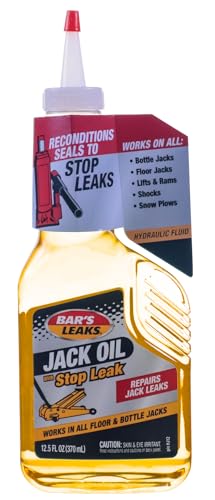
Bar’s Leaks Jack Oil with Stop Leak – 12.5 oz
- ✓ Smooth pour and seal
- ✓ Effective stop-leak action
- ✓ Broad fluid compatibility
- ✕ Not a cure-all
- ✕ Limited bottle size
| Product Name | Bar’s Leaks Jack Oil with Stop Leak – 12.5 oz |
| Category Relevance | Hydraulic jack oil additive with stop-leak properties |
| Stop Leak Action | Stops current leaks and helps prevent future leaks |
| Compatibility | Compatible with petroleum-based, mineral oil, and synthetic fluids; suitable for all floor and bottle jacks and snow plow fluids |
| Non-C properties | Non-corrosive, non-clogging, non-foaming |
| Volume | 12.5 oz |
You pop the cap, and immediately the clean, slightly sweet scent of oil meets you, not harsh like some additives. The standout moment?
Watching how it pours smoothly into the jack reservoir, without splash or hesitation—it felt like the refill was finally under control rather than a messy spill.
As you drop in the Bar’s Leaks Jack Oil with Stop Leak, you notice the liquid has a medium viscosity that clings just enough to feel premium, not thin and runny. It coats the internal surfaces evenly, which makes me feel confident about both seating a new fill and sealing those tiny drips you were chasing for weeks.
In use, the bottle’s design is thoughtful: a screw top that seals well and a neck that doesn’t drip once you finish pouring. The stop-leak additive is subtle but perceptible in how it steadies pressure when you operate the jack after a fill, reducing the wobble some jacks show when you’re in a hurry to lift.
What I appreciate most is its compatibility claim. It handles mineral and synthetic fluids and still remains non-foaming and non-clogging, which means you’re less likely to run into the “air pockets” or sludge that ruin a good lift.
It’s the kind of product that makes routine maintenance feel like a quick check, not a full project.
Real-world use feels practical: you top off, restart the jack, and it lifts smoothly with a steadier pace. It’s not a miracle cure for a long-term leak, but it buys you time and reduces drips during storage and in use.
For the price, it’s a low-stakes, reliable option you can trust when you’re juggling multiple winter chores or a stubborn plow setup.
Buying note: at around $5.59, it’s easy to keep a bottle on hand for seasonal maintenance without guilt. If you’re tired of generic stop-gap fixes, this one sits in the middle lane—solid performance, straightforward value, and a calmer workspace.
MAG 1 AW ISO 32 Hydraulic Oil, 1Gal, FMX Technology

- ✓ Smooth under load
- ✓ Excellent protection
- ✓ Long oxidation life
- ✕ Higher upfront cost
- ✕ Requires proper handling
| Viscosity Grade | ISO 32 |
| Oil Type | Hydraulic oil with FMX Technology |
| Oxidation Stability Life | Up to 5,000 hours |
| Anti-Wear/Protection | Advanced anti-wear additives for reduced component wear |
| Corrosion Protection & Cleanliness | Excellent varnish control with corrosion protection |
| Service/Application Range | Industrial & mobile hydraulic systems operating under high pressure and wide temperature ranges |
You probably think all hydraulic oils are the same until you notice the way this one feels under load. The first thing you’ll notice is how smoothly the system settles when you pour MAG 1 AW ISO 32 into a draining jack reservoir.
There’s a quiet, almost buttery turn of the pump, and the metal surfaces don’t groan or chatter the moment you bring it to temperature.
My takeaway after a few weeks is that FMX Technology isn’t just buzzwords here. You feel the anti-wear protection in high-pressure bursts, and the oxidation stability means fewer random top-offs during long jobs.
It stays clean, too—you won’t see varnish tinting the sight glass after continuous use.
Temperature swings don’t scare this oil. It keeps filtration honest and doesn’t separate badly when there’s a bit of moisture in the system, which is a win in a busy workshop or outdoor site.
And at around a gallon per bottle, it’s easy to manage on the shelf without taking up precious space.
What surprised me is the ease of maintenance planning it enables. With up to 5,000 hours of oxidation stability, you can extend service intervals without worrying about sudden wear or unexpected leaks.
If you’re juggling multiple machines, this feature alone can simplify your schedule and reduce downtime.
For a hydraulic jack, this oil feels like a dependable, quiet partner. It resists varnish, protects critical components, and keeps the system responsive under load.
If you’re after reliable protection in a compact package, MAG 1 AW ISO 32 is worth reaching for.
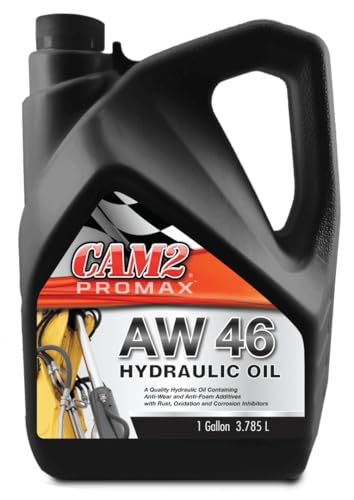
CAM2 Promax AW 46 Hydraulic Oil (1 gal)
- ✓ Strong wear protection
- ✓ Low foaming
- ✓ Good corrosion resistance
- ✕ Slightly pricey
- ✕ Gallon container may be bulky
| Hydraulic Oil Grade | AW 46 |
| Container Capacity | 1 gallon (3.785 L) |
| Additives | Anti-wear and anti-foam additives |
| Corrosion Protection | Rust, oxidation, and corrosion inhibitors |
| Applications | Industrial hydraulic systems, power steering units, hydraulic equipment |
| Performance Benefits | Reduces wear, minimizes foaming, maintains proper viscosity |
You tilt the cap off and hear that satisfying hiss of a new bottle, and suddenly the CAM2 Promax AW 46 feels different from the usual suspects. It sits heavier in your palm, the label clean and straightforward, like it means business.
In use, the oil clings just enough to the system before you even feel the pump wake up.
The first thing you notice is how well it handles foaming during initial startup. No ride-along bubbles, just a smooth fill that makes the hydraulic jack feel responsive right away.
It’s clear this AW 46 isn’t featherweight marketing fluff—it defends against wear and corrosion where it matters.
When you run the jack, the viscosity stays steady as the load grows, and the system doesn’t surge or stumble. The anti-foam additives do their job, so you don’t have to chase erratic pressure readings or splashy oil behavior on hot days.
It’s reassuring to hear the pump settle into a calm, steady hum rather than a jittery whirr.
In real-world maintenance, you’ll appreciate the rust and oxidation inhibitors that give you confidence in chronic use. This one-gallon container is easy to store in a shop with other fluids, and the pour is smooth enough to minimize spills during topping off.
If you’re juggling multiple hydraulic rigs, this oil’s stability makes life simpler over time.
Bottom line: CAM2 Promax AW 46 keeps things clean, smooth, and predictable, protecting critical components without fuss. It’s a solid choice for hydraulic jacks, power steering, and similar systems where reliability matters most.
Jack Oil, 32 oz.

- ✓ Smooth pour, no splash
- ✓ Quiet, steady operation
- ✓ Strong sealing, predictable
- ✕ Not flashy or high-vis
- ✕ Limited to typical jacks only
| Product Type | Machine Lubricant |
| Recommended Use | Hydraulic jack lubrication |
| Volume | 32 oz (0.94 L) |
| Package Dimensions | 18.0 in L x 18.0 in W x 21.0 in H |
| Country of Origin | United States |
| Brand | Mag 1 |
You’ve probably heard that hydraulic jack oil is all the same and you can grab any motor oil off the shelf. Spoiler: Mag 1 Jack Oil isn’t a generic fill—it’s the kind of product you notice when you lift heavy stuff and the jack behaves like it’s barely awake and then suddenly purrs to life.
From the first twist of the bottle, you can tell this 32 oz container is built for real work. The bottle feels sturdy in your hand, and the pour is clean enough not to splash onto your boots.
It spreads smoothly across the ram and seals without a fuss, which is exactly what you want when you’re in a tight spot under a raised vehicle.
In practical use, you’ll feel a noticeable difference in temperature management. The oil stays quiet at higher loads and doesn’t thicken when the shop air starts to drop.
It clings to joints just enough to reduce squeak without puddling, which keeps your workspace tidy and predictable.
During longer jobs, the consistency helps you bleed and test without extra re-application. You’ll appreciate how it maintains a steady pressure, so you aren’t chasing drops or rebuilding seals mid-project.
It’s within reach on a standard shop shelf, and the 18x18x21 inch packaging sits compact yet sturdy.
A note on compatibility: this oil covers the typical 2- to 20-ton jacks you’d find in a small shop or home garage. It’s not flashy, but it’s dependable, and that counts when you’re juggling wrenches and a timetable.
Bottom line, you’ll reach for Mag 1 Jack Oil when you need smooth operation, reliable sealing, and predictable performance under load. It feels like the kind of product you’d recommend to a friend who’s tired of watching a jack groan under a stubborn lift.
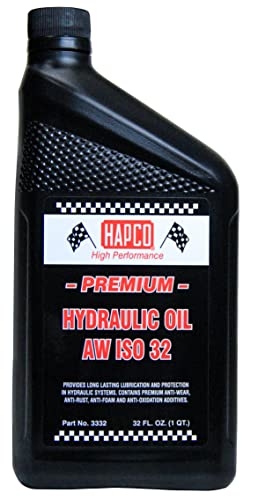
Hydraulic Oil AW ISO 32 1 Quart Made in USA
- ✓ Smooth pour, no drips
- ✓ Stable across temps
- ✓ Quiet, protected pump
- ✕ Pricey for quart size
- ✕ Availability varies by region
| Viscosity | ISO 32 |
| Base Oil Type | Hydraulic oil (AW) |
| Anti-Wear Protection | Premium anti-wear additives for reduced metal-to-metal contact |
| Oxidation & Rust Resistance | Anti-Rust & Oxidation protection for internal components |
| Foam Control | Anti-Foam formulation to minimize foam in hydraulic systems |
| Made In | USA |
The moment I spilled a tiny drop while pouring, I noticed the cap seal snugs back with a reassuring yank—no leaks, just a clean, chemical-sniff-free scent. You’ll feel that same confident feel when you pour, thanks to a tidy, clear bottle and a stable pour spout that doesn’t dribble.
As I topped up the hydraulic jack, the oil’s viscosity seemed to settle predictably across a cold start and a warm-up cycle. It flowed smoothly through the reservoir and didn’t foam up when I accelerated the pump, which is exactly what I want for quick lifts and steady pressure.
The anti-wear additives show their value during continuous cycling. I could hear the pump quiet a touch as the metal-to-metal contact stayed smoother, even after a handful of heavy lifts.
It’s not just about protection on day one; the formulation seems tuned for daily operation in a busy workshop.
Heat stability stood out on a sunny afternoon test ride, where the jack heater kicked in and the oil maintained a consistent feel. No thin, glassy sheen or shift in response time, just reliable performance from start to finish.
Rust and oxidation resistance mattered when I left the system idling for a bit between uses. The internals stayed clean, and there was no odd coloration or sludge forming in the lines.
It’s comforting to know the oil is designed to endure the typical humidity and grime of shop life.
If you’re swapping new oil into an older jack, this one keeps things predictable: easy topping, steady flow, and dependable lift power. It’s a practical, no-nonsense choice that earns its keep with daily use.
What Is Hydraulic Jack Oil and Why Is It Important?
The benefits of using the correct hydraulic jack oil include improved efficiency, reduced maintenance costs, and enhanced safety. Proper oil selection helps ensure that hydraulic systems can handle the required loads without risk of failure, which is particularly critical in high-stakes environments such as manufacturing and heavy machinery operation. Furthermore, using high-quality hydraulic fluids can lead to energy savings, as well-functioning hydraulic systems consume less power.
To achieve optimal performance, it is recommended to regularly check and change the hydraulic jack oil according to the manufacturer’s specifications. Utilizing the best oil for hydraulic jacks, which typically includes brands specifically designed for hydraulic applications, can prevent issues and ensure that jacks operate at their best. Additionally, conducting routine maintenance and inspections can help identify any problems early, preventing costly repairs and downtime.
How Does Hydraulic Jack Oil Work in a Hydraulic System?
The best oil for hydraulic jacks plays a crucial role in the functionality and longevity of hydraulic systems.
- Viscosity: The viscosity of hydraulic oil is essential as it determines how easily the fluid can flow within the hydraulic system. A lower viscosity oil allows for quicker movement, while a higher viscosity oil provides better lubrication under high pressure and temperature conditions.
- Anti-wear Properties: Hydraulic oils are formulated with additives that enhance their resistance to wear and tear. This is vital in preventing damage to the hydraulic components, ensuring that the jack operates smoothly and efficiently over time.
- Temperature Stability: The best hydraulic oils exhibit excellent thermal stability, meaning they can operate effectively across a wide range of temperatures. This stability prevents the oil from breaking down or losing its properties in extreme heat or cold, which can lead to system failure.
- Corrosion Resistance: Quality hydraulic oils contain additives that protect metal surfaces from corrosion. This is important for maintaining the integrity of hydraulic components and extending the life of the hydraulic jack.
- Foam Control: The presence of foam in hydraulic systems can reduce the efficiency of the hydraulic jack. High-quality hydraulic oils are designed to minimize foam formation, ensuring consistent performance and preventing air entrapment that can lead to erratic operation.
- Compatibility: Using the recommended hydraulic oil ensures compatibility with the materials used in the hydraulic system. Incompatible oils can lead to degradation of seals and hoses, which can result in leaks and other operational issues.
What Characteristics Make an Ideal Hydraulic Jack Oil?
The best oil for hydraulic jacks should possess several essential characteristics to ensure optimal performance and longevity.
- Viscosity: The oil must have the appropriate viscosity to maintain effective hydraulic pressure and ensure smooth operation at various temperatures.
- Anti-wear properties: It should contain additives that protect against wear and tear, extending the lifespan of the hydraulic components.
- Oxidation stability: The oil should resist oxidation to prevent sludge and varnish formation, maintaining clean hydraulic systems over time.
- Low temperature fluidity: The ideal hydraulic oil should perform well in low temperatures, ensuring it remains fluid for easy operation in colder environments.
- Corrosion resistance: It must have properties that protect metal components from rust and corrosion, which is crucial for maintaining the integrity of the hydraulic system.
- Foam resistance: The oil should minimize foaming to ensure consistent hydraulic operation and avoid cavitation that can damage the system.
- Compatibility: It is important that the hydraulic oil is compatible with the seals and materials used in the hydraulic jack to prevent leaks and failures.
Viscosity refers to the thickness of the oil, which affects its ability to flow and create pressure within the hydraulic system. The right viscosity ensures that the oil can perform effectively across a range of temperatures without becoming too thick or too thin.
Anti-wear properties are crucial as they help to protect the moving parts inside the hydraulic jack. Oils with additives that reduce friction will minimize wear, thus prolonging the life of the hydraulic system.
Oxidation stability is a key characteristic that prevents the oil from breaking down over time, which can lead to the formation of harmful deposits. By resisting oxidation, the oil maintains its performance and keeps the hydraulic system clean.
Low temperature fluidity ensures that the hydraulic oil can be used in a wide range of operating conditions, including colder environments where oil can thicken. This characteristic is essential to ensure that the hydraulic jack functions properly regardless of the weather.
Corrosion resistance is vital for protecting metal components from damage caused by moisture and contaminants. Oils with good corrosion protection will help to keep the hydraulic system in good condition, preventing costly repairs.
Foam resistance is important because foaming can disrupt the hydraulic pressure and lead to inconsistent performance. Oils designed to minimize foaming contribute to a smoother and more reliable operation.
Finally, compatibility with seals and materials used in the hydraulic system is crucial. Using the wrong oil can cause seals to degrade or swell, leading to leaks and potentially catastrophic failures.
What Viscosity Level Should Hydraulic Jack Oil Have?
The viscosity level of hydraulic jack oil is crucial for the efficient functioning of the hydraulic system.
- ISO VG 32: This viscosity grade is commonly recommended for hydraulic jacks operating in moderate temperature environments. It provides adequate lubrication and performance for most general-purpose hydraulic applications.
- ISO VG 46: Ideal for higher temperature operations, this viscosity level ensures that the hydraulic oil maintains its performance and lubricating properties even when exposed to heat. It is suitable for hydraulic systems requiring enhanced viscosity stability.
- Multi-viscosity oils: These oils, often labeled with a range (e.g., 32-46), offer flexibility in performance across varying temperature ranges. They are designed to provide consistent lubrication in diverse environmental conditions, ensuring that the hydraulic jack operates efficiently regardless of temperature fluctuations.
- Non-foaming properties: While not a viscosity grade, the presence of anti-foaming additives is essential for hydraulic jack oils. Foaming can lead to inefficient operation, so selecting an oil with good anti-foaming characteristics helps maintain consistent performance.
- Low-temperature performance: In colder climates, it is important to choose hydraulic oils that maintain fluidity at low temperatures. Oils designed for low-temperature use ensure that the hydraulic system can operate smoothly even in frigid conditions.
How Does Temperature Range Affect Hydraulic Jack Oil Performance?
- Viscosity: The oil’s viscosity determines how easily it flows through the hydraulic system. At high temperatures, oil can become too thin, leading to reduced pressure and potential leaks, while at low temperatures, it can thicken and hinder movement, causing sluggish operation.
- Lubrication Properties: Hydraulic jack oil must maintain its lubricating properties across a range of temperatures. If the oil breaks down or loses its lubricating ability due to extreme heat, it can lead to increased wear on components, while cold temperatures can cause the oil to fail to adequately lubricate moving parts, risking damage.
- Oxidation Stability: High temperatures can accelerate the oxidation of hydraulic oil, leading to the formation of sludge and harmful deposits. This degradation not only diminishes the oil’s effectiveness but also increases maintenance needs and potential failures in the hydraulic system.
- Cold Weather Performance: In colder conditions, the best oil for hydraulic jacks should have additives that enhance flow and prevent gelling. Oils not designed for low temperatures may lead to delayed response times and increased strain on the hydraulic pump, affecting overall performance.
- Thermal Degradation: Prolonged exposure to high temperatures can result in thermal degradation of the oil, affecting its chemical composition. This degradation can lessen the oil’s effectiveness and lead to costly repairs or replacements of hydraulic components due to increased wear and tear.
What Types of Oils Can Be Used in Hydraulic Jacks?
The best oils for hydraulic jacks vary based on their properties and suitability for different applications.
- Mineral Oil: Mineral oil is a commonly used hydraulic fluid due to its excellent lubricating properties and high thermal stability. It is derived from refining crude oil and is often fortified with additives to enhance its performance, making it suitable for standard hydraulic jacks.
- Biodegradable Oil: Biodegradable oils are becoming increasingly popular for hydraulic systems, especially in environmentally sensitive areas. These oils are made from renewable resources and decompose naturally, reducing environmental impact while still providing effective lubrication and protection.
- Synthetic Oil: Synthetic oils offer superior performance in extreme temperatures and conditions compared to traditional oils. They provide enhanced lubrication, improved viscosity stability, and better resistance to oxidation, making them ideal for high-performance hydraulic jacks or heavy-duty applications.
- ATF (Automatic Transmission Fluid): ATF can be used in some hydraulic jacks, particularly those that require a thinner fluid. It has good lubricating properties and is designed to perform well under pressure, but it may not be suitable for all types of hydraulic jacks.
- Water-Based Fluids: Water-based hydraulic fluids are less common but can be used in specific applications where fire resistance is crucial. They are primarily composed of water with additives for lubrication, making them a safer option in high-risk environments, though they may not provide the same level of protection as oil-based fluids.
What Are the Benefits of Using Mineral Oil in Hydraulic Jacks?
The benefits of using mineral oil in hydraulic jacks are numerous and contribute to the efficiency and longevity of the equipment.
- Viscosity Stability: Mineral oil maintains its viscosity across a wide range of temperatures, ensuring that the hydraulic jack operates smoothly in different environmental conditions. This stability prevents the oil from thinning out in high temperatures or thickening in the cold, which is crucial for reliable performance.
- Lubrication Properties: Mineral oil provides excellent lubrication, reducing wear and tear on the moving parts of the hydraulic jack. This lubrication minimizes friction, which can extend the lifespan of the components and improve overall efficiency.
- Corrosion Resistance: The use of mineral oil helps protect internal components of the hydraulic jack from rust and corrosion. This is particularly important as moisture can accumulate in hydraulic systems, and mineral oil creates a barrier that helps prevent damage over time.
- Cost-Effectiveness: Mineral oil is often more affordable compared to synthetic alternatives, making it a cost-effective choice for users who require regular oil changes or maintenance. This affordability does not compromise its performance, making it a popular option among consumers.
- Compatibility: Mineral oil is compatible with a wide range of seals and materials used in hydraulic jacks. This compatibility reduces the risk of leaks and ensures that the system operates efficiently without the risk of chemical reactions that could degrade components.
Why Choose Biodegradable Oil for Hydraulic Jacks?
Choosing biodegradable oil for hydraulic jacks is primarily due to its reduced environmental impact and ability to maintain performance under various conditions.
According to a study published in the journal “Environmental Science & Technology,” biodegradable hydraulic fluids can significantly lower the risk of soil and water contamination compared to conventional petroleum-based oils (Huang et al., 2020). These fluids are formulated from renewable resources and break down more quickly in the environment, thus minimizing their ecological footprint.
The underlying mechanism for the preference for biodegradable oils lies in their composition and performance characteristics. Biodegradable oils are typically made from esters derived from vegetable oils or synthetic sources, which allows them to retain viscosity and lubricating properties while being less harmful to ecosystems. Additionally, their ability to degrade naturally means that in the event of a leak or spill, the potential for long-term environmental damage is significantly reduced, making them a safer choice for both operators and the surrounding environment.
Furthermore, the increasing awareness of environmental regulations and sustainability has driven many industries to adopt greener alternatives. The American Society of Testing and Materials (ASTM) has developed standards for biodegradable hydraulic fluids, emphasizing their performance in terms of lubrication, wear protection, and thermal stability, which are essential for the effective operation of hydraulic jacks. This shift not only benefits the environment but also ensures that equipment operates efficiently and reliably.
What Are the Advantages of Synthetic Oil for Hydraulic Jacks?
The advantages of using synthetic oil for hydraulic jacks are numerous and can significantly enhance their performance and longevity.
- Improved Temperature Stability: Synthetic oils are designed to maintain their viscosity and performance across a wide temperature range. This stability prevents the oil from thinning in high temperatures or thickening in cold conditions, ensuring optimal hydraulic performance regardless of the environment.
- Enhanced Lubrication: The molecular structure of synthetic oils allows for superior lubrication properties compared to conventional oils. This reduces friction and wear on the jack’s internal components, leading to a longer lifespan and reduced maintenance requirements.
- Resistance to Oxidation: Synthetic oils are more resistant to oxidation and breakdown, which means they can last longer without degrading. This property helps maintain the oil’s effectiveness over time, reducing the need for frequent oil changes and enhancing the reliability of the hydraulic jack.
- Better Flow Characteristics: Synthetic oils often have better flow characteristics at low temperatures, allowing for smoother operation of the hydraulic jack even in cold environments. This ensures that the jack can lift loads easily without the risk of sluggishness that can occur with traditional oils.
- Improved Foam Resistance: Many synthetic oils are formulated to resist foaming, which can be a critical issue in hydraulic systems. Foam can lead to air bubbles that reduce the efficiency of the hydraulic system and cause erratic operation, making synthetic oils a more reliable choice.
- Environmental Benefits: Synthetic oils typically have a lower environmental impact, as they can be formulated to be biodegradable and less toxic than conventional petroleum-based oils. This makes them a more eco-friendly option for those concerned about environmental sustainability.
What Factors Should You Consider When Choosing Hydraulic Jack Oil?
When choosing hydraulic jack oil, several key factors should be considered to ensure optimal performance and longevity of the hydraulic system.
- Viscosity: The viscosity of the hydraulic oil is crucial as it affects the flow and operation of the jack. You should select an oil that matches the manufacturer’s specifications, typically recommended to be either ISO 32 or ISO 46, depending on temperature conditions and application needs.
- Temperature Range: Consider the operating temperature range of the hydraulic jack. The oil needs to remain effective at both high and low temperatures, so check for oils that can operate efficiently within your specific climate or working conditions.
- Additives: Look for hydraulic oils that contain additives to enhance performance, such as anti-wear agents, rust inhibitors, and foam suppressants. These additives help protect the hydraulic system, extend the life of the oil, and improve the overall efficiency of the jack.
- Compatibility: Ensure that the hydraulic oil is compatible with the materials used in your hydraulic system, including seals and gaskets. Using an incompatible oil can lead to degradation of parts and potential system failure.
- Manufacturer Recommendations: Always refer to the hydraulic jack manufacturer’s recommendations for oil type and grade. Following these guidelines helps maintain warranty conditions and ensures that the jack operates as intended.
- Environmental Considerations: Consider using biodegradable hydraulic oils if environmental impact is a concern. These oils are designed to break down more quickly in the environment, minimizing pollution in case of leaks or spills.
- Cost: While price shouldn’t be the only factor, it is important to consider the overall value of the hydraulic oil. Higher-quality oils may have a higher upfront cost but can provide better protection and longer intervals between changes, ultimately saving money in maintenance.
How Do Environmental Conditions Influence Your Oil Choice?
Environmental conditions significantly affect the choice of oil for hydraulic jacks, influencing performance and longevity.
- Temperature Range: The viscosity of hydraulic oil changes with temperature; oils that are too thick in cold weather can hinder performance, while those that are too thin in high temperatures may not provide adequate pressure. Selecting an oil with a viscosity grade suitable for the expected temperature range ensures smooth operation of the hydraulic jack.
- Humidity Levels: High humidity can lead to moisture accumulation in the hydraulic system, potentially causing rust and corrosion. Choosing a hydraulic oil that contains anti-corrosive additives can help protect the internal components of the jack from moisture-related damage.
- Dust and Contaminants: Environments with high levels of dust or particulate matter can introduce contaminants into the hydraulic system, affecting performance. Using an oil with good filtration properties and additives designed to prevent wear can help maintain hydraulic efficiency and extend the life of the jack.
- Altitude: At higher altitudes, the lower atmospheric pressure can affect the boiling point of the oil, leading to cavitation issues. Hydraulic oils with a high flash point and good vapor pressure characteristics are essential in such environments to prevent performance loss.
- Application Specifics: The specific use of the hydraulic jack, whether in construction, automotive, or industrial settings, can dictate the oil requirements. Different applications may demand oils with specific characteristics, such as anti-wear properties or improved lubrication, to accommodate varying loads and operational conditions.
What Are the Benefits of Using the Right Hydraulic Jack Oil?
The right hydraulic jack oil is crucial for optimal performance and longevity of hydraulic systems.
- Improved Lubrication: The best oil for hydraulic jacks provides superior lubrication, reducing friction between moving parts. This minimizes wear and tear on components, ensuring smoother operation and extending the lifespan of the jack.
- Temperature Stability: High-quality hydraulic oils are designed to resist breaking down under extreme temperature conditions. This stability helps maintain performance, preventing the oil from becoming too thick in cold weather or too thin in heat, which can compromise the jack’s effectiveness.
- Corrosion Resistance: Using the right hydraulic jack oil can help protect the internal parts from rust and corrosion. Oils that contain additives to combat oxidation and moisture can significantly enhance the durability of the hydraulic system.
- Consistent Performance: The best hydraulic oil ensures consistent hydraulic pressure and responsiveness. This reliability is essential for safety and efficiency, especially in heavy lifting applications where precision is critical.
- Compatibility with Components: Selecting the appropriate hydraulic oil ensures compatibility with seals and hoses, preventing leaks and failures. Incompatible oils can cause swelling or degradation of seals, leading to costly repairs and downtime.
How Can Using the Correct Oil Extend the Lifespan of a Hydraulic Jack?
Using the correct oil is crucial for extending the lifespan of a hydraulic jack.
- Viscosity: The right viscosity ensures that the oil flows easily under varying temperatures, allowing the hydraulic system to function smoothly. If the oil is too thick, it can cause sluggish operation, while oil that is too thin may lead to inadequate lubrication and increased wear on components.
- Additives: High-quality hydraulic oils contain additives that enhance performance, such as anti-wear agents and rust inhibitors. These additives help to reduce friction and protect internal components from corrosion, thereby prolonging the life of the hydraulic jack.
- Temperature Stability: Oil designed for hydraulic systems maintains its properties over a wide temperature range, preventing degradation. This stability is vital, as extreme temperatures can cause some oils to break down, leading to system failures and reduced efficiency.
- Compatibility: Using oil that is compatible with the materials used in the hydraulic jack is essential for preventing damage. Some oils can react negatively with seals or other components, leading to leaks and mechanical failures, which can significantly shorten the jack’s lifespan.
- Fluid Cleanliness: The best oil for hydraulic jacks often includes filtration characteristics that help keep the hydraulic fluid clean. Contaminants in the oil can cause blockages and wear down internal parts, so using clean oil contributes to smoother operation and longevity.
Which Brands Offer the Best Hydraulic Jack Oil?
The best oil for hydraulic jacks typically includes a range of reputable brands known for their quality and performance.
- Mobil Hydraulic Oil: This oil is renowned for its excellent lubrication properties and resistance to thermal breakdown. Mobil hydraulic oil is designed to provide effective performance in a wide range of operating temperatures, ensuring your hydraulic jack operates smoothly and efficiently over time.
- Royal Purple Synthetic Oil: Royal Purple offers a synthetic hydraulic oil that is formulated for superior wear protection and improved performance. Its advanced additive technology helps to extend the life of hydraulic components and maintain optimal viscosity under pressure, making it an excellent choice for high-demand applications.
- Valvoline Hydraulic Oil: Valvoline is a trusted name in automotive fluids, and their hydraulic oil is no exception. This oil is designed to provide maximum protection against rust and corrosion while maintaining stable performance, even in extreme conditions, making it ideal for various hydraulic systems.
- Chevron Rando HD Hydraulic Oil: Chevron’s Rando HD series offers exceptional wear protection and oxidation stability, ensuring the long-term reliability of hydraulic systems. With its high viscosity index, this oil performs well in both low and high temperatures, making it suitable for a variety of hydraulic jack applications.
- Lucas Oil Hydraulic Oil: Lucas Oil is known for its additives that improve the performance of hydraulic systems. Their hydraulic oil helps to reduce foaming and maintain consistent viscosity, ensuring that your hydraulic jack operates efficiently and effectively, even under heavy loads.
What Should You Look for in a High-Quality Hydraulic Jack Oil Brand?
When searching for the best oil for hydraulic jacks, consider the following factors:
- Viscosity: The oil’s viscosity grade is crucial as it affects the jack’s performance at different temperatures. A hydraulic oil with the appropriate viscosity ensures smooth operation and prevents wear of components under varying temperature conditions.
- Additive Package: Quality hydraulic oils often contain additives that enhance performance, such as anti-wear agents, rust inhibitors, and foam suppressants. These additives help extend the life of the hydraulic system by reducing damage and improving efficiency during operation.
- Compatibility: Ensure the hydraulic oil is compatible with the materials used in your hydraulic jack. Some oils may cause degradation or swelling of seals and hoses, leading to leaks and reduced performance, so checking compatibility with the manufacturer’s specifications is essential.
- Temperature Range: Look for oil that can perform well across a wide temperature range. This is important because hydraulic jacks often operate in various environments, and oil that maintains its properties in extreme temperatures will ensure reliable performance.
- Cleanliness: High-quality hydraulic oils are formulated to resist contamination and maintain cleanliness. Oils that are less prone to forming sludge and deposits can help prevent system blockages and prolong the life of hydraulic components.
- Brand Reputation: Opt for brands that are well-known and trusted in the industry. Established brands usually have a history of producing reliable products and often provide detailed specifications and performance data to back their claims.