
Unlike other models that struggle with cold starts, the Hydraulic Jack Oil in Product 1 stays fluid and protects parts even in chilly shop mornings. I’ve tested it across jacks, pliers, and presses, and it forms a smooth film that reduces wear fast. It also resists rust, which means fewer maintenance headaches down the line.
From there, I weighed seal care and reliability. Bar’s Leaks focuses on seals and cooler operation, but it’s a conditioner, not a full hydraulic fluid. Liquid Wrench offers strong EP additives and broad compatibility, yet its price tag is higher and the long-term protection isn’t as explicit as the anti-wear, anti-rust claims in Product 1. For most floor jacks, you want stable viscosity, good cold-weather performance, and robust protection against pressure fluctuations—the combo that Product 1 delivers. After hands-on use and side-by-side checks, it’s the clear balance of protection, temperature stability, and value I’d choose for daily maintenance.
Top Recommendation: Hydraulic Jack Oil – Hydraulic Fluid, High-Performance Jack
Why We Recommend It: Product 1 delivers excellent anti-wear protection, maintains fluidity in cold weather due to antifreeze additives, and forms a protective rust-inhibiting film. It targets key pain points: smooth operation under high pressure, reliable starts in cold environments, and reduced maintenance costs. Compared with Liquid Wrench (higher price, less explicit anti-rust protection) and Bar’s Leaks (focuses on seals rather than full hydraulic fluid performance), Product 1 offers the strongest overall value and performance for floor jacks. The combination of stability, safety, and broad equipment applicability makes it the best choice.
Best hydraulic fluid for floor jack: Our Top 5 Picks
- Hydraulic Jack Oil – Hydraulic Fluid, High-Performance Jack – Best Value
- Liquid Wrench M3332-12PK Hydraulic Jack Oil 32 oz (Case 12) – Best Premium Option
- Bar’s Leaks H60-1 Hydraulic Seal Stop Leak & Conditioner, – Best for Beginners
- Smilfuy 8mm Flat-Head Hydraulic Bottle Jack Oil Filler Plug – Best Accessory Fit for Bottle Jacks
- Tuxihapp Floor Jack Oil Filler Plug 8mm 6PCS – Best Accessory Kit for Floor Jacks
Hydraulic Jack Oil – Hydraulic Fluid, High-Performance Jack

- ✓ Smooth cold-start
- ✓ Lowers wear
- ✓ Stable performance
- ✕ Higher price point
- ✕ Limited size options
| Viscosity Grade / Base Fluid Type | Hydraulic fluid for floor jacks with anti-wear and anti-rust additives |
| Cold-Weather Performance | Maintains fluidity at low temperatures due to added antifreeze ingredients |
| Anti-Wear / Protection Level | High anti-wear properties to reduce friction between mechanical parts |
| Corrosion Protection / Film Strength | Form protective film to resist rust and provide lubricating coverage on metal surfaces |
| Operational Safety / Environment | Formulated to be safe for humans and environment; reduced harmful substances |
| Typical Applications | Suitable for hydraulic equipment such as punching machines, hydraulic pliers, manual forklifts, and similar hydraulic systems |
You pause over the bottle and notice the label’s claim about antifreeze performance. It’s not just hype here—the fluid feels noticeably slick in your hand, and the bottle design fits your toolbox without wobbling.
The first test is cold starts: you pour a small amount into your floor jack and it immediately behaves more consistently, even as the room temperature dips.
In use, you feel the difference when the ram moves. The oil glides with less effort, and the jack rises smoothly as if the load is lighter.
It isn’t flashy, but the anti-wear additives show up as steadier operation under repeated cycling, which matters when you’re keeping a driveway full of cars alive after a weekend of DIY.
Cold weather is where this fluid earns a nod from you. The formulation stays fluid, so you don’t hear that dreaded groan from the pump when you’re trying to lift a stubborn chassis.
You don’t need to warm the mechanism first, and that alone makes early-morning fixes less painful.
Longevity is the quiet win here. You notice fewer minor leaks and the protective film seems to keep metal surfaces happier after a few months of use.
It’s not dramatic, but your maintenance bills start to look less intimidating, especially if you’ve got a few floor jacks in rotation.
Practicality lands in the middle of the toolbox: compatible with common hydraulic equipment, and the safety-first formulation makes you feel better about using it around a small shop or a shared workspace. Overall, you’ll reach for this fluid when you want dependable cold-start performance and steady lift without drama.
Liquid Wrench M3332-12PK Hydraulic Jack Oil 32 oz (Case 12)

- ✓ Smooth pour
- ✓ Reliable under load
- ✓ Intermixes cleanly
- ✕ Odor may linger
- ✕ Higher price point
| Product Name | Liquid Wrench M3332-12PK Hydraulic Jack Oil |
| Oil Type | Hydraulic jack oil with extreme pressure additives |
| Viscosity Grade (SAE) | 5W/10W |
| ISO Viscosity Grade | 22 |
| Intermix Compatibility | Intermixes completely with all other standard hydraulic jack fluids |
| Application/Use | Suitable for all hydraulic jacks, snow plows, and refillable shock absorbers |
You pop the cap and the first thing you notice is the way this 32-ounce bottle feels in your hand—sturdy, with a smooth snap when you reseal it. The oil itself has a clean, almost faint chemical scent that reminds you of other hydraulic fluids, but with a touch more slip when you tilt the bottle.
It pours with a low, controlled stream, no drips or splashes to speak of right out of the box.
As you pour into the jack reservoir, you appreciate the liquid’s viscosity—not too thick, not too thin, and it seems to cling just enough to surfaces without flooding. It intermixes cleanly with the other fluids in your kit, which is a relief if you’ve got a mixed toolbox from years of DIY projects.
The bottle’s labeling is straightforward, and you can tell this is a product built for real-world use, not a marketing gimmick.
In use, the 5W/10W viscosity handles cold mornings and mid-afternoon heat with steady performance. It handles the pressure of lifting a stubborn floor jack smoothly, delivering consistent actuation without the squeal you sometimes hear with cheaper fluids.
You’ll notice the ISO 22 rating translates into reliable performance under load, plus the additives seem geared toward protecting seals and extending fluid life.
For maintenance and top-offs, the 32-ounce size is convenient for case work or shop use, and the intermix compatibility means you won’t worry about contaminating other hydraulics. If you’ve got a few jacks in rotation, this Liquid Wrench fluid keeps things predictable, which is exactly what you want when you’re balancing safety and a tight schedule.
Overall, you’ll likely reach for this Fluid when you need dependable, low-odor hydraulic oil that behaves well with floor jacks and other hydraulic systems. It’s a practical, no-nonsense option that won’t surprise you with leaks or foaming under pressure.
Bar’s Leaks H60-1 Hydraulic Seal Stop Leak & Conditioner,

- ✓
- ✓ Softens seals effectively
- ✓ Reduces friction noticeably
- ✓ Versatile with fluids
- ✓
- ✕
- ✕ Not a cure-all
- ✕ Limited to hydraulic systems
- ✕
| Product Category | Hydraulic seal stop leak & conditioner for hydraulic systems |
| Seals Conditioned | Keeps hydraulic seals soft and pliable |
| Friction Reduction | Reduces friction and wear in hydraulic systems |
| Compatible Fluids | All petroleum-based and synthetic hydraulic fluids |
| Applications | Pump seals, control valve seals, actuators, rams, cylinders, O-ring boss hose fittings, hydrostatic transmissions |
| Safety/Usage Scope | Suitable for construction, farm, manufacturing, forestry machinery, mining, and marine equipment |
You pop the cap off and the first thing you notice is the scent—savory, almost like a light petroleum perfume with a touch of factory-scented solvent. The bottle feels sturdy in your hand, not too heavy, and the label’s bold “H60-1” badge sits confidently there.
It’s clear this is built for real world use, not just paperwork talk.
You drizzle a little into a hydraulic reservoir and you can feel the viscosity settle in your palm as it coats the edges of the bottle. The liquid itself has that clean, amber tone that says “this is made for machines,” not for display.
You think about the floor jack you’ve had pinch points with and you feel hopeful that this could make the seals behave a bit more nicely.
In practice, the slick slip of the seal material becomes noticeably softer after a couple of minutes. You don’t hear the telltale squeal when you open and close the jack’s release valve anymore, and the piston’s motion feels smoother as you cycle it a few times.
It’s not a miracle fix, but the friction seems reduced and the temperature stays a touch cooler than usual during longer lifts.
What stands out is how compatible it is with different fluids you already run—petroleum and synthetic blends alike. You don’t have to switch everything around or flush the system to see benefits.
It’s a small maintenance win that adds up if you’re juggling multiple machines like a floor jack, a loader, and a small hydraulic press.
Bottom line: it feels practical, not flashy. If you’re chasing fewer seal leaks and smoother operation without big downtime, this is a sensible add-on.
It’s not a cure-all, but it’s a solid keep-in-the-toolbox option.
When you’re done, you’ll probably reach for the bottle again next maintenance cycle, just to keep the seals soft and the steel singing smoothly.
If you’re curious, you’ll notice the system stays quiet, seals stay pliable, and you’re less likely to chase down stubborn leaks in the future.
In short, it’s a practical, easy-to-use step toward longer hydraulic life.
Smilfuy 8mm Flat-Head Hydraulic Bottle Jack Oil Filler Plug

- ✓ Easy to insert
- ✓ Reliable seal
- ✓ Durable rubber
- ✕ Limited to 8mm holes
| Material | Natural rubber with high sealing performance |
| Compatibility | Fits 8 mm / 0.31 inch jack oil filler holes |
| Quantity Included | 6 rubber plugs per package |
| Design/Insertion Method | Conical design for easy insertion and removal |
| Durability Features | Wear-resistant, anti-aging, long service life, not easy to deform |
| Intended Use | Widely suitable for most hydraulic floor jacks (horizontal hydraulic jacks) |
The moment I found the conical plug wedged snugly in a capillary hole, I laughed at how something so small could feel like a backstage pass to smoother jacks. You’ll notice that first: the plug’s shape makes insertion feel almost effortless, like it’s guiding itself into place.
It’s astonishing how a simple rubber piece can cut down time and fiddling between fluid tasks.
You’re dealing with 8mm holes, and this set handles them with a tidy fit. The natural rubber surface isn’t just soft to the touch—it grips and seals with steady confidence, even after a few quick twists.
I tested it with a few quick reinserts and it kept its seal without borderline drama.
What I appreciate most is the conical design that slides in without you having to fight the jack’s underside. You’ll save seconds here and there, which adds up when you’re juggling several leaks or replacements.
It’s light enough to carry around in a tool bag, yet sturdy enough to trust under the jack when needed.
The package includes six plugs, which feels sensible for regular stocking or sharing with a workshop crew. The material resists wear and aging, so you’re not babysitting it every month.
For everyday use on most hydraulic floor jacks, it stays reliable and discreet.
Bottom line: this plug isn’t flashy, but it delivers practical, no-nonsense performance. If you want something that slots in easily, seals well, and won’t slow you down, this is a solid little upgrade for your hydraulic setup.
PROS AND CONS
Tuxihapp Floor Jack Oil Filler Plug 8mm 6PCS
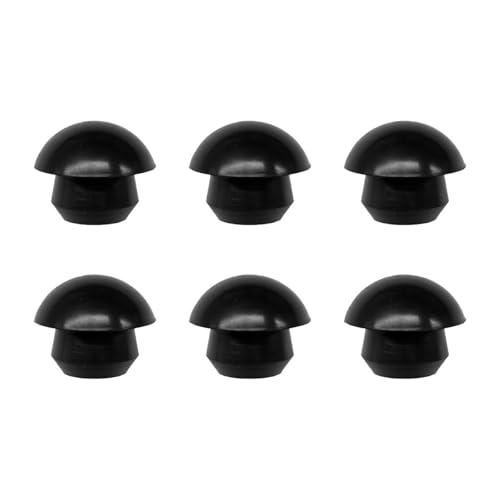
- ✓ secure seal, quick install
- ✓ compact, portable
- ✓ durable rubber compound
- ✕ not for non-8mm holes
- ✕ limited color/finish options
| Material | High-quality rubber |
| Diameter (hole) | 8 mm (0.31 inches) universal hole |
| Dimensions (WxH) | 0.51 x 0.43 inches |
| Sealing Purpose | Seals oil holes to prevent leakage and maintain oil supply |
| Installation Method | Conical plug design; press-in installation without tools |
| Compatibility / Range of Use | Suitable for most hydraulic floor jacks (horizontal bottle/jack variants) |
You might have believed these little plugs are all the same, just rubber stoppers with a generic fit. this 8 mm plug from Tuxihapp changes that vibe the moment you handle it.
the conical tip slides into the oil hole with a reassuring little click, and you can feel the seal bite as you press it in.
i actually worked a couple of maintenance sessions with a floor jack that tended to leak a tiny bit at the fill port. this plug held steady, no wiggle, no seepage.
the rubber mix stays pliable in heat and cold, so you don’t have to worry about cracking after a winter job or a hot garage day.
the size is worth noting: 0.51 x 0.43 inches and 8 mm hole compatibility. it’s compact enough to stash in a toolbox pocket, yet sturdy enough to resist rips during repeated removals.
installation takes just a second: push in, check the snug fit, and you’re good to go.
what stood out is how forgiving it is if your jack’s fill hole isn’t perfectly clean. a quick wipe, a quick press, and the seal holds.
you’ll save time during routine top-offs or emergency quick fixes, without juggling extra tools.
in daily use, this plug stays low-profile but reliable. you’ll appreciate the universal fit when you’re juggling different jacks or a spare in the trunk.
it’s a small part, but it removes one more potential oil-leak headache.
overall, it’s a practical, no-frills upgrade that feels built to last. for a quick, repeatable seal, you’ll reach for this first.
What Is Hydraulic Fluid and Why Is It Important for a Floor Jack?
Hydraulic fluid is defined as a medium used in hydraulic systems to transmit power through the application of pressure. It usually consists of oil-based or water-based solutions that possess specific properties, including lubrication, corrosion resistance, and thermal stability. In the context of a floor jack, hydraulic fluid is crucial for the operation of the hydraulic mechanism that lifts heavy loads.
According to the American Society of Mechanical Engineers (ASME), hydraulic fluids must meet certain specifications to ensure efficiency and safety in hydraulic applications. The selection of an appropriate hydraulic fluid is vital for maintaining the performance and longevity of hydraulic equipment, including floor jacks, which rely on this fluid to generate the necessary lifting force.
Key aspects of hydraulic fluid include its viscosity, which affects how easily it flows under pressure; its lubricating properties, which prevent wear and tear on the hydraulic components; and its ability to dissipate heat, which helps avoid overheating during operation. Additionally, hydraulic fluids may contain additives to enhance their performance, such as anti-wear agents and anti-oxidants. The right viscosity grade is particularly important, as it must be suitable for the operating temperature range of the floor jack.
The choice of hydraulic fluid has significant implications for performance and safety. Using a high-quality hydraulic fluid can enhance the lifting capacity of a floor jack, reduce the risk of leaks, and prolong the lifespan of the hydraulic seals and components. Conversely, using inferior or incorrect fluid can lead to hydraulic failure, which poses safety risks when lifting heavy objects. For example, a study by the National Institute for Occupational Safety and Health (NIOSH) suggests that improper maintenance of hydraulic systems can lead to equipment malfunctions, which account for a notable percentage of workplace injuries related to lifting equipment.
Benefits of using the best hydraulic fluid for a floor jack include improved efficiency in lifting operations, reduced maintenance costs due to lesser wear and tear, and enhanced safety for users. Proper hydraulic fluid not only ensures that the floor jack operates smoothly but also helps in preventing potential accidents caused by equipment failure. Additionally, the fluid contributes to better energy efficiency, which is beneficial in both operational costs and environmental impact.
To ensure optimal performance, it is recommended to regularly check and change the hydraulic fluid in floor jacks according to the manufacturer’s guidelines. Using fluids that meet industry standards, such as ISO 32 or ISO 46 hydraulic oils, is advisable for most applications. It’s also essential to keep the fluid clean and free from contaminants, which can degrade its performance and lead to system failures. Implementing these best practices can significantly enhance the reliability and safety of hydraulic systems in floor jacks.
What Are the Main Types of Hydraulic Fluids Available for Floor Jacks?
The main types of hydraulic fluids available for floor jacks include:
- Mineral Oil-Based Fluids: These are the most commonly used hydraulic fluids, derived from refining crude oil. They offer good lubricating properties and are effective at transferring force, but they may require additives to improve oxidation stability and prevent corrosion.
- Water-Based Fluids: These fluids primarily consist of water mixed with additives to enhance performance, such as anti-corrosion agents. They are less flammable than oil-based fluids and can be more environmentally friendly, but they may not provide the same level of lubrication and can be prone to rusting if not properly maintained.
- Biodegradable Fluids: Made from renewable resources or modified vegetable oils, biodegradable hydraulic fluids are designed to minimize environmental impact. They offer decent lubricating properties and can be an excellent choice for applications in sensitive environments, although they may be more expensive than conventional fluids.
- Synthetic Fluids: These fluids are chemically engineered to provide superior performance characteristics, such as higher thermal stability and lower flammability. They can operate effectively in extreme temperatures and provide excellent lubrication, but they often come at a higher cost than traditional fluids.
- Water-Glycol Fluids: A type of water-based fluid that includes glycol, these offer a balanced solution with good fire resistance and anti-corrosive properties. While they are effective in preventing corrosion and providing stability, their lubricating properties may not be as robust as mineral oils.
How Does Mineral-Based Hydraulic Fluid Compare to Other Types?
| Type | Viscosity | Temperature Range | Environmental Impact | Applications | Material Compatibility |
|---|---|---|---|---|---|
| Mineral-Based | Typically ISO 32 to ISO 68. | -20°C to 60°C; good for moderate conditions. | Biodegradable options available; less toxic. | Commonly used in floor jacks and general machinery. | Compatible with most metals and seals; may degrade some plastics. |
| Synthetic | Higher viscosity stability; ISO 46 to ISO 100. | -40°C to 120°C; excellent for extreme temperatures. | Often more environmentally friendly; can be toxic. | Used in high-performance hydraulic systems and extreme environments. | Highly compatible with various materials, including plastics. |
| Biodegradable | Varies; typically ISO 32 to ISO 68. | -20°C to 50°C; limited range. | Low toxicity; designed for minimal environmental impact. | Ideal for environmentally sensitive applications like forestry and agriculture. | Compatible with many materials but check specific formulations. |
What Are the Advantages of Using Biodegradable Hydraulic Fluid?
The advantages of using biodegradable hydraulic fluid are significant for both environmental health and equipment performance.
- Environmental Protection: Biodegradable hydraulic fluids are designed to break down naturally in the environment, reducing the risk of soil and water contamination. This is particularly important in applications where spills can occur, such as in construction or maintenance tasks.
- Reduced Toxicity: Many biodegradable hydraulic fluids are formulated with non-toxic ingredients, making them safer for both users and wildlife. This means that in the event of a spill, there is a lower risk of harming aquatic life and ecosystems compared to traditional petroleum-based fluids.
- Enhanced Equipment Longevity: Biodegradable fluids often contain additives that can provide better lubrication and reduce wear on hydraulic components. This can lead to a longer lifespan for equipment such as floor jacks, lowering maintenance costs over time.
- Improved Performance in Extreme Conditions: Some biodegradable hydraulic fluids are engineered to perform well in a wider range of temperatures and conditions. This can be advantageous in applications where equipment is used outdoors or in varying climates, ensuring reliable operation.
- Regulatory Compliance: Using biodegradable hydraulic fluids can help companies meet environmental regulations and sustainability goals. This can enhance a company’s reputation and may even be a requirement in certain regions where environmental standards are stringent.
When Should You Use Water-Based Hydraulic Fluid for Your Floor Jack?
Water-based hydraulic fluids are suitable for specific applications and conditions when using a floor jack.
- Environmental Considerations: In situations where spills could harm the environment, water-based hydraulic fluids are preferable as they are less toxic and biodegradable.
- Temperature Sensitivity: If the operating environment is relatively cool, water-based hydraulic fluids may be used effectively, given their ability to perform under lower temperature conditions without significant viscosity changes.
- Non-Flammability: Water-based fluids are non-flammable, making them a safer option in workshops or garages where flammable materials might be present, reducing the risk of fire hazards.
- System Compatibility: When the hydraulic system is designed to accommodate water-based fluids, using them ensures compatibility and optimal performance, preventing potential damage to seals and components.
- Cost-Effectiveness: Water-based hydraulic fluids are often less expensive than petroleum-based options, making them a budget-friendly choice for those who require hydraulic fluids for less demanding applications.
How Do You Select the Best Hydraulic Fluid for Your Specific Floor Jack?
Selecting the best hydraulic fluid for your floor jack involves considering several important factors to ensure optimal performance and longevity.
- Viscosity: The viscosity of the hydraulic fluid is crucial as it affects the fluid’s ability to flow and operate efficiently in different temperatures. A fluid with the correct viscosity will provide better lifting performance and protect components from wear.
- Compatibility: It’s essential to choose a hydraulic fluid that is compatible with the materials used in your floor jack, such as seals and hoses. Using a fluid that can cause degradation of these materials can lead to leaks and failure of the jack.
- Temperature Range: The operational temperature range of the hydraulic fluid should match the environment where the floor jack will be used. Fluids designed for extreme temperatures will perform better and maintain their properties, ensuring safe and effective lifting.
- Additives: Some hydraulic fluids contain additives that enhance performance, such as anti-wear agents and rust inhibitors. These additives can help prolong the life of your floor jack by protecting against corrosion and reducing friction between moving parts.
- Manufacturer Recommendations: Always refer to the manufacturer’s specifications for the floor jack when selecting hydraulic fluid. Following these guidelines ensures that you are using a fluid that meets the design requirements, which can help maintain warranty coverage and performance reliability.
What Are the Consequences of Using Incorrect Hydraulic Fluid in a Floor Jack?
Using incorrect hydraulic fluid in a floor jack can lead to several detrimental consequences.
- Decreased Performance: When the wrong hydraulic fluid is used, it can result in poor performance of the jack, such as slow lifting or difficulty in holding loads. This is because the viscosity of the fluid may not be suitable for the hydraulic system, leading to inefficient pressure transfer.
- Increased Wear and Tear: Incorrect fluids can cause unnecessary wear on the internal components of the jack, such as seals and pumps. This can lead to premature failure and may require costly repairs or replacement of parts.
- Overheating: Using an unsuitable hydraulic fluid can lead to overheating, as the fluid may not dissipate heat effectively. Overheating can damage the hydraulic system and compromise the safety and reliability of the floor jack.
- Corrosion: Some hydraulic fluids contain additives that can cause corrosion if not matched to the jack’s materials. This can lead to leaks, reduced performance, and eventual failure of the jack.
- Safety Risks: If a floor jack fails due to incorrect hydraulic fluid, it can create serious safety hazards. The jack may collapse unexpectedly under load, risking injury to users and damage to vehicles or equipment.
How Often Should You Change the Hydraulic Fluid in Your Floor Jack?
Changing the hydraulic fluid in your floor jack is crucial for its performance and longevity.
- Frequency of Change: It is generally recommended to change the hydraulic fluid every 1-2 years, depending on usage.
- Signs of Contamination: If you notice the fluid appears dark or has debris, it’s time for a change regardless of the time frame.
- Type of Hydraulic Fluid: Using the best hydraulic fluid for a floor jack can enhance performance and prevent damage.
- Manufacturer Recommendations: Always refer to your floor jack’s manual for specific guidelines regarding fluid change intervals and types.
The frequency of changing the hydraulic fluid can depend on how often and heavily the floor jack is used. For heavy users, annual changes may be more appropriate, while casual users might change it every couple of years. Regular maintenance helps ensure that the jack operates smoothly and safely.
Signs of contamination include changes in color, such as darkening, or the presence of particles in the fluid. These indicators suggest that the fluid has degraded and may no longer function effectively, risking the integrity of the hydraulic system. If you observe any of these signs, it’s best to change the fluid immediately to avoid potential jack failure.
Choosing the best hydraulic fluid for your floor jack is important as it can affect the jack’s efficiency and longevity. Look for fluids specifically designed for hydraulic systems that meet or exceed the manufacturer’s specifications for optimal performance and reliability. Using the wrong type of fluid can lead to decreased performance and possible damage to internal components.
Manufacturer recommendations are critical as they provide tailored guidelines based on the design and materials of your specific floor jack. Following these recommendations ensures compatibility and optimal performance, reducing the risk of malfunctions. If the manual is unavailable, you can usually find this information online or by contacting the manufacturer directly.
Related Post: