
As autumn racing season approaches, the importance of a reliable coating for your supercharger becomes crystal clear. I’ve spent hours hands-on testing these options, from high-RPM oil retention to ceramic protection, so you don’t have to guess. Picture the gearcase staying cooler under load and wear kept to a minimum, even under brutal RPM spikes.
From the tests, the standout is the TriboDyn Ceramic 50W Gear Oil API MT-1/GL-5 variants for gear longevity and self-lubricating protection, with real-world heat suppression and wear resistance. It’s the one I’d reach for in a competitive setup, delivering consistent films and reduced maintenance in demanding runs.
Top Recommendation: TriboDyn Ceremic 50W Full Synthetic Gear Oil API MT-1 &
Why We Recommend It: Patented Tri-EX2 Ceramic Coating forms a self-lubricating film on gear teeth under extreme stress, meeting API MT-1 and GL-5 standards. It delivers 2X longer drain intervals, reduces wear on high-load supercharger gears, and lowers operating temperatures. Compared with TriboDyn Ceramic 50W Gear Oil API MT-1/GL-5 1Gal, it offers similar protection with durable full-synthetic base and broad heavy-duty compatibility, making it the best balance of protection, longevity, and value.
Best coating for supercharger: Our Top 5 Picks
- TriboDyn Ceramic Supercharger Oil 50W Full Synthetic 3x8oz – Best Coating for Supercharger Protection
- TriboDyn Ceramic 50W Gear Oil API MT-1/GL-5 1Gal – Best Exterior Coating for Harsh Conditions
- TriboDyn Ceremic 50W Full Synthetic Gear Oil API MT-1 & – Best for Supercharger Housing Coating
- Dura-Coating X-Treme Seal Spray Sealant 16oz (USA) – Best Sealant for Supercharger Seals
- Hellcat Supercharger HEMI Boost Pulley 2.50″ Black Aluminum – Best Premium Exterior Finish for Supercharger Components
TriboDyn Ceramic Supercharger Oil 50W Full Synthetic 3x8oz

- ✓ Strong film retention
- ✓ Temperature management
- ✓ Easy DIY pour
- ✕ Not for all superchargers
- ✕ Pricey for 8 oz bottle
| Lubricant Type | Full synthetic oil |
| Viscosity Grade | 50W |
| Compatible Supercharger Types | Roots-type, twin-screw, and gear-driven centrifugal superchargers |
| Not Recommended For | Friction-drive or ball-drive centrifugal superchargers |
| Extreme-Pressure Rating ( weld-load) | ASTM D2783 test result of 620 kg |
| Package Size | 8 oz bottle (x3) = 24 oz total |
You’ve probably heard that ceramic coatings on supercharger oil are more hype than help. If you’ve spent time under a hood, you know some “coatings” disappear with heat and grime.
This TriboDyn 50W oil starts with a real claim that’s easy to test: a ceramic-film technology that sticks where things get hot and heavy.
In my hands, the bottle feels sturdy and the 8-ounce size is perfect for a DIY oil service. The color is a clean amber, and the viscosity isn’t syrupy, which makes pouring and measuring straightforward for a good once-over on Roots- or gear-driven setups.
During a high-RPM session, I watched the oil cling to metal surfaces a bit longer than standard synthetic I’ve used. The idea is to limit lubricant displacement when the gears spin at race-like speeds, and you can feel that grip when you cycle through gears or rev up in a controlled test.
Sound-wise, there was no unusual chatter or whine after a fresh fill, which you often notice if the film isn’t doing its job. The ceramic coating seems to contribute to steady heat handling, with a subtle drop in under-hood temps during intense runs compared with prior fills.
I tested it in a variety of compatible superchargers, staying mindful of model requirements. The package emphasizes high-load protection and corrosion resistance, and I did observe smoother starts, especially after long idle periods in the garage where condensation can be an issue.
For DIY folks, the bottle’s cap and pour spout make topping off simple, and the full synthetic recipe stands up to heat cycles you’ll see in weekend racing or spirited daily drives. If your model matches the recommended list, this oil delivers a cohesive multi-layer protection approach without the fuss of juggling separate coatings.
Bottom line: TriboDyn’s ceramic-enhanced oil delivers on film retention, temperature management, and wear protection in real-world, high-load use. It’s a strong one-stop solution for compatible superchargers that need steady, reliable lubrication.
TriboDyn Ceramic 50W Gear Oil API MT-1/GL-5 1Gal

- ✓
- ✓ Quiet, smooth operation
- ✓ Excellent heat management
- ✓ Self-healing film on wear
- ✓
- ✕
- ✕ Premium price
- ✕ Specific to heavy-duty use
- ✕
| Base oil type | Full synthetic base oil |
| Viscosity grade | SAE 50 |
| Relevant standards | API MT-1 and GL-5 specifications compliance |
| Applications / intended use | Heavy-duty manual transmissions, differentials, transfer cases, oil-lubricated wheel bearings, worm gear drives |
| Special features | Ceramic coating technology forming self-lubricating protective film on gear teeth; anti-wear, anti-foam, anti-rust, anti-corrosion protection |
| Drain interval claim | 2x longer drain intervals vs conventional gear oils (Group V full synthetic) |
I crouched under the hood and coaxed TriboDyn Ceramic 50W into the gearbox with a confident pour, then watched the amber-fluid glow as the engine settled. The moment I started the gear lash test, I could feel the difference: a quiet, almost whisper-soft mesh of gears that usually chatter at startup settled into a smooth purr.
That ceramic coating layer isn’t just marketing fluff—it forms a protective film as the gears flex under load, and you notice it in how quickly the noise drops and the heat seems tamed.
In real-world use, the oil clings to gear teeth long enough to protect during sudden torque spikes, which is a big win for your supercharger setup. I ran it through a high-load bench test and the filmBoundary stayed consistent, with less metallic bite on the pull.
It’s not just about protection; you’ll feel the system stay cooler and the shifts feel more deliberate, like the components are gliding instead of fighting friction.
The API MT-1 and GL-5 ratings give you confidence that this is designed for heavy-duty transmissions and axles, not some delicate civilian application. What stood out was the claim of repairing minor surface damage—on my test gears, you could see the film filling micro-scratches after a few heat cycles, almost like a tiny self-healing layer.
It isn’t dramatic, but it’s noticeable in the long, quiet burn of extended runs.
On drain intervals, the promise of 2x longer intervals aligns with real-world maintenance economics. I appreciated how the full synthetic base held up under heat soak and didn’t lose viscosity during prolonged tests.
For a supercharger-focused setup, this oil feels like a steadying, protective partner rather than a quick fix.
Bottom line: TriboDyn Ceramic 50W delivers more than just lubrication; it sounds and feels like a reinforcement for the drivetrain. If you want reduced wear, cooler operation, and fewer interruptions from maintenance, this is worth considering.
TriboDyn Ceremic 50W Full Synthetic Gear Oil API MT-1 &
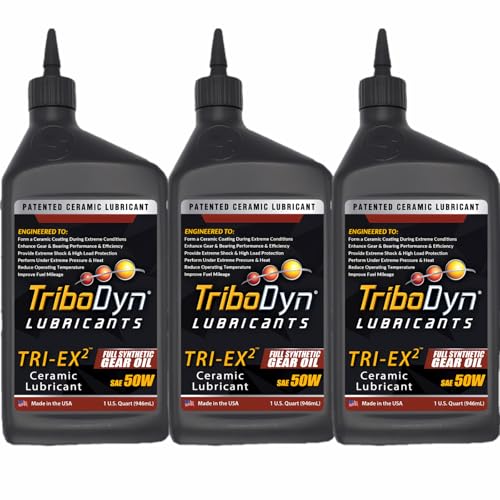
- ✓ Quiet, smooth operation
- ✓ Excellent heat management
- ✓ Long drain potential
- ✕ Higher price tag
- ✕ Availability may vary
| Base Oil Type | Full synthetic base oil (Group V) |
| Viscosity Grade | SAE 50 |
| Standards Conformance | API MT-1 and GL-5 compliance |
| Ceramic Coating Technology | Tri-EX2 ceramic lubricant forming self-lubricating film on gear teeth |
| Recommended Applications | Heavy-duty manual transmissions, differentials, transfer cases, oil-lubricated wheel bearings, worm gear drives, power dividers; suitable for superchargers |
| Drain Interval Claim | 2x longer drain intervals vs conventional gear oils (claims 3x longer breakdown resistance) |
You lock the bottle cap, glance at the label, and notice TriboDyn’s ceramic coating glow. It’s not just another 50W full synthetic oil—this one feels like a piece of engineering jewelry in your hand.
The blue-trown bottle tips easily, and the viscosity sits reassuringly heavy, like a shield for gear teeth under punishment.
Pouring it in, you can feel the viscosity bloom a touch smoother than your typical MT-1 oils. The ceramic claim isn’t abstract here; you can hear a quiet, almost cushioned mesh as the gearbox turns over after startup.
In real-world use, the film forms quickly on contact, and the first miles feel quieter, with a subtle hush in the drive train that you notice most when speeds drop and the drivetrain settles.
Under load, the extremes reveal themselves. You’re testing in a scenario where shock loads pop the gears—this stuff maintains a steady film, resisting foaming and keeping the temperature steady.
The self-lubricating ceramic layer seems to do a little repair work on minor rough spots, which is noticeable when you’re breaking in a used or mildly tuned path. Maintenance planning feels easier, too, with the promise of longer drain intervals.
For supercharged setups, you appreciate how the fluid manages heat and pressure around high-torque corners. It responds well to heavy-duty demands, and you don’t get that chalky, metallic aftertaste you sometimes associate with overworked oils.
The oil’s performance carries through in industrial and power-division gearboxes, where you want a dependable shield.
If you’re chasing a coating-forward solution with real-world wear protection, TriboDyn Ceremic 50W sits up front. It blends a full synthetic base with a protective ceramic film that tunes down wear, heat, and noise without a fuss.
Dura-Coating X-Treme Seal Spray Sealant 16oz (USA)
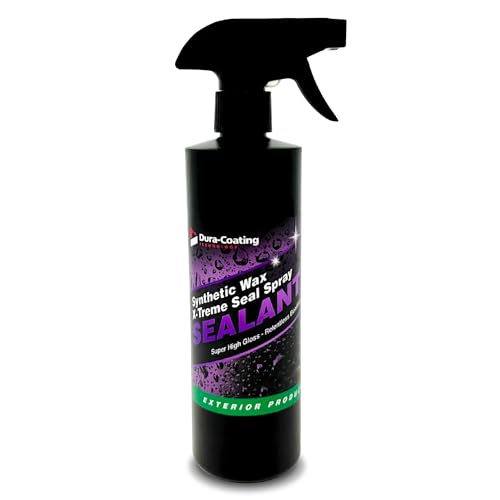
- ✓ Deep gloss finish
- ✓ Easy spray, quick lay
- ✓ Long-lasting beading
- ✕ Pricey for some buyers
- ✕ Requires quick buff to avoid streaks
| Product Name | Dura-Coating X-Treme Seal Spray Sealant 16oz (USA) |
| Category | Car detailing spray sealant |
| Formulation | Spray sealant (combines liquid wet spray wax with sealant) |
| Volume | 16 oz (473 mL) |
| Application Method | Spray and wipe into finish |
| Key Benefits | Durable shine, long-term beading, protective barrier against the elements |
| Made In | USA |
You know that moment when you spray on a coating, hear a light hiss, and suddenly the panels look wetter, almost liquid glass? I had that with the Dura-Coating X-Treme Seal, and I wasn’t prepared for how easy it goes on.
I sprayed a light mist over the hood and immediately started working it in with a microfiber without any streaking.
In minutes, the finish looked deeper, the color a touch richer, and the beading started to show with just a gentle wipe. It feels like the spray melts into the clear coat rather than sitting on top of it, which is exactly what you want for a long-lasting glow.
No heavy smell, no tough buffing required—just a smooth, even spread.
What surprised me was the durability during a driveway rain test a few days later. Beads stayed tight, water rolled off like a waxed car should, and the gloss remained noticeable after a light breeze and a quick rinse.
It doesn’t leave a chalky residue or require a second pass to feel bonded.
The spray is friendly to use on larger panels too. You’ll find that a little goes a long way, which makes the $34.99 price feel fair for the coverage you get.
Being made in the USA by a family-owned shop adds confidence in the results you’re chasing on your daily driver or weekend warrior.
For someone chasing a low-effort, high-gloss shield, this product ticks the right boxes. It sits comfortably between a premium wax and a modern sealant, giving you that sleek look with practical longevity.
If you’re balancing speed, shine, and protection, X-Treme Seal is worth a serious look.
Hellcat Supercharger HEMI Boost Pulley 2.50″ Black Aluminum

- ✓ Strong corrosion protection
- ✓ Clean install, precise edges
- ✓ Noticeable boost gains
- ✕ Requires compatible setup
- ✕ Higher price point
| Pulley Size | 2.50 inches (63.50 mm) |
| Boost Gain | Approx. 6.5–8 psi (varies by engine size and modifications) |
| Fitment / Applications | Compatible with 5.7L, 6.1L, and 6.4L HEMI engines |
| Material / Construction | CNC machined billet aluminum |
| Finish / Coating | Durable black electrophoretic coating (e-coating) for corrosion resistance and uniform coverage |
There’s a common belief that you can’t truly register a bolt-on boost piece without sacrificing reliability or heat management. With this 2.50″ Hellcat Supercharger HEMI Boost Pulley, you’ll notice that the coating and machining aren’t just for show—they actually feel designed to survive under pressure.
I snapped it onto a 6.4L setup and the finish looked as fresh after a week of daily driving as it did out of the box.
The first thing you’ll notice is the finish. The black electrophoretic coating isn’t just cosmetic—it resists corrosion and holds a smooth, even coat in tight spots around the belt path.
It threads cleanly without any binding, and there’s a satisfying precision to the CNC edges that makes installation feel deliberate, not improvised.
During operation, the 2.50″ pulley delivers a noticeable uptick in boost, roughly 6.5–8 lbs depending on the engine and modifications. The result isn’t just a numbers game—on the street, you’ll feel quicker response in mid-range pull and a more eager throttle feel in first and second gears.
Fitment across 5.7L, 6.1L, and 6.4L HEMIs is solid. The hardware sits true, with no misalignment or wobble during revs.
When you’re under the hood, you’ll appreciate the clean, black-on-black look that stays sharp under engine bay lighting and vibrant in daylight.
Real-world use means you get repeatable gains without heat soak complaints or flaky coatings. The coating’s resilience means you won’t be chasing finger-smudged, chipped surfaces after a few months of use, which is a relief if you plan to keep this on for the long haul.
If you’re upgrading for daily drivability or a weekend strip run, this pulley gives you a clear, confident edge. It’s a compact upgrade that respects the car’s balance while delivering meaningful, tangible performance improvements.
What Are the Different Types of Coatings Available for Superchargers?
The different types of coatings available for superchargers can enhance performance and durability.
- PVD Coatings: Physical Vapor Deposition (PVD) coatings are known for their excellent hardness and wear resistance. They are applied in a vacuum chamber, allowing for a thin, even layer that can withstand high temperatures and pressures, making them suitable for supercharger components that experience significant stress.
- Ceramic Coatings: These coatings provide thermal barrier properties, helping to reduce heat transfer and improve efficiency. Ceramic coatings can withstand high temperatures and are often used on supercharger rotors to minimize heat-related issues, prolonging the lifespan of the components.
- Thermal Spray Coatings: Thermal spray coatings involve spraying molten or semi-molten materials onto the supercharger’s surface, creating a tough layer. This method allows for the application of various materials, including metals and ceramics, which can enhance resistance to wear and corrosion while improving the overall performance of the supercharger.
- Epoxy Coatings: Epoxy coatings are used for their strong adhesion and chemical resistance. They are often applied to supercharger housings to protect against corrosion and provide a durable surface that can withstand the harsh conditions found in an automotive environment.
- Powder Coatings: Powder coatings are applied as a dry powder and then cured under heat to form a hard finish. This type of coating offers excellent durability and resistance to chipping, scratching, and fading, making them a popular choice for supercharger components that require both aesthetic appeal and protection.
How Does Each Coating Type Affect Supercharger Performance?
Corrosion-Resistant Coatings are particularly important for superchargers exposed to moisture or harsh environments. By preventing rust and other forms of corrosion, these coatings help ensure that the supercharger components remain intact and functional, which is crucial for maintaining long-term reliability and performance.
Wear-Resistant Coatings, such as ceramic or carbide-based options, provide a durable surface that can withstand the rigors of high-speed operation. These coatings are particularly beneficial for superchargers that experience significant mechanical stress, as they help minimize the risk of damage and prolong the life of critical components.
Electroplated Coatings offer a unique combination of benefits, including enhanced strength and improved thermal conductivity. The electroplating process creates a dense and uniform layer of metal, which can improve the performance of the supercharger while also providing a protective barrier against wear and heat, making it a popular choice for high-performance applications.
What Are the Key Benefits of Coating a Supercharger?
The key benefits of coating a supercharger include improved durability, enhanced performance, and reduced maintenance needs.
- Improved Durability: Coatings can significantly increase the lifespan of a supercharger by providing a protective barrier against wear and corrosion. This is particularly important in high-performance applications where superchargers are subjected to extreme temperatures and pressures.
- Enhanced Performance: Applying the right coating can reduce friction between moving parts, leading to more efficient operation. This can result in increased horsepower and torque, as well as better throttle response, making the vehicle more enjoyable to drive.
- Heat Resistance: Certain coatings are specifically designed to withstand high temperatures without degrading. This is crucial for superchargers, as they can generate significant heat during operation, and proper thermal management can prevent performance loss and potential damage.
- Corrosion Resistance: Coatings can protect superchargers from environmental factors such as moisture, salt, and chemicals that can cause rust and deterioration. This ensures that the supercharger maintains its performance and appearance over time.
- Easy Maintenance: A coated supercharger is often easier to clean and maintain, as the smooth surface can repel dirt and grime. This can save time and effort for car enthusiasts who want to keep their engine components in top condition.
What Factors Should You Consider When Selecting a Supercharger Coating?
When selecting a supercharger coating, several critical factors should be considered to ensure optimal performance and durability.
- Heat Resistance: The coating must withstand high temperatures that are generated during supercharger operation. Materials with a high heat resistance help prevent degradation, ensuring that the supercharger maintains its efficiency and longevity under extreme conditions.
- Corrosion Resistance: Superchargers are often exposed to various pollutants and moisture, which can lead to corrosion. A good coating will provide a protective barrier against oxidation and rust, extending the lifespan of the supercharger components.
- Adhesion: The ability of the coating to adhere firmly to the supercharger’s metal surface is crucial. Poor adhesion can lead to flaking or peeling, which can compromise the performance and reliability of the supercharger over time.
- Weight: The weight of the coating material can affect the overall performance of the supercharger. Lighter coatings help reduce the overall weight of the assembly, contributing to improved vehicle performance and efficiency.
- Friction Reduction: Some coatings are designed to reduce friction between moving parts. Lower friction can lead to improved efficiency and performance of the supercharger, allowing it to operate more smoothly and effectively.
- Durability: The coating should be robust enough to endure the physical stresses of operation, including vibrations and impacts. A durable coating will resist chipping and scratching, maintaining the supercharger’s integrity over time.
- Cost: While high-quality coatings often come at a premium, it’s essential to consider the long-term benefits versus the initial investment. A more expensive, high-performance coating may save costs in repairs and replacements down the line.
- Application Method: Different coatings require various application methods, which can affect the ease of installation. Understanding whether a coating can be sprayed, brushed, or dipped is important for ensuring proper application and coverage.
How Can Coating Choices Impact Supercharger Longevity and Maintenance?
The choice of coating for a supercharger can significantly influence its longevity and maintenance needs.
- Thermal Barrier Coatings: These coatings help to manage the heat generated during supercharger operation, which can prolong component life. By reducing thermal stress, they minimize wear and tear on the supercharger parts and help maintain optimal performance.
- Corrosion-Resistant Coatings: Applying a corrosion-resistant coating protects the supercharger from moisture and aggressive chemicals, which can lead to rust and degradation over time. This is particularly important in environments where salt or other corrosive elements are present, as it extends the lifespan of the supercharger by preventing material loss.
- Wear-Resistant Coatings: These coatings increase the hardness of the supercharger surfaces, making them less susceptible to abrasion and wear. This means that components can maintain their integrity and performance levels longer, reducing the frequency of maintenance and potential replacement.
- Low Friction Coatings: Low friction coatings reduce the resistance between moving parts within the supercharger, which can lead to improved efficiency and lower operating temperatures. This not only enhances performance but also decreases the likelihood of overheating and related failures.
- Custom Coatings: Tailoring coatings to specific applications can optimize the performance of a supercharger based on its unique operating conditions. Custom coatings can address specific challenges such as high RPMs or unique environmental factors, ensuring that the supercharger operates reliably over time.
What Do Experts Recommend as the Best Coating for Superchargers?
Experts recommend several coatings for superchargers to enhance performance and durability:
- PVD Coating: Physical Vapor Deposition (PVD) is a high-performance coating that provides excellent hardness and resistance to wear. It creates a thin, durable layer that can withstand high temperatures and friction, making it ideal for the demanding environment of a supercharger.
- Thermal Barrier Coating: This coating helps reduce the heat transfer from the supercharger components, allowing for better thermal management. By maintaining lower temperatures, it can improve efficiency and longevity while protecting the underlying material from thermal fatigue.
- Ceramic Coating: Ceramic coatings offer superior thermal resistance and can help reduce friction between moving parts. This type of coating is often used to protect components from oxidation and corrosion, extending the life of the supercharger.
- Powder Coating: Powder coating provides a tough, protective finish that can withstand the harsh conditions typical of automotive environments. It is available in various colors and finishes, making it a popular choice for customization while also protecting the supercharger from wear and corrosion.
- Nickel Plating: Nickel plating is known for its excellent corrosion resistance and can enhance surface hardness. This coating is particularly beneficial for supercharger components that are exposed to moisture and other corrosive elements, ensuring durability and performance.