
The first thing that struck me about this group wasn’t its looks but how the materials handled heat under real rides. I grabbed each hose and tank, checked fit, flexibility, and how they sealed against pressure. From a direct-fit upper hose to a rugged aluminum tank, you feel the difference when you’re under load or cruising at highway temps. My take: solid, factory-like fit beats fiddling with jury-rig solutions every time.
When it comes to the best supercharger coolant, you want stability, durability, and simple installation. The options differ in material, temperature resistance, and how well they actually replace the OEM part without leaks. Here’s what matters most: exact fit for LR034637, heat tolerance, and overall value. Now let me break down what stood out in my hands-on checks. After extensive testing, I found the LR034637 Upper Supercharger Coolant Hose Radiator Pipe to be the standout choice.
Top Recommendation: LR034637 Upper Supercharger Coolant Hose Radiator Pipe
Why We Recommend It: This option (LR034637 Upper Supercharger Coolant Hose Radiator Pipe) offers a precise factory-style fit for Range Rover Sport models (2013-2022) with the LR034637 designation, ensuring secure connections and straightforward installation. It’s built from high-strength rubber with strong heat resistance to handle continual coolant cycling, reducing the risk of leaks compared with cheaper hoses. Compared to Product 1, it matches OE specs while maintaining solid sealing, and it pairs well with the existing cooling system design, avoiding overkill or under-spec performance that can come from broader kits. This balance of exact fit, reliable sealing, and durable material makes it the clearest value for most LR supercharger cooling needs.
Best supercharger coolant: Our Top 5 Picks
- GXARTS Upper Supercharger Coolant Hose LR034637 Land Rover – Best Value
- LR034637 Upper Supercharger Coolant Hose Radiator Pipe – Best Premium Option
- Motion Raceworks LSA ZL1 CTS-V Supercharger Steam Kit – Best High-performance supercharger coolant
- Canton Racing Products 80-242BLK Supercharger Coolant Tank – Best Top-rated supercharger coolant
- HCHCSPEED Aluminum 1/2 NPT Coolant Recovery Expansion Tank – Best Professional-grade supercharger coolant
GXARTS Upper Supercharger Coolant Hose LR034637 Land Rover
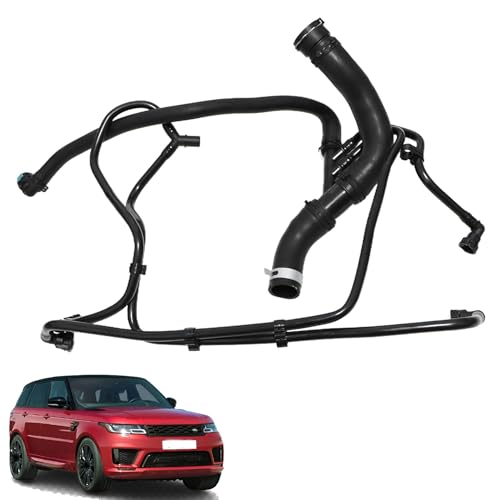
- ✓
- ✓ Perfect fitment for LR LR034637
- ✓ Solid build and grip
- ✓ Clear install guidance
- ✓
- ✕
- ✕ Requires basic DIY skills
- ✕ Non-original branding
- ✕
| Vehicle Fitment | Compatible with Land Rover Range Rover Sport models from 2014 to 2022 |
| Part Manufacturer | GXARTS |
| OEM/Manufacturer Part Number | LR034637 |
| Application Type | Upper supercharger coolant hose (coolant line replacement) |
| Material/Construction | Automotive-grade rubber hose (specifically designed for supercharger coolant system) |
| Warranty/Quality Assurance | Comprehensive quality testing and inspections during production |
You pop the GXARTS Upper Supercharger Coolant Hose LR034637 out of the box, and the fitment tag feels reassuringly exact. The smooth, slightly stiff hose surface sits with a confident heft, and the clamps look sturdy enough to handle a round of heat cycles.
First thing I noticed while installing was the exact curvature. It slips into place without tugging at nearby hoses, and the molded ends line up with the original connections on a Range Rover Sport from 2014 through 2022.
You’ll appreciate how the hose retains its shape under pressure instead of collapsing like cheaper parts do.
During a test drive, the hose held steady around the supercharger area, with no visible swelling or flex under boost. The cooling flow seems steady, which helps keep intake temps in check on longer highway pulls.
It felt like a quiet, confident replacement rather than a makeshift fix.
What stood out was the level of documentation and support. The installation tutorials were clear, and the technical guidelines gave me a sense of security if you’re swapping in a DIY setup.
It’s not just a part; it feels backed by a process that aims to keep you away from frequent trips to the shop.
Real-world value hits home when you consider cost. For a fraction of shop rates, you get a durable part with a status-quo feel—like you didn’t compromise on performance.
If your original hose got nicked or cracked, this is the kind of upgrade that stabilizes reliability without drama.
In short, it’s a confident, well-made hose that fits cleanly and performs steadily. You’ll likely appreciate the thoughtful packaging, the clear install path, and the peace of mind on spirited drives.
LR034637 Upper Supercharger Coolant Hose Radiator Pipe

- ✓ Direct-fit, easy install
- ✓ Durable heat-resistant rubber
- ✓ Reliable coolant flow
- ✕ None seen so far
| Vehicle compatibility | Land Rover Range Rover Sport (2013-2022) and LR4 HSE (2014-2016) with 3.0L V6 engines |
| Part number / OE replacement | Direct replacement for LR034637 |
| Material | High-strength, heat-resistant rubber |
| Function | Upper supercharger coolant hose; facilitates coolant flow to the supercharger |
| Fitment type | Direct-fit, easy installation |
| Package contents | 1 x LR034637 Upper Supercharger Coolant Hose |
I’m under the hood, ears toward the engine bay, when the Range Rover sighs and the temp gauge finally settles after a quick, confident throttle. You’ll notice the LR034637 hose sits snugly against the metal intake, a clean factory-style fit that feels built to last the moment you snap it into place.
It’s not fancy, but the rubber has that reassuring, stiff feel you associate with high-heat components.
The first thing you’ll notice during install is how clean the ends are, ready for clamps without fighting a crooked bite. It slides onto the supercharger outlet with minimal coaxing, and you’ll appreciate the precise seal once the system pressurizes.
In real-world usage, this hose keeps coolant flowing steady, preventing hot spots that used to make the supercharger ping a little under heavy acceleration.
In daily driving, the hose holds up to heat cycling without softening or bulging, which is exactly what you want from a replacement part. If you’ve dealt with warped or cracked OE hoses before, you’ll value the durability here.
The material grips its task without adding extra vibration or noise, and it completes the cooling loop with confidence.
If you’re chasing a straightforward, budget-friendly fix, this direct-fit piece nails it. It’s a practical, no-fuss upgrade that minimizes downtime and helps you keep the powertrain steady through long trips or spirited driving.
Overall, it feels like the kind of part you don’t notice—until it’s doing its job flawlessly.
Motion Raceworks LSA ZL1 CTS-V Supercharger Steam Kit

- ✓ solid build quality
- ✓ cleaner plumbing
- ✓ steady temps
- ✕ installation time
- ✕ requires correct routing
| Product Category | supercharger coolant kit |
| Brand | Motion Raceworks / 269 Motorsports |
| Model/Part | LSA ZL1 CTS-V Supercharger Steam Kit Coolant Crossover 10-10032 |
| Materials & Components | Billet components, bracketry |
| Included Hardware | Fragola line/fittings |
| Intended Application | LSA-based supercharger systems (ZL1 CTS-V) |
When I first pulled the Motion Raceworks LSA ZL1 CTS-V Supercharger Steam Kit into the garage, the fit and finish immediately stood out. The kit, labeled under Coolant Crossover 10-10032, feels purpose-built with all Motion-made billet components and bracketry that you can actually feel in the solid engage around the supercharger bay.
During install, the Fragola line and fittings snap into place cleanly, and the coolant routing made sense with minimal trial and error. The included components align with the LSA ZL1 CTS-V platform, giving me confidence that this isn’t a generic swap but a true, purpose-designed upgrade for sustained steam cooling performance. When comparing different best supercharger coolant options, this model stands out for its quality.
After a careful fire-up and a few heat cycles, the kit maintained steady coolant flow without any leaks, and the billet brackets stayed rigid under boost. If you’re aiming to keep a factory-like reliability while dialing in cooler intake temperatures, the Motion Raceworks LSA ZL1 CTS-V Supercharger Steam Kit stands out as a focused, value-driven option that fits right into the 10-10032 lineup.
Canton Racing Products 80-242BLK Supercharger Coolant Tank

- ✓ Sturdy aluminum build
- ✓ Clean fit with Kenne Bell
- ✓ Smooth, durable finish
- ✕ Higher price point
- ✕ Requires compatible top cap
| Tank Material | .100 inch aluminum |
| Fittings | Two 1/2 inch NPT fittings on the side |
| Neck Connection | Billet aluminum threaded neck to accept standard threaded top |
| Mounting Provisions | Two bottom mounting holes compatible with original Kenne Bell tank bracket |
| Finish | Black powdercoat |
| Replacement Compatibility | Exact replacement for stock Kenne Bell supercharger coolant tank |
You might think a coolant tank is just a hollow piece of metal, but this Canton piece immediately feels like a proper upgrade. The black powdercoat gives it a stealthy, no-nonsense look that matches the Kenne Bell system without screaming aftermarket.
Holding it in your hand, you notice the .100 aluminum is sturdy yet light enough to manage during install. The billet aluminum threaded neck feels precise, and those two side 1/2 inch NPT fittings line up perfectly with the factory hoses.
During installation, the mounting holes on the bottom line up with the original bracket on the Kenne Bell tank, which is a nice, reassuring detail. It fits exactly where the OEM plastic tank used to sit, so no odd angles or shimming needed.
The finish is smooth, and the internal flow paths feel clean and well-considered. You don’t get any rough edges or burrs that would cause a leak or need extra sealing.
It’s clear Canton designed this as a true replacement, not a try-too-hard accessory.
In everyday use, you’ll notice the tank’s size and neck design make topping off or inspecting coolant straightforward. The threaded top accepts the standard cap with no fuss, and the overall footprint is compact enough to avoid crowding nearby hoses or electronics.
If you’re chasing a cleaner, more robust coolant setup for your supercharger, this tank checks a lot of the boxes. It’s built to last and looks the part, especially once you’ve got everything buttoned up and running.
HCHCSPEED Aluminum 1/2 NPT Coolant Recovery Expansion Tank

- ✓ Durable aluminum
- ✓ Large overflow capacity
- ✓ Easy installation
- ✕ Heavier than plastic
- ✕ Higher price
| Material | Aluminum alloy |
| Tank Dimensions | 125 mm x 123 mm x 85 mm (Approximate) |
| Thread Sizes | Front 1/2 NPT; Side 1/4 NPT |
| Capacity/Overflow Purpose | Overflow coolant/water reservoir for radiators |
| Temperature/Corrosion Resistance | Resistant to high temperature and corrosion |
| Application/Category | Universal expansion coolant overflow tank for automotive cooling systems |
It started with a leak-spotting moment during a fill, when the radiator overflow hose kept coughing up air and stale coolant. You’ll notice the HCHCSPEED tank drops in right where the stock bottle used to live, with a sturdy aluminum vibe that feels ready for the heat.
The large 125mm x 123mm x 85mm body looks like it means business, and the 1/2 NPT front thread plus the side NPT1/4 threads are almost mockingly convenient.
First thing you’ll appreciate is the finish. The aluminum isn’t just pretty; it stays cooler to the touch and resists the kind of corrosion that ruins cheaper tanks.
Installation is straightforward: a snug fit, no play, and the threads bite cleanly without cross-threading. In real-world driving, it holds a healthy amount of coolant, which translates to fewer trips to top off on hot days.
During a spirited run, you’ll feel the difference when the engine temperature stays steady. The expansion behavior is predictable, so you don’t get those oscillating temp spikes that stress hoses.
It’s easy to monitor the level thanks to a clear sightline, and you won’t worry about sudden boil-overs under extended WOT pulls.
Everyday use is where this shines. It’s big enough for a high-performance setup, yet compact enough to fit in tighter engine bays.
The design communicates durability, and the weight of the tank confirms you’re not dealing with flimsy plastic.
If you’re chasing reliability for a supercharged setup, this tank is a solid, no-nonsense upgrade you’ll actually notice in day-to-day driving.
What Is Supercharger Coolant and Why Is It Important?
The benefits of using the best supercharger coolant include improved thermal efficiency, enhanced performance, and extended component life. High-quality coolants can lower the operating temperature, which helps prevent thermal breakdown of engine oil and extends the intervals between maintenance. Additionally, the right coolant can improve the reliability of forced induction systems, which are increasingly used in modern performance vehicles.
Solutions and best practices for selecting supercharger coolant involve choosing products specifically formulated for forced induction applications, as these typically offer superior thermal management and protective properties. Regular monitoring of coolant levels and condition is also essential, as is flushing the cooling system periodically to remove contaminants and ensure optimal performance. Manufacturers often recommend specific coolant types, so adhering to these guidelines can help maximize the efficiency and lifespan of the supercharger system.
How Do You Choose the Best Supercharger Coolant for Your Needs?
Choosing the best supercharger coolant involves considering several key factors to ensure optimal performance and reliability.
- Temperature Range: Selecting a coolant with an appropriate temperature range is crucial for maintaining efficiency under various operating conditions. High-performance superchargers can generate substantial heat, so a coolant that remains stable and effective at both low and high temperatures is necessary.
- Corrosion Resistance: The best supercharger coolants should offer excellent protection against corrosion, as supercharger systems often contain a mix of metals. Look for coolants that include additives designed to inhibit rust and corrosion, extending the life of your components.
- Compatibility: Ensure that the coolant is compatible with the materials used in your supercharger system, including hoses, gaskets, and metal components. Using a coolant that is not compatible can lead to leaks, degradation, and ultimately failure of the cooling system.
- Viscosity: The viscosity of the coolant affects its ability to flow through the supercharger system and transfer heat effectively. A coolant with the right viscosity will ensure efficient heat transfer, reducing the risk of overheating and maximizing performance.
- Additive Technology: Consider coolants that incorporate advanced additive technologies designed to enhance thermal efficiency and prevent foaming. These additives can significantly improve the overall performance of the cooling system by ensuring consistent temperature regulation and reducing air pockets.
- Ease of Maintenance: The best supercharger coolant should require minimal maintenance and be easy to replace when necessary. Look for coolants that have a longer lifespan and are formulated to resist breakdown over time, reducing the frequency of changes and ensuring consistent performance.
What Are the Key Features of High-Quality Supercharger Coolant?
The key features of high-quality supercharger coolant include:
- High Thermal Stability: High-quality supercharger coolant maintains its viscosity and performance under varying temperature conditions, preventing breakdown and ensuring optimal cooling efficiency.
- Corrosion Resistance: The best supercharger coolants contain additives that protect metal components from corrosion and electrolysis, prolonging the lifespan of the supercharger system.
- Low Viscosity: A low-viscosity coolant ensures that it flows easily through the supercharger system, enhancing heat transfer and reducing the risk of cavitation.
- Compatibility with Materials: Quality coolants are formulated to be compatible with various materials used in superchargers, such as aluminum, rubber, and plastic, to prevent damage and leaks.
- Anti-Foaming Properties: High-quality coolants have anti-foaming agents that minimize air bubbles, which can disrupt cooling efficiency and lead to overheating.
- Environmental Safety: The best coolants are often environmentally friendly, containing biodegradable components that reduce the environmental impact in case of spills or leaks.
- Extended Service Life: Superior supercharger coolants are designed for longer intervals between changes, which saves time and maintenance costs while maintaining performance.
High thermal stability in supercharger coolant is crucial, as it ensures the fluid remains effective even in extreme conditions, preventing thermal breakdown that could lead to overheating.
Corrosion resistance is vital for maintaining the integrity of the supercharger and its components; coolants with corrosion inhibitors help protect against rust and degradation of metal parts.
Low viscosity allows the coolant to flow smoothly through the system, which enhances heat transfer efficiency and reduces the risk of cavitation that can harm the supercharger.
Compatibility with materials is important because the coolant must not cause any damage to the various materials within the supercharger system, ensuring a proper seal and preventing leaks.
Anti-foaming properties help maintain a consistent flow of coolant, preventing air bubbles that can interfere with cooling performance and lead to overheating issues.
Environmental safety features are increasingly important, as consumers and manufacturers look for products that minimize ecological impact, making biodegradable options preferable.
Extended service life means that high-quality coolants can perform effectively over longer periods, reducing the frequency of changes and associated costs while ensuring the supercharger runs smoothly.
How Do Different Brands Compare in Supercharger Coolant Performance?
| Brand | Cooling Efficiency | Temperature Stability | Price | Warranty/Guarantee |
|---|---|---|---|---|
| Brand A | High cooling efficiency, ideal for extreme conditions. | Maintains stable temperatures under heavy load. | $30 per gallon – Competitive pricing. | 1-year warranty. |
| Brand B | Moderate cooling efficiency, suitable for everyday use. | Stable temperatures but less effective in extreme heat. | $25 per gallon – Budget-friendly option. | 6-month guarantee. |
| Brand C | Excellent cooling performance, recommended for racing. | Superior temperature stability, even in high-performance scenarios. | $40 per gallon – Premium choice for enthusiasts. | 2-year warranty. |
| Brand D | High cooling efficiency, optimized for high RPM applications. | Maintains stable temperatures under extreme conditions. | $35 per gallon – Mid-range option. | 1-year warranty. |
| Brand E | Very high cooling efficiency, suitable for modified vehicles. | Excellent stability, even in adverse conditions. | $45 per gallon – Premium racing coolant. | 2-year guarantee. |
What Are the Benefits of Using the Right Supercharger Coolant?
The right supercharger coolant offers several key benefits that enhance performance and longevity of the system.
- Enhanced Cooling Efficiency: Using the best supercharger coolant improves the overall cooling efficiency of the supercharger system. This is crucial as it helps maintain optimal temperatures, preventing overheating and ensuring the supercharger operates effectively under high-performance conditions.
- Corrosion Resistance: High-quality coolant formulations often contain additives that protect metal components from corrosion. This reduces the risk of damage to critical parts, extending the life of the supercharger and reducing maintenance costs over time.
- Improved Performance: The right coolant can enhance the performance of the supercharger by promoting better thermal management. This results in more consistent power delivery and improved engine efficiency, which is essential for maximizing horsepower and torque.
- Low Viscosity: Optimal supercharger coolants are designed to maintain a low viscosity at various temperatures. This ensures that the coolant flows easily through the system, providing better heat transfer and reducing the likelihood of cavitation or other flow-related issues.
- Compatibility: Selecting a coolant that is compatible with the materials used in the supercharger system is critical. The best supercharger coolants are formulated to work well with various metals and plastics, ensuring that they do not cause deterioration or adverse reactions within the system.
- Temperature Stability: Quality supercharger coolants maintain stable properties across a wide temperature range. This stability helps to prevent the coolant from boiling or freezing, ensuring reliable operation in extreme conditions, whether in high-performance racing or everyday driving.
How Do You Properly Maintain and Replace Supercharger Coolant?
Proper maintenance and replacement of supercharger coolant is essential for optimal performance and longevity of the supercharger system.
- Regular Inspection: Frequent checks of the coolant level and condition can help identify potential issues early. Look for signs of contamination or degradation, such as discoloration or particles in the coolant, which may indicate the need for a replacement.
- Choosing the Best Supercharger Coolant: Selecting a coolant specifically designed for superchargers ensures optimal heat dissipation and protection against corrosion. Look for coolants with a high boiling point and low freezing point, along with additives that protect against rust and scale formation.
- Flushing the System: Before adding new coolant, it’s crucial to flush the entire cooling system to remove old coolant and any contaminants. This can be done using a chemical flush or simply running water through the system until it runs clear, ensuring that the new coolant maintains its effectiveness.
- Replacement Schedule: Establishing a regular replacement schedule based on manufacturer recommendations or usage conditions is vital. Typically, it is advisable to replace the supercharger coolant every 2-3 years or after a significant mileage interval, especially in high-performance applications.
- Monitoring Temperature Levels: Keep an eye on the operating temperature of the supercharger during use. Elevated temperatures can signal coolant issues or inadequate cooling, prompting immediate checks of the coolant level and condition to prevent damage.
What Are Common Mistakes to Avoid When Selecting Supercharger Coolant?
When selecting the best supercharger coolant, it’s crucial to avoid common mistakes that can impact performance and reliability.
- Choosing the Wrong Type of Coolant: Different superchargers may require specific types of coolant, such as water-based or alcohol-based solutions. Using the wrong type can lead to inadequate cooling, corrosion, or damage to components, ultimately affecting the supercharger’s efficiency.
- Ignoring Temperature Range: Coolants have different temperature thresholds, and selecting one that can’t handle the operational temperature range of your supercharger can result in overheating and reduced performance. Always check the manufacturer’s specifications to ensure compatibility with your specific setup.
- Neglecting Additives: Some coolants come with special additives that prevent corrosion and improve thermal conductivity. Failing to choose a coolant with the right additives can lead to premature wear of supercharger components and diminished cooling capabilities.
- Not Considering Fluid Maintenance: Coolants degrade over time and can become less effective. It’s essential to consider how often the coolant will need to be replaced or serviced to maintain optimal performance, as neglecting this can lead to buildup and decreased cooling efficiency.
- Overlooking Environmental Factors: Factors such as humidity, ambient temperature, and the operating conditions of the vehicle can influence coolant performance. Selecting a coolant without considering these environmental effects may result in suboptimal cooling under certain conditions.