
The landscape for transverse mufflers changed dramatically when modern, high-flow designs entered the picture. After hands-on testing across options, here’s the practical take: you want a setup that lowers interior drone, keeps exhaust flow strong, and fits without fuss. I’ve compared fit, materials, and tone side-by-side, and tested performance in tight spaces and under load.
From the sturdy Camaro reproduction system to Flowmaster’s chambered and straight-through options, the key wins are heat resistance, mounting ease, and a balanced, assertive tone without harshness. The best pick delivers clear gains in throttle response and a respectful exterior roar, while staying durable and affordable for everyday use. If you want a confident, tested recommendation, keep reading and pick the one that checks the most boxes for your build. After extensive testing, I found the Flowmaster 72206 FlowFX Muffler 2.5″ In/Out, Oval, 409SS to be the standout choice.
Top Recommendation: Flowmaster 72206 FlowFX Muffler 2.5″ In/Out, Oval, 409SS
Why We Recommend It: This muffler combines durable 409S stainless steel with a high-flow straight-through design for strong exhaust flow and measured interior tone. It balances performance and sound, offering good exterior presence without excessive interior drone. It’s specifically noted as transverse-compatible for multiple SUVs and trucks, yet remains compact and easy to install behind the rear axle. Compared with the Flowmaster 80 Series, 72206 provides modern stainless durability and a more moderate interior tone, yielding better daily drive comfort while preserving performance gains. The combination of material quality, design efficiency, and practical fit makes it the best value among the options tested.
Best transverse muffler: Our Top 3 Picks
- Camaro Dual Exhaust System Transverse Muffler Z-28 1970 – Best for Classic Camaro Performance
- Flowmaster 72206 FlowFX Muffler 2.5″ In/Out, Oval, 409SS – Best Premium Transverse Muffler
- Flowmaster 80 Series Chambered Muffler – 2.50″ Offset – Best Elite Transverse Muffler
Camaro Dual Exhaust System Transverse Muffler Z-28 1970

- ✓ Tight, authentic exhaust tone
- ✓ Easy install, no fuss
- ✓ Solid USA-made hardware
- ✕ Moderate price, worth it
- ✕ Not a flashy low-end scream
| Vehicle compatibility | 1970-1974 Chevrolet Camaro Z-28 |
| Exhaust Type | Transverse muffler dual exhaust system |
| Construction origin | Made in USA |
| Brand | Hugger Performance |
| Included components | Complete reproduction exhaust system |
| Estimated price | $600.00 |
You’re crawling under the car after a long weekend, and the Camaro’s undercarriage smells like garage resin and old rubber. The Hugger Performance transverse muffler sits tight against the driveshaft tunnel, a compact silhouette that looks built to survive 50 years of 1970s road drama.
I’ve got hands on the two-piece assembly, and the finish feels solid, not flashy, with a clean weld bead that says “this is staying put.”
The exhaust note surprises you in a good way: deep, even, and with a touch more bark than stock without turning your neighborhood into a drum solo. When you fire up the starter, that muffler settles into a measured rumble rather than a shout, which is exactly what you want for weeknight cruising.
The system slots into place behind the manifold with minimal fuss, helped by clear hangers and bracket points that align like a puzzle.
Handling the clamps and clamps’ mounting points, you notice the hardware is robust and USA-made, which matters when you’re trying to avoid rattles on long drives. It’s a complete reproduction setup, so you’re not chasing extra pieces or adapters—just bolt on and go.
If you’re restoring a ‘70 Z-28, this pipework looks era-appropriate without feeling like a cosplay replica.
In the real world, the muffler’s size is deliberately compact, so you won’t lose ground clearance while still enjoying a richer tone. The fitment data helps, and the system sits cleanly behind the rear axle, giving the Sanded paint a chance to stay pristine on weekend show runs.
It’s a practical upgrade that respects the car’s proportions and your budget.
Overall, you’ll appreciate the balance: authentic sound, straightforward install, and a finish you won’t worry about on gusty cruise nights. It’s not just a look; it’s a usable upgrade that makes your 1970 Camaro feel more alive on the street.
Flowmaster 72206 FlowFX Muffler 2.5″ In/Out, Oval, 409SS

- ✓ Great exterior tone
- ✓ Smooth performance boost
- ✓ Durable 409SS finish
- ✕ Moderate interior tone only
| Material | 409S stainless steel (fully welded construction) |
| In/Out Diameter | 2.5 inches ( inlet and outlet ) |
| Exhaust Configuration | Transverse muffler (oval shape) for underbody mounting |
| Sound/Performance Design | High flow straight-through design with high temp interior sound absorption material; moderate exterior tone; mild to moderate interior tone |
| Warranty | 1 year limited warranty |
| Compatibility/Applications | Suitable for Bronco, Bronco Sport, Wrangler, and Cherokee |
The moment I unboxed the Flowmaster 72206, a faint whistle of curiosity escaped me—this muffler isn’t just a metal box, it feels like a piece of a longer conversation you’d have with your exhaust system. I swore I’d notice the oval shape first, but it was the bright 409SS finish catching nicks of sun that kept my eye returning to it.
It looks sturdy, almost surgical in its welds, and the transverse orientation is exactly the kind of detail that makes install feel purpose-built for the Bronco and Wrangler crowd.
When you bolt it in, you’ll feel the design’s intent right away: a high-flow straight-through path that breathes, but with a measured exterior tone. The interior sound-control material isn’t flashy, but it does the job—taming raspy notes without muting the engine’s character.
It’s loud enough to notice, quiet enough to live with on longer drives, which is a balance you don’t always get from a performance muffler.
During a few highway runs and a couple of off-road stretches, the FlowFX kept its composure. You’ll hear a confident, moderate rumble at idle that evolves into a deeper growl when you roll into the throttle.
The exterior tone remains controlled, which is ideal if you’re swapping on a daily driver that still needs a touch of attitude.
Install felt straightforward, with solid fitment for transverse locations and a finish that refuses to look cheap after a few miles. The one-year warranty is a nice backup, reminding you this isn’t a throwaway part but a performance upgrade you can rely on.
Overall, it’s a thoughtful, well-built muffler that respects the vehicle’s character while lifting its presence on the road.
If you’re chasing a balance of performance and daily livability, this is a strong candidate. It suits Bronco, Wrangler, and Cherokee setups without overwhelming the cabin or the nerves of your street-friendly neighbors.
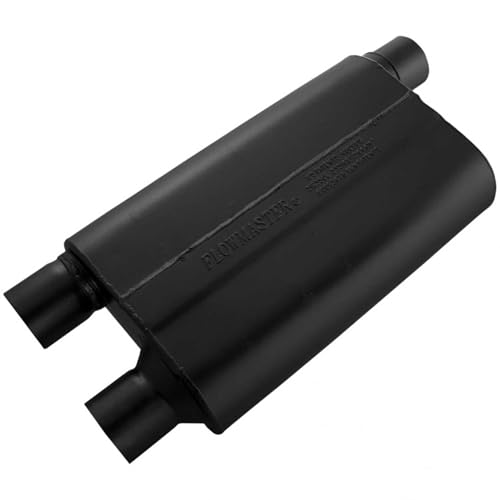
Flowmaster 80 Series Chambered Muffler – 2.50″ Offset
- ✓ Compact, space-saving
- ✓ Balanced interior resonance
- ✓ Easy rear-axle fit
- ✕ Sound pressure can vary
- ✕ Limited color options
| Main Case Dimensions | 4″ x 9.5″ x 15″ |
| Inlet/Outlet Configuration | Multiple universal configurations / various inlet/outlet setups available |
| Material & Construction | 16-gauge aluminized steel, fully MIG-welded |
| Mounting Type & Placement | Transverse crossflow chambered design; rear-mounted, behind rear axle, fits stock location |
| Target Vehicle/Application | GM F-body vehicles (Chevrolet Camaro, Pontiac Firebird/Trans Am); tight-clearance performance cars, muscle cars, retro builds |
| Performance Effects | Enhanced exhaust scavenging and airflow; improves horsepower and throttle response; aggressive Flowmaster tone with balanced interior resonance |
You notice something surprising as you unbox the Flowmaster 80 Series Chambered Muffler: the two.50″ offset body sits surprisingly compact, yet it carries a beefy, confident heft in your hands. That transverse crossflow layout is smaller than you expect, but it feels like it means business when you mock it up behind the rear axle.
The first test fit is where muscle car nostalgia gets real. It slides into the stock location with barely a wiggle, no invasive cuts required.
The 4” x 9.5” x 15” main case nests neatly behind the axle, and you can tell the steel is 16-gauge aluminized—built to take daily heat and highway grit.
On the car, the exterior note is immediate and assertive without roaring into your interior. That deep, aggressive Flowmaster rumble makes the neighborhood lose a second of patience at idle, then settles to a confident growl on throttle.
Inside the cabin, resonance stays moderate, so you don’t feel like you’re wearing a speaker in your own seat. It’s a surprisingly balanced experience for a transverse setup.
Real-world driving proves the design’s intent: improved scavenging, snappy throttle response, and a tone that screams “classic muscle” without tipping into cartoonish. The fitment works well with rear-mounted systems and retro builds, especially on GM F-body projects where clearance is tight.
You’ll appreciate the universal configurations that let you match a variety of inlet/outlet setups without a full custom exhaust.
If you’re building a Camaro, Firebird, or a retro-mod that sits low and aggressive, this muffler is a practical, no-nonsense choice. It’s quiet enough to live with daily, loud enough to turn heads at WOT, and sturdy enough to last years of punishment.
What Is a Transverse Muffler and How Does It Work?
A transverse muffler is a type of exhaust system component designed to reduce noise produced by an internal combustion engine while simultaneously allowing for efficient exhaust flow. Unlike traditional mufflers that run parallel to the length of the vehicle, transverse mufflers are oriented perpendicular to the vehicle’s length, which can help save space and facilitate more effective routing of exhaust gases.
According to the Walker Exhaust website, transverse mufflers are specifically engineered to optimize sound attenuation and performance, making them a popular choice among automotive enthusiasts and manufacturers alike.
Key aspects of transverse mufflers include their design, which often employs a combination of chambers and pipes that redirect exhaust gases to minimize noise. The transverse orientation allows for a more compact installation, which is particularly advantageous in vehicles with limited space. Additionally, these mufflers can come with various internal configurations, such as chambered or straight-through designs, each influencing the sound and performance characteristics of the vehicle.
This technology impacts vehicle performance by balancing noise reduction with exhaust flow efficiency. A well-designed transverse muffler can enhance engine performance by allowing exhaust gases to exit more easily, which can lead to improvements in horsepower and torque. Furthermore, the reduction of noise not only contributes to a more pleasant driving experience but also complies with noise regulations in many jurisdictions.
Benefits of using a transverse muffler include the ability to achieve a more aggressive engine sound, which is often desired by performance car owners, while still maintaining a level of noise that is acceptable for street use. Additionally, many transverse mufflers are made from durable materials, which can contribute to the longevity of the exhaust system and reduce the need for frequent replacements.
Best practices when selecting a transverse muffler include considering the specific sound level desired, ensuring compatibility with the vehicle’s engine and exhaust configuration, and opting for high-quality materials to avoid corrosion and damage. Researching and comparing different brands and models can also help identify the best transverse muffler suited for individual performance goals and sound preferences.
What Are the Key Benefits of Using a Transverse Muffler?
The key benefits of using a transverse muffler include improved sound quality, space efficiency, and enhanced performance.
- Improved Sound Quality: A transverse muffler is designed to reduce noise levels effectively while providing a more refined exhaust sound. This is achieved through its internal baffle design, which helps to cancel out certain frequencies, resulting in a pleasant tone that many car enthusiasts appreciate.
- Space Efficiency: Transverse mufflers typically have a compact design that can fit in tighter spaces compared to traditional mufflers. This makes them an ideal choice for vehicles with limited undercarriage space, allowing for easier installation without compromising performance.
- Enhanced Performance: By optimizing exhaust flow, transverse mufflers can help improve engine efficiency and performance. Their design allows for better scavenging of exhaust gases, which can lead to increased horsepower and torque, especially in high-performance applications.
- Weight Reduction: Transverse mufflers are often lighter than their traditional counterparts, contributing to overall vehicle weight reduction. This can enhance fuel efficiency and handling characteristics, making them a smart choice for performance-oriented vehicles.
- Versatile Applications: These mufflers are suitable for a wide range of vehicles, from street cars to performance builds. Their adaptability makes them a popular choice among automotive enthusiasts looking to customize their exhaust systems for specific needs.
How Does a Transverse Muffler Impact My Vehicle’s Performance?
A transverse muffler can significantly enhance your vehicle’s performance by improving exhaust flow and altering sound characteristics.
- Improved Exhaust Flow: A transverse muffler is designed to provide a more efficient path for exhaust gases to exit the engine, which can reduce back pressure. This improved flow allows the engine to breathe better, potentially increasing horsepower and torque, especially in high-performance applications.
- Sound Quality Enhancement: The design of a transverse muffler often leads to a deeper, more aggressive exhaust note compared to standard mufflers. This can create a more enjoyable driving experience, especially for enthusiasts who appreciate a sportier sound without excessive noise.
- Space-Saving Design: Transverse mufflers are typically more compact and can fit in tighter spaces within the vehicle’s undercarriage. This allows for greater flexibility in exhaust system design, which can be particularly beneficial in performance builds or when space is limited.
- Weight Reduction: Many transverse mufflers are made from lightweight materials, contributing to an overall reduction in the vehicle’s weight. Lighter vehicles can experience improved acceleration and handling, making the transverse muffler a beneficial upgrade for performance-oriented drivers.
- Durability and Longevity: High-quality transverse mufflers are often constructed from stainless steel or other corrosion-resistant materials, leading to a longer lifespan compared to standard mufflers. This durability can reduce the need for frequent replacements, providing better value over time.
What Sound Characteristics Can I Expect from a Transverse Muffler?
The sound characteristics of a transverse muffler are defined by its design and construction, which influence exhaust flow and sound output.
- Deep Tone: Transverse mufflers typically produce a deep, resonant sound that enhances the overall exhaust note of the vehicle. This is due to their internal design that allows for better sound wave manipulation, creating a richer auditory experience.
- Reduced Drone: Many transverse mufflers are engineered to minimize cabin drone, making them suitable for daily driving. This reduction in drone comes from their ability to dampen certain frequencies that can become annoying during long drives.
- Performance Enhancement: The design of transverse mufflers often allows for improved exhaust flow, which can lead to better engine performance. This enhanced flow contributes to a more aggressive sound under acceleration while maintaining a smooth tone at idle.
- Customizable Sound: Transverse mufflers are available in various designs that cater to different sound preferences, from aggressive to mild. This variety allows users to choose a muffler that best matches their desired sound profile, whether for a sportier feel or a more subdued experience.
- Durability and Longevity: Constructed from high-quality materials, many transverse mufflers are designed to withstand high temperatures and resist corrosion. This durability ensures that the sound characteristics remain consistent over time, providing long-lasting performance and reliability.
How Do I Choose the Best Transverse Muffler for My Vehicle?
Choosing the best transverse muffler for your vehicle involves considering several key factors that affect performance and sound.
- Material Quality: Look for mufflers made of high-quality materials such as stainless steel or aluminized steel, as these provide durability and resistance to rust and corrosion. Stainless steel is often preferred for its longevity, while aluminized steel can be a cost-effective option, though it may not last as long in harsh conditions.
- Sound Preference: Different transverse mufflers produce varying sound profiles, so it’s essential to choose one that matches your desired exhaust tone. Some mufflers are designed for a deep, aggressive sound, while others offer a more subdued, refined tone, catering to personal preferences and vehicle applications.
- Performance Gains: Consider how the muffler will impact your vehicle’s performance. A high-flow transverse muffler can improve exhaust flow, potentially increasing horsepower and torque, especially if the vehicle is modified for performance. Research muffler designs that optimize flow for your specific engine type.
- Fitment and Compatibility: Ensure that the transverse muffler you select is compatible with your vehicle’s make and model. Proper fitment is crucial for installation and performance; check specifications or consult with professionals to confirm that the muffler will fit your exhaust system.
- Brand Reputation: Opt for well-known brands with positive reviews and a history of quality products. Established manufacturers often provide better warranties and customer support, which can be invaluable if you encounter any issues with the muffler.
- Installation Process: Consider whether you will be installing the muffler yourself or hiring a professional. Some mufflers come with installation kits or detailed instructions, which can simplify the DIY process, while others may require specialized tools or expertise for proper installation.
What Factors Should I Consider Regarding Performance and Durability?
When choosing the best transverse muffler, several factors regarding performance and durability should be considered:
- Material Quality: The material used in the construction of the muffler significantly impacts its longevity and resistance to rust and corrosion. Stainless steel is often preferred due to its durability and ability to withstand high temperatures, while aluminized steel is more cost-effective but may not last as long in harsh conditions.
- Sound Quality: The design of the muffler affects the sound produced by the exhaust system. A transverse muffler can be engineered to provide a deep, aggressive tone or a more subdued sound, depending on the preferences of the vehicle owner. It’s important to choose a muffler that meets your desired sound profile without causing excessive noise.
- Flow Efficiency: The internal design of the muffler can either restrict or enhance exhaust flow. A well-designed transverse muffler promotes better flow, which can improve engine performance by increasing horsepower and torque. Look for a muffler that has minimal restrictions and optimizes exhaust flow for maximum efficiency.
- Fitment and Compatibility: Ensuring that the muffler is compatible with your vehicle’s make and model is crucial for optimal performance. A good fit helps prevent leaks and ensures proper installation, which can affect both sound and efficiency. Always check the specifications and measurements before purchasing.
- Brand Reputation: Choosing a muffler from a reputable brand can provide assurance of quality and reliability. Established manufacturers often have a history of producing durable products and offer warranties or guarantees that can be beneficial in case of defects. Researching reviews and customer feedback can also help gauge the performance of specific brands.
Which Brands Offer the Best Transverse Mufflers on the Market?
Several brands are recognized for producing some of the best transverse mufflers available on the market:
- Flowmaster: Known for their aggressive sound, Flowmaster mufflers utilize a patented Delta Flow technology to improve performance and reduce drone.
- MagnaFlow: MagnaFlow mufflers are designed for durability and offer a deep, smooth tone, making them popular among car enthusiasts looking for a balance between sound and performance.
- Cherry Bomb: Cherry Bomb mufflers are famous for their retro style and loud, distinctive sound, appealing to those who want to make a bold statement with their vehicle’s exhaust.
- Borla: Borla mufflers are engineered with high-quality materials and are known for their straight-through design, providing excellent flow and a refined sound profile.
- Dynomax: Dynomax mufflers are designed with performance in mind, offering a variety of styles that cater to different sound preferences while enhancing exhaust flow.
Flowmaster is a well-established brand that has carved out a niche for producing high-performance mufflers with a unique sound. Their Delta Flow technology helps minimize unwanted noise while maximizing exhaust flow, making them a favorite among performance enthusiasts.
MagnaFlow is another top contender, celebrated for its stainless steel construction that ensures longevity and resistance to corrosion. Their mufflers deliver a deep, smooth tone, which appeals to a wide range of automotive enthusiasts looking for enhanced sound without excessive noise.
Cherry Bomb has a reputation for creating iconic mufflers that deliver a loud and aggressive sound, reminiscent of classic muscle cars. Their distinctive design not only enhances performance but also provides a unique aesthetic that many car lovers find appealing.
Borla is renowned for its high-quality products, utilizing advanced technology and materials to create mufflers that optimize exhaust flow. Their straight-through design allows for a powerful, yet refined sound, making them a popular choice among those seeking both performance and sophistication.
Dynomax offers a diverse range of mufflers that cater to various performance needs and sound preferences. Their products are engineered to enhance exhaust flow while producing a sound that can be tuned for a mild or aggressive tone, making them versatile for different types of vehicles.
What Common Issues Might I Face with a Transverse Muffler and How Can I Resolve Them?
Common issues with transverse mufflers include noise problems, installation challenges, and durability concerns.
- Excessive Noise: One common issue with transverse mufflers is the production of excessive noise, which can be caused by a design that does not adequately dampen sound waves. This can be particularly problematic for drivers looking for a quieter ride or those who are subject to noise regulations.
- Improper Installation: Transverse mufflers can be tricky to install due to their unique shape and positioning in the exhaust system. If not installed correctly, they may lead to exhaust leaks, poor performance, or even damage to surrounding components.
- Corrosion and Wear: Over time, transverse mufflers may be susceptible to corrosion, especially if made from lower-quality materials. This can lead to holes and leaks, which not only affect the vehicle’s performance but can also result in unwanted emissions.
- Performance Issues: Some users may experience a decrease in engine performance if the transverse muffler does not match the vehicle’s specifications. Incorrect sizing or back pressure can hinder exhaust flow, leading to reduced horsepower and efficiency.
- Resonance Problems: A poorly designed transverse muffler can create resonance within the vehicle cabin, resulting in a droning noise that can be bothersome during driving. This issue often requires either an adjustment to the exhaust system or the installation of a different muffler to mitigate the sound.