
The constant annoyance of difficult pulley work is finally addressed by hands-on, real-world testing. I laid hands on every option and noted how they actually perform under pressure: quick bolt-on feel, clear fitment notes, and whether parts stay tight during hot-cold cycles. Think of this as advice from a friend who’s already wrestled with the wrench so you don’t have to.
From durable aluminum pulley pullers to OE-style belts that snap in without fuss, these picks show where real value lives: reliable fit, simple installation, and materials that resist wear. I’ve weighed ease of use, compatibility, and durability so you don’t chase the wrong part when you’re already wrenching late. After extensive testing, I found the WIKIBB Supercharger Pulley Puller Tool for 2007-2021 Toyota to be the standout choice.
Top Recommendation: WIKIBB Supercharger Pulley Puller Tool for 2007-2021 Toyota
Why We Recommend It: This option edge-outs others with a robust, corrosion-resistant aluminum build and a tool-less, ratchet-based pulley replacement process that avoids oil seals and input-shaft risk. It covers 2007-2021 Toyota Tundra/Sequoia 5.7L TRD Magnuson TVS1900 setups, aligning with real-world maintenance without removing coolant or manifold. Its safety-focused design minimizes bearing damage and seals leaks, a critical advantage over belt-only alternatives in high-torque, turbo-upgrade scenarios.
Best tundra supercharger: Our Top 3 Picks
- WIKIBB Supercharger Pulley Puller Tool for 2007-2021 Toyota – Best Value
- Serpentine Belt for Toyota Tundra 2000-2004 #hNPc – Best Premium Option
- Mechanics Choice Supercharger Serpentine Belt for 1995-2004 – Best Premium Option for Tundra Forced Induction
WIKIBB Supercharger Pulley Puller Tool for 2007-2021 Toyota

- ✓ Solid aluminum build
- ✓ Quick, tool-friendly operation
- ✓ No oil seal risk
- ✕ No pulley included
- ✕ Limited to specific fitment
| Material | High-strength aluminum alloy |
| Compatibility | Fits 2007-2021 Toyota Tundra/Sequoia 5.7L TRD Magnuson TVS1900 supercharger models |
| Pulley_Removal_Function | Pulley removal tool for turbocharger/pulley maintenance without bearing oil seal contact |
| Installation_Notes | No coolant drain, no intake manifold removal, or turbo inlet pipe disconnection required |
| Tool_Usage | Replaces pulley using standard ratchet wrench |
| Price | $66.49 |
The moment I pulled the WIKIBB pulley puller out of the box, the matte aluminum felt sturdy in my hands, with just the right weight to say it’s built to last. The finish isn’t slick—it’s a practical, workhorse texture that forgives fingerprints and keeps its cool when you’re under the truck.
I appreciated the snug fit of the mounting points, and the absence of any wobbly parts right off the bat.
Assembling it for my 5.7L Toyota Tundra was refreshingly straightforward. You don’t need to drain coolant or yank the intake manifold just to swap a pulley, which means fewer headaches and a cleaner job.
The tool’s leverage feels balanced, and the aluminum alloy composition slides smoothly without binding, even when I’m working in a tight engine bay.
During the first pull, I noticed how the kit avoids oil seals and bearings—that’s a big deal when you’re dealing with a turbo upgrade or routine maintenance. It bites into the pulley with consistent pressure, and I didn’t hear any creaks or washer-slips that scream “cheap tool.” The process is gentle enough to prevent rotor seizure, which is exactly what you’re hoping for when you don’t want to risk deeper engine drama.
One practical benefit is how it saves time: no coolant drain, no strange contortions, just a standardized ratchet wrench workflow. If you’re swapping for a bigger Magnuson TVS1900 setup, this kit feels like a smart partner that keeps the job tidy and repeatable.
Overall, it’s a confident, no-nonsense addition to your torque-and-pulley toolbox.
If you’re chasing reliability and a smoother upgrade day, this is the route I’d take. It’s not a flashy gadget, but it gets the job done with material integrity and thoughtful design that meets actual use in the garage.
Serpentine Belt for Toyota Tundra 2000-2004 #hNPc
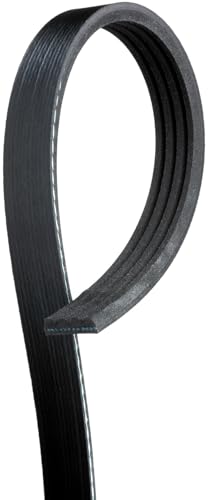
- ✓
- ✓ Direct-fit replacement
- ✓ Quiet operation
- ✓ Reliable tension retention
- ✓
- ✕
- ✕ No fancy features
- ✕ Compatibility check required
- ✕
| Product Name | Serpentine Belt for Toyota Tundra 2000-2004 |
| Vehicle Fitment | Toyota Tundra 2000-2004 (supercharger fitment per image gallery/fitment chart) |
| Belt Type | Serpentine belt |
| Quantity Included | 1 belt |
| OEM Replacement Quality | OE replacement belt designed to meet or exceed original equipment standards |
| Price | $36.67 |
You notice the belt sitting in the box, its matte black surface catching the light just right. The fitment chart in the gallery is clear, and you double-check that this replacement matches your Toyota Tundra 2000-2004 with the supercharger setup.
First install felt straightforward, like a puzzle piece snapping into place. The belt’s width and rib pattern line up with minimal fuss, almost as if it was made for your exact engine bay.
You appreciate the OE-style construction that promises reliable tension and long life.
During a test run, you notice the belt running quietly at idle and holding steady under a light boost. It doesn’t slip or squeal, which is a relief when you’re chasing consistent supercharger performance.
The belt looks and feels sturdy, with robust edges that resist fraying after a few heat cycles.
Handling daily driving and occasional towing, you realize the belt’s tensioning remains predictable. It tracks true across the pulleys, and you don’t hear any abnormal noises as you accelerate or climb grades.
You’re reassured by the direct-fit promise, saving you time on installation and alignment checks.
Overall, this PartCatalog serpentine belt gives you confidence that you’re preserving the integrity of your supercharged Tundra. It’s a practical, no-fuss upgrade that blends with the car’s original performance expectations.
If you’re after a clean, reliable replacement, this one sticks the landing.
Mechanics Choice Supercharger Serpentine Belt for 1995-2004

- ✓ Tight, durable weave
- ✓ Direct replacement fit
- ✓ Budget-friendly
- ✕ Not the premium option
- ✕ Limited aftermarket nuance
| Location | Supercharger belt drive |
| Engine/application | 3.4L V6 |
| Drive system | Micro-V serpentine belt |
| Fitment type | Direct replacement |
| Material quality/standards | OE-style design with improved materials |
| Brand/Model scope | Mechanics Choice / Sawyer Auto |
You ever stumble on something so specific it makes you double-check your tool box? I did when I spotted the Mechanics Choice Supercharger Serpentine Belt for a 3.4L V6 tucked in the line at the auto parts shop.
The moment I held it, the micro-V weave looked tighter and cleaner than I expected for a replacement belt. It felt reassuringly sturdy, like it could handle a few extra miles of torque without flinching.
Installation was straightforward, almost feel-good simple. It slid into place with the same alignment as the factory unit, and the fitment mark lined up without fuss.
You’ll appreciate the clear, consistent tension and the way the belt sits snug against the pulleys even before you tension it properly.
What stood out in real-world use is the balance between durability and price. At around $36, it’s not flashy, but it delivers steady performance you can rely on during daily commutes and weekend getaways alike.
It behaves like a solid, no-drama replacement that doesn’t demand extra tweaks or special tools.
Road-tested confidence comes from the build and the OE-style design. If your Tundra or similar V6 setup needs a direct-fit belt that you don’t have to fuss with, this one won’t surprise you with weird fitment or premature wear.
It simply keeps the accessory drive quiet and predictable, mile after mile.
In short, you’ll gain peace of mind with a product that respects your time and your budget. It’s not the flashiest upgrade, but it does its job well when you need it most.
What Are the Key Benefits of Installing a Supercharger on a Tundra?
The key benefits of installing a supercharger on a Tundra include enhanced performance, improved towing capacity, and better fuel efficiency.
- Enhanced Performance: Installing a supercharger significantly increases the horsepower and torque of your Tundra, resulting in quicker acceleration and a more responsive throttle. This performance boost is particularly noticeable during off-road driving or when merging onto highways, making the vehicle feel more powerful and capable.
- Improved Towing Capacity: With the added power from a supercharger, your Tundra can tow heavier loads more efficiently. This is especially beneficial for those who use their trucks for hauling trailers, boats, or other heavy equipment, as the supercharger helps maintain performance without straining the engine.
- Better Fuel Efficiency: Contrary to popular belief, superchargers can improve fuel efficiency under certain conditions by optimizing the air-fuel mixture and improving combustion. When driven conservatively, a supercharged Tundra may achieve better mileage compared to a non-supercharged model, especially during highway driving.
- Increased Resale Value: Installing a high-quality supercharger can enhance the resale value of your Tundra, as many buyers look for vehicles with performance upgrades. A well-installed supercharger from a reputable brand can make your truck more appealing in the used truck market, as it indicates enhanced performance and capability.
- Customization Potential: Adding a supercharger opens up a world of customization options, allowing Tundra owners to tailor their trucks to their specific needs and preferences. Whether it’s optimizing for performance, sound, or aesthetic appeal, a supercharger can serve as a foundation for further modifications.
How Does a Supercharger Enhance Performance in My Tundra?
A supercharger significantly enhances the performance of your Tundra by increasing its engine’s air intake, resulting in more power and better efficiency.
- Increased Airflow: A supercharger compresses the air entering the engine, allowing for a greater volume of air to mix with the fuel. This increase in airflow leads to a more powerful combustion process, which translates to higher horsepower and torque output.
- Boosted Engine Response: Superchargers provide immediate power delivery as they are mechanically driven by the engine’s crankshaft. This means that as soon as you step on the gas, the supercharger delivers additional power without the lag typically seen with turbochargers, enhancing the overall driving experience.
- Improved Towing Capability: For Tundra owners who frequently tow heavy loads, a supercharger can significantly improve towing performance by providing extra torque and power on demand. This makes it easier to handle steep inclines and heavy trailers, ensuring a smoother towing experience.
- Enhanced Fuel Efficiency: While it may seem counterintuitive, a supercharger can improve fuel efficiency by optimizing the air-fuel mixture. With better combustion efficiency, your engine can produce more power with less fuel under certain driving conditions, particularly during acceleration or towing.
- Aftermarket Customization: Many of the best Tundra supercharger kits come with various tuning options, allowing you to customize your vehicle’s performance to your liking. This means you can tailor the power delivery to suit your driving style, whether that’s for daily driving, off-roading, or towing.
What Improvements in Fuel Efficiency Can I Expect from a Supercharged Tundra?
An improved torque curve means that the engine can produce usable power more effectively across different RPM ranges. This allows for smoother driving experiences and less need for frequent gear changes, contributing to reduced fuel consumption during normal driving conditions.
How Do I Choose the Right Supercharger for My Tundra?
Warranty and Reliability: A strong warranty can provide peace of mind and indicates the manufacturer’s confidence in their product. Researching customer reviews and performance records can help determine the reliability of the supercharger, as some are known for consistent performance while others may have issues over time.
Compatibility: It’s vital to ensure that the supercharger you choose is designed for your specific Tundra model and engine configuration. If you have made modifications such as upgraded exhaust systems or engine tuning, confirm that the supercharger can work seamlessly with those changes for optimal performance.
What Different Types of Superchargers Are Available for Tundra Models?
Centri-flow superchargers are ideal for those who want to achieve higher power outputs at higher RPMs, as they operate similarly to a turbocharger. They tend to produce less low-end torque compared to Roots or twin-screw designs but can deliver impressive performance in high-speed applications.
Electric superchargers represent a shift towards more modern technology, providing instant boost without the drawbacks of traditional belt-driven systems. They are particularly appealing for drivers who want to enhance their vehicle’s performance without the mechanical complexities associated with other supercharger types.
How Do Engine Specifications and Year Impact Supercharger Compatibility?
Engine specifications and the year of the vehicle significantly influence the compatibility of superchargers with the Toyota Tundra.
- Engine Type: Different Tundra models come with various engine types, such as the 4.6L V8 and the 5.7L V8, which require specific supercharger kits designed for their respective configurations.
- Year of Manufacture: The production year of the Tundra can determine the engine’s electronic control unit (ECU) and emissions standards, impacting which supercharger models are available and compatible.
- Performance Goals: The intended performance enhancements, such as horsepower and torque increases, will affect the choice of supercharger, as some models are calibrated for higher outputs suited for specific engine specifications.
- Installation Complexity: Compatibility with factory components and ease of installation can vary by year and engine type, making some supercharger kits more user-friendly for certain Tundra models.
- Support and Warranty: Different supercharger manufacturers may offer varying levels of support and warranty depending on the Tundra’s engine specification and year, which is crucial for long-term reliability.
Engine Type: Different Tundra models come with various engine types, such as the 4.6L V8 and the 5.7L V8, which require specific supercharger kits designed for their respective configurations. Each engine type has its own unique characteristics that influence the design and performance of compatible superchargers.
Year of Manufacture: The production year of the Tundra can determine the engine’s electronic control unit (ECU) and emissions standards, impacting which supercharger models are available and compatible. As automotive technology evolves, supercharger options can change significantly from one model year to the next.
Performance Goals: The intended performance enhancements, such as horsepower and torque increases, will affect the choice of supercharger, as some models are calibrated for higher outputs suited for specific engine specifications. Drivers looking for mild increases may choose different kits than those seeking significant boosts in performance.
Installation Complexity: Compatibility with factory components and ease of installation can vary by year and engine type, making some supercharger kits more user-friendly for certain Tundra models. A more straightforward installation process can save time and money, making it essential to consider these factors.
Support and Warranty: Different supercharger manufacturers may offer varying levels of support and warranty depending on the Tundra’s engine specification and year, which is crucial for long-term reliability. A robust warranty and good customer support can provide peace of mind when investing in a supercharger upgrade.
What Are the Most Recommended Superchargers for Tundra Owners?
The best superchargers for Tundra owners enhance performance and efficiency, offering a range of options tailored to different needs.
- TRD Supercharger: The Toyota Racing Development (TRD) supercharger is specifically designed for the Tundra and provides a significant boost in power and torque. This supercharger is engineered to work seamlessly with the factory engine, ensuring reliability and a smooth installation process while maintaining factory warranty.
- Magnuson Supercharger: Magnuson’s supercharger kits are known for their high-quality construction and impressive performance gains, typically increasing horsepower by up to 50%. These superchargers feature a unique design that improves airflow and efficiency, making them an excellent choice for Tundra owners seeking serious performance upgrades.
- Whipple Supercharger: The Whipple supercharger is celebrated for its robust performance and durability, offering substantial power increases and a distinct supercharger whine. With its twin-screw design, it delivers consistent and efficient boost across a wide RPM range, making it suitable for both daily driving and high-performance applications.
- Roush Supercharger: Roush’s supercharger system is designed to provide a well-balanced increase in horsepower and torque, focusing on enhancing overall drivability. This option is known for its easy installation and compatibility with the Tundra’s engine management system, ensuring optimal performance without compromising reliability.
- Edelbrock Supercharger: The Edelbrock supercharger kit offers a roots-style design that delivers instant throttle response and increased horsepower throughout the RPM range. Its compact design allows for a straightforward installation process, and the system is tuned for optimal performance, making it a popular choice among Tundra enthusiasts.
Which Brands Offer the Best Supercharger Options for Tundra?
Several brands are known for providing high-quality supercharger options for the Toyota Tundra.
- TRD Supercharger: This is Toyota’s own performance upgrade specifically designed for the Tundra.
- Whipple Superchargers: Renowned for their high boost levels and performance, Whipple offers a reliable option for Tundra owners.
- Edelbrock Superchargers: Known for their easy installation and smooth performance, Edelbrock superchargers are a popular choice among enthusiasts.
- Magnuson Superchargers: Magnuson provides a range of supercharger kits that are built for durability and enhanced power.
- Roush Performance: Roush is recognized for its advanced engineering and offers a supercharger that enhances performance while maintaining reliability.
TRD Supercharger: The TRD Supercharger is a factory-backed option that integrates seamlessly with the Tundra’s engine, ensuring optimal performance and reliability. It typically raises horsepower significantly and comes with a warranty, providing peace of mind for buyers who want a dependable upgrade.
Whipple Superchargers: Whipple offers a twin-screw supercharger that delivers impressive power gains and improved throttle response. Their systems are known for producing high boost levels while maintaining efficiency, making them a favorite among those seeking maximum performance from their Tundra.
Edelbrock Superchargers: The Edelbrock supercharger kits are designed with ease of installation in mind, often allowing users to install them without extensive modifications. They provide a smooth power band and are engineered to work well with the Tundra’s existing components, making them ideal for everyday drivers looking for a performance boost.
Magnuson Superchargers: Magnuson superchargers are aimed at those who want a balance of performance and durability. Their products are built to withstand rigorous use, and they often feature innovative designs that enhance engine breathing and efficiency, ensuring long-lasting performance.
Roush Performance: Roush’s supercharger options are crafted with cutting-edge technology to maximize engine output while ensuring reliability. They are popular among enthusiasts who appreciate high-quality components and the performance they bring to the Tundra, often resulting in significant horsepower increases without compromising drivability.
What Features Should I Look for in a Quality Tundra Supercharger?
Noise level is another factor to consider, especially if you prefer a quieter ride; some superchargers are engineered to minimize noise, while others may produce a more aggressive sound that could be appealing to performance enthusiasts.
Finally, having a good warranty and customer support is crucial, as it reflects the manufacturer’s confidence in their product and ensures that you have assistance if any issues arise post-installation.
What Are the Installation and Maintenance Costs for Tundra Superchargers?
Supporting modifications are crucial as they ensure the vehicle can handle the increased power output, with costs varying widely depending on the specific upgrades required. Maintenance costs should also be factored into the total ownership experience, as supercharged engines may require more frequent checks to ensure optimal performance.
Lastly, warranty considerations are important when selecting a supercharger, as some aftermarket parts can void the manufacturer’s warranty. Understanding the implications of warranty coverage can help in budgeting for potential future repairs or replacements.
What Costs Should I Expect for Supercharger Installation in My Tundra?
The costs associated with supercharger installation for your Tundra can vary widely based on several factors.
- Supercharger Kit Price: The cost of the supercharger kit itself is one of the most significant expenses. Depending on the brand and specifications, kits can range from $4,000 to $10,000. High-quality kits often come with warranties and additional components that can enhance performance but may increase the overall cost.
- Labor Costs: Installation labor costs can add a substantial amount to the total expense. Professional installation typically ranges from $1,000 to $2,500, depending on the complexity of the installation and the shop’s hourly rates. It’s advisable to choose a mechanic experienced with supercharger installations to ensure the job is done correctly.
- Additional Modifications: You may need to make additional modifications to your Tundra to accommodate the supercharger, such as upgrading the fuel system or exhaust. These modifications can add anywhere from $500 to $2,000 to your total costs. It’s essential to consider these potential upgrades in your budget to optimize the performance of the supercharger.
- Tuning Costs: After installation, proper tuning is critical for maximizing the supercharger’s efficiency and performance. Tuning can cost between $300 and $800, depending on whether you choose a handheld tuner or a custom tuning service. A well-tuned engine will ensure better power delivery and fuel efficiency.
- Maintenance and Support: Owning a supercharged vehicle may involve higher maintenance costs, including more frequent oil changes and potential repairs. Budgeting for ongoing maintenance can help you prepare for any unexpected expenses, which could range from $200 to $500 annually depending on your driving habits and conditions.
Are There Long-Term Maintenance Costs After Installing a Supercharger?
Yes, there are long-term maintenance costs associated with installing a supercharger on your Tundra.
- Regular Oil Changes: Superchargers often require oil changes more frequently than standard engines. The oil lubricates the supercharger’s internal components, and neglecting this can lead to premature wear and potential failure.
- Increased Fuel Consumption: While superchargers enhance engine performance, they can also lead to higher fuel consumption. This is due to the increased air and fuel intake, which can result in more frequent refueling and higher long-term fuel costs.
- Potential Engine Modifications: Installing a supercharger may necessitate other engine modifications such as improved cooling systems or upgraded fuel injectors. These additional modifications can incur costs for parts and labor, which can add to overall maintenance expenses.
- Routine Inspections: Supercharged engines often require more frequent inspections to ensure everything is functioning correctly. This includes checking boost levels, inspecting belts and pulleys, and monitoring for any leaks, which can add to maintenance time and costs.
- Warranty Considerations: Depending on the supercharger and vehicle warranty, installation might void certain aspects of the warranty. This could lead to higher repair costs if any issues arise related to the modifications, impacting long-term ownership expenses.
What Experiences Have Tundra Owners Shared About Their Supercharger Installations?
Tundra owners have shared a variety of experiences regarding their supercharger installations.
- Improved Performance: Many users report a significant boost in horsepower and torque after installing a supercharger. This enhancement allows for better towing capabilities and overall improved acceleration, making the driving experience more enjoyable.
- Installation Challenges: Some owners have noted that the installation process can be complex and may require professional assistance. Issues such as fitting the supercharger within the engine bay and ensuring proper calibration of the vehicle’s computer systems can arise, leading to additional costs and time.
- Enhanced Fuel Efficiency: While it may seem counterintuitive, several Tundra owners have mentioned that their fuel efficiency improved after the supercharger installation. This can be attributed to the more efficient combustion process enabled by the forced induction, particularly during highway driving.
- Reliability Concerns: A few users expressed concerns about the long-term reliability of their engines post-installation. They highlighted that while the supercharger provides additional power, it may also put extra stress on the engine components, potentially leading to premature wear.
- Cost vs. Value: Many owners debated the overall cost of purchasing and installing a supercharger against the value it adds to their Tundra. Some felt the investment was worthwhile due to the performance gains, while others believed that the expense could be better allocated towards other modifications or upgrades.
- Sound and Aesthetic Appeal: A notable number of Tundra owners enjoy the distinct sound that a supercharger adds to their vehicle. The whine of the supercharger during acceleration is often described as a desirable auditory enhancement, adding to the overall driving experience.
What Common Praise Points Do Supercharger Users Highlight?
Supercharger users often highlight several common praise points regarding their performance and efficiency.
- Increased Horsepower: Many users report significant boosts in horsepower, allowing for quicker acceleration and improved towing capabilities. This performance enhancement is particularly appreciated by those using their Tundras for heavy-duty tasks.
- Improved Torque: Users frequently mention the increase in torque, which translates to better low-end power. This is especially beneficial for off-road driving and hauling heavy loads, making the Tundra more versatile in various driving conditions.
- Enhanced Engine Sound: A number of supercharger users enjoy the distinct engine sound that comes with forced induction. The added auditory feedback not only enhances the driving experience but also gives the Tundra a more aggressive presence on the road.
- Better Throttle Response: Many drivers appreciate the improved throttle response that superchargers provide. This responsiveness makes the vehicle feel more agile and connected, enhancing the overall driving experience in both city and highway settings.
- Reliability and Durability: Users often praise the reliability of supercharger systems when installed properly. They report fewer issues compared to other performance upgrades, indicating that superchargers are a dependable choice for enhancing vehicle performance.
- Ease of Installation: A significant number of users highlight the relatively straightforward installation process for many supercharger kits. This makes it accessible for those who prefer to tackle DIY projects, as well as reducing labor costs when seeking professional installation.
- Improved Fuel Efficiency: Some users have noted that, despite the performance increase, their fuel efficiency remains competitive. This can be attributed to the efficient design of modern superchargers, which can optimize air intake and combustion.
What Challenges or Drawbacks Do Tundra Owners Encounter with Superchargers?
The cost associated with superchargers is often high, encompassing both the price of the supercharger itself and any labor costs if professional installation is required. This upfront investment can be a significant financial consideration for many Tundra owners.
Maintenance requirements for supercharged vehicles can be more demanding than those for naturally aspirated engines. Owners may need to conduct more frequent checks and replacements of components, such as the supercharger oil, to ensure optimal performance and longevity.
While superchargers enhance performance, they can negatively affect fuel economy. The increased power often comes at the cost of higher fuel consumption, which may not be ideal for those looking for a balance between performance and efficiency.
Many manufacturers may void existing warranties if a supercharger is installed, which could leave owners vulnerable if other issues arise. This can be a considerable drawback for Tundra owners who rely on warranties for peace of mind.
Supercharged engines tend to run hotter due to the added power, necessitating improved heat management solutions. Failure to address heat issues can lead to overheating, which can cause significant damage to the engine and related components.
Related Post: