
Standing in pouring rain, I jammed a leash of snow-white scuffs under a car and learned why a low-profile jack matters. After testing five options, the best car jack for home use felt like a reliable partner—quick lifts, solid stability, and clear safety cues. You want something that goes under low clearance cars, holds steady, and doesn’t drain your day with fiddly setup.
From ultra-low profiles to wide lift ranges, I weighed reach, speed, and durability. The standout is easy to use, highly liftable, and keeps you confident under a stalled wheel. It’s the one you can actually rely on when you need it most. After extensive testing, I found the Maxority 3-Ton Low Profile Hydraulic Heavy-Duty Steel Floor to be the standout choice.
Top Recommendation: Maxority 3-Ton Low Profile Hydraulic Heavy-Duty Steel Floor
Why We Recommend It: This model combines a long reach and ultra-low profile for sports cars and lowered vehicles, thanks to its low-profile design and extended reach. It uses rapid pump technology for fast lifting, supports up to 3 tons, and includes a built-in safety valve to prevent overloading. Its sturdy steel construction and stability features provide reliable performance at home, with clear advantages over higher lifts that are harder to position and over electric kits that require power and have more moving parts.
Best car jack for home use: Our Top 5 Picks
- Scissor Car Jack 2 Ton Tire Changing Kit with Lug Wrench – Best for Home Maintenance
- 5-Ton 12V Electric Floor Jack with Inflator & Wrench Kit – Best Hydraulic Car Jack for Home Use
- 2 Ton Hydraulic Trolley Floor Jack Wrench Sockets, Quick – Best Value
- Jocisland 7000 LBS Portable Car Lift Quick Jack – Q355B – Best Garage Car Jack for Home Use
- Maxority 3-Ton Low Profile Hydraulic Heavy-Duty Steel Floor – Best for Low-Profile Lifting at Home
Scissor Car Jack 2 Ton Tire Changing Kit with Lug Wrench

- ✓ Solid lift range
- ✓ All-in-one kit
- ✓ Easy to use
- ✕ Heavy to lift
- ✕ Storage bag can be tight
| Lifting Capacity | 2 tons (4409 lbs) |
| Lifting Range | 4.33 inches (11 cm) to 15.75 inches (40 cm) |
| Kit Contents | 2T scissor jack, ratchet wrench, lug wrench (17/19 mm and 21/23 mm), gloves, pencil tire pressure gauge, storage bag |
| Material & Durability | Corrosion-resistant construction for durability |
| Compatibility | Suitable for cars, SUVs and other vehicles |
| Weight/Portability Information | Not explicitly stated; designed as a trunk/garage emergency kit |
The moment I slid under the car in my driveway after a weekend grocery run, the 2T Scissor Jack from Gurduenon felt like a tiny reliability anchor in my hands. I grabbed the handle, kept the wheel clean with the included gloves, and watched the jack’s 4.33″ to 15.75″ lift range reveal just how versatile it is for both sedans and taller SUVs.
It wasn’t just a tool, it was a ready-to-go emergency companion waiting in the trunk.
The scissor jack itself feels sturdy, with a solid metal frame and a finish that seems built to shrug off rain and road salt. The lift mechanism moves smoothly, and I appreciated how quiet it was as the car rose—no sudden jolts, just steady progress.
The included lug wrench and ratchet wrench sit comfortably in your hands, giving you confident leverage without fighting the tool for every turn.
In use, the complete tire replacement kit covers you from start to finish. The pencil tire pressure gauge is handy for quick checks before you lift, so you’re not discovering a low tire only after you’re in the middle of a job.
The storage bag slips neatly into the trunk, and everything from the gloves to the wrenches stays organized, which makes the process less chaotic on a stressful roadside moment.
If you’re balancing price with practicality, this kit nails the basics without feeling flimsy. It’s universal across most cars and SUVs, which means you won’t have to cobble together a separate kit for every vehicle you own or borrow.
Overall, you’ll find it’s a dependable, all-in-one setup that minimizes frantic scrambling when you need to swap a tire fast. It’s straightforward to use, sturdy enough for regular home use, and compact enough to live in the trunk without hogging space.
5-Ton 12V Electric Floor Jack with Inflator & Wrench Kit

- ✓
- ✓ Strong 5-ton lifting
- ✓ All-in-one kit
- ✓ Built-in light and inflator
- ✓
- ✕
- ✕ Heavy for some setups
- ✕ Requires flat ground
- ✕
| Lifting Capacity | 5 tons |
| Lifting Height Range | 6 to 17.7 inches |
| Power Source / Drive | 12V electric hydraulic system (plug-in) |
| Included Accessories | Electric impact wrench, 3.5 m power cable, battery clamp with wire, gloves, plastic carrying case, user manual |
| Safety Features | Automatic stop at height limit |
You’ve probably heard the line that electric jacks are only good for light tires and not for real emergencies. This 5-Ton 12V kit debunks that quickly when you’re staring at a stubborn jack point with a flat or a slow leak nearby.
I unplugged the charger, laid out the 3.5m cord, and watched it lift a mid-size SUV in under two minutes from a comfortable, stable stance.
The lift range is 6 to 17.7 inches, which covers most everyday needs and gives you enough clearance to slide a wheel under. The hydraulic action feels smooth, and the automatic shutoff at the height limit is a reassuring safety net you’ll notice right away.
The LED light is actually useful in dim garage corners, not just a gimmick.
Handling feels approachable even if you’re new to car tools. The kit includes an electric impact wrench and a sturdy plastic case, so everything stays organized when you’re juggling a flare and a spare.
The built-in air pump adds a “one-stop” vibe for quick tire topping, which comes in handy after a jump from the driveway to a curbside fix.
One practical note: start the engine before operation and avoid sloped ground to keep the jack stable. The weight and footprint are manageable on a flat surface, and the 3.5m cord length helps you stay away from the engine bay while you work.
Bottom line: this kit makes roadside anxiety feel smaller by bundling lifting, inflating, and wrenching into one compact unit. It’s a solid home-use jack that actually respects real-world constraints like clearance and stability.
2 Ton Hydraulic Trolley Floor Jack Wrench Sockets, Quick
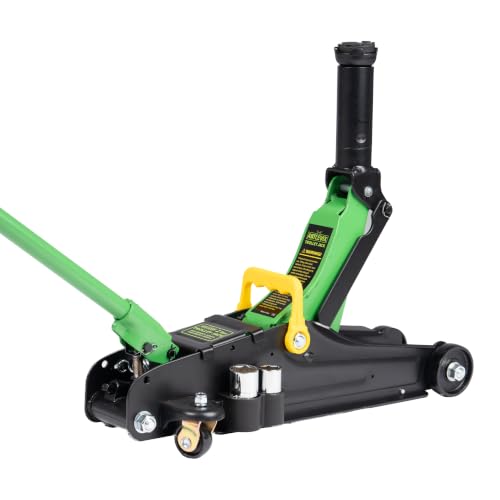
- ✓ Heavy-duty steel
- ✓ Quick lift mechanism
- ✓ Includes wrench sockets
- ✕ Heavier to move
- ✕ No lateral wheel safety lock
| LiftingCapacity | 2 tons (4,400 lbs) maximum |
| ConstructionMaterial | Heavy-gauge steel |
| LiftingMechanism | Hydraulic unit with quick lift capability |
| IncludedAccessories | Wrench sockets included |
| HeightAdjustment | Height extension adapter for varied clearance and lift points |
| ApplicationsCompatibility | Suitable for sedans, trucks, SUVs, and ATVs |
You’ll notice this 2 Ton Hydraulic Trolley Floor Jack comes off the line swinging with purpose, not fluff. The first thing that catches your eye is the heavy-gauge steel build, and how sturdy the base feels in your hands as you position it under the rocker.
It doesn’t feel tippy or skittish like some budget jacks do.
As you lift, the quick lift mechanism proves its worth. A handful of smooth pumps and you’re halfway up, with less elbow grease than you expect.
The hydraulic system stays quiet and steady, so you can focus on your lift points without worrying about sudden drops.
The included wrench sockets are a nice touch, letting you swap tasks without hunting for extra tools. The extendable height adapter adds real flexibility for different clearances, which is exactly what you need when you’re juggling sedans one day and SUVs the next.
It’s easy to line up the lift points and let the jack hold steady while you slide under.
The finish feels practical rather than flashy, but you can tell this thing is built to last. It’s not a fancy showroom piece, yet it handles real-home-use scenarios with confidence—from routine tire rotations to quick undercarriage checks.
In everyday use, it shines when you’re trying to avoid cranking forever or fumbling with a wobbly jack. The weight capacity gives you peace of mind for common family vehicles, and the overall balance of portability and strength makes it a reliable garage companion.
If you’re upgrading from a lighter jack, you’ll appreciate the steadiness and the extra height options for different lift points.
Overall, it’s a solid, no-nonsense jack that treats home repairs with respect, while still feeling approachable for weekend DIYers.
Jocisland 7000 LBS Portable Car Lift Quick Jack – Q355B

- ✓ Solid build quality
- ✓ Easy transport
- ✓ Good lifting height
- ✕ Requires flat surface
- ✕ Slightly heavy to move
| Lifting Capacity | 7000 lbs (3200 kg) |
| Lift Height Range | Up to 25.4 inches (max lifting height) |
| Lifting Mechanism | Scissor lift with hydraulic actuation |
| Safety Features | Dual safety locking pins and mechanical locks |
| Construction Material | Q355B carbon steel |
| Weight per Unit | Approximately 120 lbs per lifting unit |
The moment I unboxed the Jocisland 7000 LBS Quick Jack, the weight and orange-black finish felt solid in my hands. Its compact silhouette hides a surprisingly sturdy frame, and the lift arms have that reassuring heft you want in a home workshop.
You notice the dual safety pins right away, a simple touch but one that makes you breathe a little easier as soon as you start planning a lift.
Setup is straightforward, even if you’re doing it solo. The foldable design and built-in handles mean you can wheel it into position without a fuss, then lock it into place with the adjustable height posts.
The 25.4″ max lift height is generous enough for most sedans and compact SUVs, and those four rubber pads keep the frame from wandering or scratching the underside.
On the actual lift, the rise is smooth and steady, with the mechanical locks engaging firmly as you reach your target height. The 4 rubber pads distribute weight well and the prepped extension plates add a little extra reach when needed.
I found the 25–30 second cycle time makes quick work of routine maintenance, giving you just enough clearance for an oil change or basic undercarriage checks without feeling rushed.
A note on placement and use: you’ll want a flat, solid surface—leaning over a slope or uneven concrete defeats the purpose here. Hydraulic oil No.46 is recommended, so keep a small bottle nearby for top-ups.
Overall, it’s a reliable home jack that balances strength, portability, and real-world usability.
Maxority 3-Ton Low Profile Hydraulic Heavy-Duty Steel Floor

- ✓ Ultra-low profile
- ✓ Quick lifting (RAPID PUMP)
- ✓ Solid, durable build
- ✕ Heavier than some compact jacks
- ✕ Limited ground clearance range
| Weight Capacity | 3 tons (approx. 6,000 lbs) |
| Low-Profile Height Range | Ultra-low profile design for clearance; specifics not stated, infer suitable for low-ground clearance vehicles |
| Lift Speed / Pump Technology | RAPID PUMP high-speed hydraulic system for faster lifting |
| Frame Construction | High-strength steel |
| Safety Features | Built-in safety valve on lift saddle to prevent overloading |
| Saddle / Support Feature | Stable lift saddle with secure vehicle support to prevent slips during elevation |
The first time I slid this Maxority jack under a low-profile sports sedan, I noticed how the ultra-low profile practically whispers under the chassis. It sits so low that you can slide it in without shifting the car or jacking up the bumper edge first.
That quick clearance is the real-time win you feel in your hands as you prepare for a routine tire rotation.
Once pumped, the RAPID PUMP system starts lifting with surprisingly few strokes, so you’re not trading time for effort. It’s not just fast—it feels deliberate, like the hydraulic is tuned for steady, controlled elevation rather than a wobbly rise.
The saddle and safety valve give you a tangible sense of reliability as you reach the first confident bite of lift.
Construction feels sturdy in hand, with that reassuring heft you want in a home garage tool. The long reach helps you access jacking points on deeper undersides, and the high-strength steel construction stalls any temptation to treat this like a toy.
When you’re working on a car with aftermarket mods, you’ll appreciate the additional clearance and stability the design provides.
During a couple of routine lifts, the saddle sat securely without slipping, and the overloading safeguard kicked in exactly when I nudged past the limit—no drama, just a quiet, dependable safety cue. It’s the kind of feature set you notice when you’re crawling under a car in a cramped driveway, not during a showroom demo.
Overall, it feels like a tool you’ll keep for years: low-profile, quick, and solid enough to handle frequent home garage use. If you’re juggling lowered vehicles or just want a jack that respects tight spaces, this one earns its keep in a practical, no-nonsense way.
What Types of Car Jacks Are Suitable for Home Use?
The best types of car jacks suitable for home use include:
- Hydraulic Floor Jack: A hydraulic floor jack is commonly used for its efficiency and ease of use, featuring a hydraulic pump that allows for quick lifting of vehicles. It typically has a low profile, making it suitable for cars with low ground clearance, and can lift heavier vehicles with ease, making it a versatile option for home mechanics.
- Scissor Jack: A scissor jack is a compact and lightweight option, often included with vehicles for emergency tire changes. It operates on a simple mechanical system, where turning a handle causes the jack to lift the vehicle, making it ideal for those who need a portable and easy-to-store solution.
- Bottle Jack: A bottle jack is a vertical hydraulic jack known for its high lifting capacity despite its smaller size, making it suitable for heavier vehicles like trucks and SUVs. Its design allows it to lift vehicles quickly and provides stability while the vehicle is elevated, making it a reliable choice for home garages.
- Electric Jack: An electric jack is powered by electricity or a battery, offering convenience and ease of use, especially for those who may struggle with manual jacks. It can lift vehicles at the push of a button, which is particularly beneficial for quick tire changes or maintenance tasks.
- Portable Car Jack: A portable car jack is designed for easy transport and storage, often weighing less and folding up for convenience. These jacks can be useful for roadside emergencies or for those who have limited storage space at home, while still providing adequate lifting capacity for most regular vehicles.
How Does a Floor Jack Work and Why is it Popular?
A floor jack is a mechanical device used to lift heavy vehicles off the ground, making it a popular choice for home use due to its efficiency and ease of operation.
- Hydraulic Mechanism: Floor jacks utilize a hydraulic system that amplifies force, allowing a small effort to lift a heavy load. When the handle is pumped, hydraulic fluid is pushed into a cylinder, raising the jack and the vehicle it supports.
- Stability and Safety: These jacks are designed with a wide base and rubber pads to ensure stability while lifting heavy vehicles. Safety features, such as a built-in safety valve, prevent overloading and accidental lowering, making them safer for home mechanics.
- Adjustable Height: Floor jacks generally come with adjustable lifting heights, which allow them to accommodate various vehicle types. This versatility is essential for homeowners who may work on different cars or trucks.
- Ease of Use: The design of floor jacks makes them simple to operate even for those with minimal mechanical experience. The handle allows for quick lifting and lowering, providing convenience for tasks like changing tires or performing undercar repairs.
- Portability: Many floor jacks are lightweight and compact, making them easy to store and transport. This feature is particularly beneficial for home users who may need to move the jack between locations or store it in a small garage.
What Advantages Do Bottle Jacks Offer for Home Mechanics?
Bottle jacks provide several advantages for home mechanics looking for an effective lifting solution.
- Compact Design: Bottle jacks are typically smaller and more compact than other types of jacks, making them easy to store in tight spaces such as garages or toolboxes. Their vertical design allows for efficient use of space, which is particularly beneficial for home mechanics with limited room for tools.
- High Lifting Capacity: Despite their small size, bottle jacks are capable of lifting heavy loads, often exceeding several tons. This high lifting capacity makes them suitable for a variety of vehicles, including cars, trucks, and SUVs, providing versatility for different home repair needs.
- Stability: Bottle jacks have a sturdy base and a narrow lifting point that helps to maintain stability while lifting. This design reduces the risk of tipping over during use, enhancing safety for users working under vehicles.
- Ease of Use: Operating a bottle jack is generally straightforward, requiring minimal effort to lift and lower loads. Most models feature a simple hydraulic mechanism activated by a handle, making them user-friendly for individuals with varying levels of mechanical experience.
- Affordability: Bottle jacks are often more affordable compared to other hydraulic jacks, making them a cost-effective choice for home mechanics. Their reasonable price point allows users to invest in quality equipment without breaking the bank.
When Should I Choose a Scissor Jack Over Other Types?
Choosing a scissor jack can be beneficial in specific situations when compared to other types of car jacks.
- Space Constraints: Scissor jacks are compact and lightweight, making them ideal for use in tight spaces, such as the trunk of a car.
- Weight Capacity: They typically have a moderate weight capacity, which is suitable for most standard passenger vehicles, providing adequate lifting without the bulk of heavier jacks.
- Cost-Effectiveness: Scissor jacks are generally less expensive than hydraulic or floor jacks, making them a budget-friendly option for occasional home use.
- Ease of Use: These jacks are simple to operate, requiring minimal setup and effort, which is advantageous for users who may not be experienced with car maintenance.
- Durability and Maintenance: Scissor jacks have fewer moving parts, which can contribute to their longevity and lower maintenance requirements over time.
Space constraints make scissor jacks particularly appealing, as their compact design allows for easy storage and accessibility in confined areas. This makes them a perfect choice for those who may not have the luxury of space for larger jacks.
When it comes to weight capacity, scissor jacks are designed to handle the lifting needs of most standard passenger vehicles, which is adequate for typical home use. However, it’s important to verify the specific weight rating to ensure safety and efficiency.
In terms of cost-effectiveness, scissor jacks are one of the most affordable options available, making them an attractive choice for individuals looking to save money while maintaining a reliable tool for occasional tire changes or repairs.
The ease of use associated with scissor jacks is another strong point; they can often be operated by hand, eliminating the need for power sources or complex setups. This feature is particularly beneficial for those who may not have extensive mechanical knowledge.
Finally, scissor jacks typically require less maintenance due to their simpler design with fewer moving parts, which can save time and reduce the likelihood of mechanical failures. This reliability is essential for someone who needs a dependable jack for home use.
What Key Features Should I Consider When Selecting a Home Car Jack?
When selecting the best car jack for home use, consider the following key features:
- Weight Capacity: It’s essential to choose a car jack that can handle the weight of your vehicle. Most standard cars require a jack with a minimum weight capacity of 2 tons, while larger vehicles like SUVs may need a jack rated for 3 tons or more to ensure safety and efficiency during lifting.
- Type of Jack: There are various types of car jacks available, including floor jacks, bottle jacks, and scissor jacks. Floor jacks are generally the most popular for home use due to their stability and ease of use, while bottle jacks are compact and offer higher lifting capabilities, making them suitable for tight spaces.
- Lift Height: The maximum lift height of the jack is crucial for accessing the undercarriage of your vehicle. Ensure the jack can lift your car high enough for your intended maintenance tasks; typical floor jacks can lift up to 18 inches, but some may reach higher, which is beneficial for trucks or vehicles with larger ground clearance.
- Ease of Use: A user-friendly design can significantly enhance your experience with a car jack. Look for features such as a quick lift mechanism, an ergonomic handle, and a low-profile design that makes it easier to slide under your vehicle, especially if you are a beginner.
- Portability: If you plan to move the jack around your garage or transport it for roadside assistance, consider its weight and portability features like wheels or a compact design. A lighter jack with built-in wheels will be easier to maneuver and store when not in use.
- Durability and Build Quality: A sturdy construction is vital for safety and longevity. Look for jacks made from high-quality materials such as steel or aluminum, as they will withstand the wear and tear of regular use and provide reliable support for your vehicle.
- Safety Features: Safety should always be a priority when using a car jack. Features like a built-in safety lock, rubber padding to prevent slippage, and overload protection can help prevent accidents and ensure your vehicle remains securely lifted during maintenance.
Why is Weight Capacity Crucial for My Home Car Jack?
Weight capacity is a critical factor when selecting a car jack for home use, as it determines how much weight the jack can safely lift. Choosing a jack with an appropriate weight capacity ensures safety and efficiency during vehicle maintenance tasks. Below are key reasons why this is vital:
-
Vehicle Compatibility: Different vehicles have varying weights. For example, a compact car may weigh around 3,000 pounds, while a heavy SUV or truck can exceed 6,000 pounds. It’s important to select a jack that can comfortably handle your specific vehicle’s weight, factoring in any additional cargo.
-
Safety: A jack that exceeds the weight limit can fail unexpectedly, leading to accidents or injuries. A reliable jack with a suitable weight capacity significantly minimizes this risk, providing peace of mind during use.
-
Versatility: If you own multiple vehicles with varying weights, better to opt for a jack with a higher weight capacity. This enables you to use the same tool for all maintenance tasks, saving time and money rather than purchasing multiple jacks.
-
Durability: Jacks designed for higher weight capacities are often built with sturdier materials, enhancing their longevity and performance. Such durability is crucial for home garages that may see regular use.
Finding the right balance of weight capacity and affordability is essential for ensuring safe and effective vehicle maintenance.
How Important Is Lift Height in Choosing a Car Jack?
Lift height is a crucial factor to consider when selecting the best car jack for home use, as it affects both the range of vehicles you can service and the ease of use.
- Minimum Lift Height: The minimum lift height of a car jack determines how low it can go to fit under a vehicle. It is essential for vehicles that have low ground clearance, ensuring that the jack can be positioned easily without damaging the vehicle.
- Maximum Lift Height: The maximum lift height indicates how high the jack can raise a vehicle. This is important for performing maintenance or repairs that require extensive access to the undercarriage, making it vital to choose a jack with sufficient lift capacity for your specific vehicle type.
- Stability at Height: The stability of the jack at its maximum lift height is crucial for safety. A jack that can lift a vehicle high but lacks stability can lead to accidents, making it important to consider features like wide bases or secure locking mechanisms to ensure the vehicle remains safely elevated.
- Weight Capacity: The weight capacity of the jack, in conjunction with its lift height, helps determine whether it can safely lift your vehicle. Each car jack has a specified weight limit, and exceeding this can lead to failure, so it’s essential to match the jack’s capacity with the weight of your vehicle.
- Type of Jack: The type of jack—such as hydraulic floor jacks, bottle jacks, or scissor jacks—can influence both lift height and ease of use. For home use, hydraulic jacks are typically preferred for their ease of operation and higher lift capabilities, while scissor jacks may have lower lift heights and require more effort to operate.
What Safety Features Should My Car Jack Have for Safe Use?
When choosing the best car jack for home use, it’s essential to consider various safety features to ensure secure lifting.
- Safety Lock Mechanism: A safety lock mechanism ensures that the jack remains securely in place once it has lifted the vehicle. This prevents accidental lowering and potential injury, providing an extra layer of security while you work beneath the car.
- Stable Base: A jack with a wide, stable base helps distribute the weight of the vehicle evenly and reduces the risk of tipping over during use. This stability is crucial, especially when lifting heavier vehicles, as it ensures that the jack remains firmly on the ground.
- Load Capacity Rating: Always check the load capacity rating of the jack to ensure it can safely lift your vehicle’s weight. Using a jack with inadequate load capacity can lead to equipment failure and serious accidents.
- Anti-Slip Pads: Anti-slip pads on the lifting arms provide better grip and prevent the jack from slipping off the vehicle during lifting. This feature is vital for maintaining safety and ensuring that the jack remains securely in contact with the vehicle’s lifting points.
- Emergency Release Valve: An emergency release valve allows for controlled lowering of the vehicle in case of an emergency. This feature is important to prevent sudden drops, which could cause injury or damage to the vehicle.
- Durable Construction: A jack made from high-quality materials, such as steel or reinforced aluminum, ensures durability and longevity. A robust construction can withstand regular use without compromising safety, making it a reliable tool for home maintenance.
- Portable Design: A lightweight and portable design allows for easy maneuverability and storage. This is especially beneficial for home use, as you may need to transport the jack to different locations around your property.
What are the Best Practices for Safe Car Jack Usage at Home?
Best practices for safe car jack usage at home include choosing the right equipment, ensuring a stable environment, and adhering to safety precautions.
- Choose the Right Car Jack: Select a jack that is suitable for your vehicle’s weight and design. Hydraulic jacks are often preferred for their ease of use and stability, while scissor jacks are more portable but may require more effort to operate.
- Inspect Equipment Before Use: Always check your car jack for any signs of wear or damage before using it. Look for leaks in hydraulic jacks, ensure that the lifting mechanism operates smoothly, and verify that all parts are intact to prevent malfunctions during use.
- Use on a Flat Surface: Ensure that you are working on a flat, level surface to prevent the car from rolling or the jack from tipping over. Using wheel chocks can provide additional security by stabilizing the vehicle during the lifting process.
- Engage the Parking Brake: Always set the parking brake before lifting the vehicle to prevent it from moving unexpectedly. This is especially important if you’re working on a sloped surface, as it adds an extra layer of safety against accidents.
- Utilize Jack Stands: Once the vehicle is lifted, support it with jack stands rather than relying solely on the jack. Jack stands provide a secure and stable support point, reducing the risk of the vehicle falling during repairs.
- Keep Work Area Clear: Maintain a clean and organized workspace to minimize hazards. Remove any tools or debris that could cause accidents, and ensure that there are no loose items that might interfere with the car jack’s operation.
- Follow Manufacturer Instructions: Always read and adhere to the manufacturer’s guidelines for safe car jack usage. Properly understanding the limits and specifications of your jack will help you avoid misuse and potential injuries.
What Setup Steps Should I Follow Before Using a Car Jack?
Before using a car jack, it’s essential to follow specific setup steps to ensure safety and effectiveness.
- Choose a flat and stable surface: It’s critical to park your vehicle on a flat, solid surface to prevent any movement while lifting. Avoid soft ground or inclines, as these can cause the jack to slip or the vehicle to roll, leading to accidents.
- Engage the parking brake: Always set the parking brake to keep the vehicle stationary during the jacking process. This prevents the car from rolling away and ensures that the jack can safely lift the vehicle without any unexpected movement.
- Use wheel chocks: Placing wheel chocks behind the wheels that remain on the ground adds an extra layer of security. This helps to prevent the vehicle from rolling backward or forward while it is elevated, especially if the ground is not perfectly level.
- Check the car jack’s condition: Before using the jack, inspect it for any signs of wear or damage, such as rust or leaks in hydraulic jacks. A faulty jack can fail under pressure, putting you at risk of injury or damage to your vehicle.
- Read the owner’s manual: Familiarize yourself with the specific car jack’s instructions and weight limits outlined in the owner’s manual. Understanding the jack’s operation and limitations is crucial for safe usage and maintaining the integrity of both the jack and the vehicle.
- Position the jack correctly: Identify the proper jacking points on your vehicle, which are specified in the owner’s manual, and position the jack accordingly. Incorrect placement can damage the vehicle’s frame or lead to an unstable lift.
How Can I Ensure My Safety While Using a Car Jack?
To ensure your safety while using a car jack, it is essential to follow specific guidelines and use the right equipment.
- Choose the Right Car Jack: Selecting a car jack that is appropriate for your vehicle’s weight and height is crucial. The best car jack for home use should have a sufficient weight capacity and a low-profile design if you are working with a sports car or a vehicle with limited ground clearance.
- Prepare the Vehicle: Before lifting the car, ensure that it is parked on a flat, stable surface and the parking brake is engaged. This helps prevent the vehicle from rolling and ensures that the jack operates safely.
- Use Jack Stands: After lifting the vehicle with the car jack, always place jack stands under the vehicle to support it. This is a critical safety step, as it prevents the car from falling if the jack fails or slips.
- Inspect the Car Jack: Regularly check the car jack for any signs of wear or damage, such as rust, leaks, or bent components. Using a defective jack can lead to accidents, so it is important to ensure that it is in good working condition before use.
- Follow the Manufacturer’s Instructions: Each car jack has specific operating instructions provided by the manufacturer. Familiarizing yourself with these guidelines ensures you use the jack correctly and safely, minimizing the risk of injury.
- Keep Tools Within Reach: Have all necessary tools nearby, such as lug wrenches and tire chocks, to avoid unnecessary movements while the car is elevated. This reduces the risk of accidents or losing balance while working under the vehicle.
What Common Mistakes Should I Avoid When Using a Car Jack?
When using a car jack, avoiding common mistakes is crucial for safety and efficiency.
- Using the Wrong Jack for Your Vehicle: It’s essential to select a car jack that can safely lift the weight of your vehicle. Using a jack that is not rated for your car’s weight can lead to failure, increasing the risk of injury and damage.
- Improper Placement of the Jack: Placing the jack on an unstable or incorrect spot can cause it to tip over or slip. Always refer to your vehicle’s manual for designated jacking points to ensure stability during lifting.
- Neglecting Safety Stands: Relying solely on a jack without using jack stands is a significant safety risk. Once you’ve lifted the vehicle, always place jack stands underneath to provide additional support in case the jack fails.
- Failing to Inspect the Jack: Before each use, you should inspect your car jack to ensure it’s in good working condition. Look for signs of wear or damage, such as rust or cracks, which could compromise its performance.
- Overloading the Jack: Exceeding the weight limit of your jack can lead to mechanical failure. Always check the jack’s capacity and make sure you stay within the limits to maintain safety.
- Ignoring the Terrain: Using a jack on an uneven or sloped surface can lead to instability. Make sure you’re on a flat, stable surface to prevent accidents while lifting your vehicle.
- Not Using the Jack Properly: Familiarize yourself with the operation of your specific jack model before use. Improper operation, such as lifting too quickly or not following the correct procedure, can create dangerous situations.
What Actions Could Damage My Vehicle While Using a Car Jack?
Using a car jack improperly can lead to various forms of damage to your vehicle. Here are some actions to avoid:
- Using an Unstable Surface: Placing a car jack on an unstable or uneven surface can cause the jack to slip or tip over, which may damage the vehicle’s body or suspension components.
- Overloading the Jack: Exceeding the weight limit of the car jack can lead to its failure, risking both damage to the vehicle and potential injury to the user.
- Neglecting Safety Stands: Failing to use jack stands after lifting the vehicle can result in a sudden drop, damaging the vehicle’s undercarriage and posing severe safety risks.
- Incorrect Jack Placement: Placing the jack in the wrong location, such as on plastic body panels or areas not designed for lifting, can cause dents, cracks, or other forms of damage to the vehicle.
- Using the Jack on Slopes: Attempting to lift a vehicle on an incline can lead to instability, increasing the risk that the vehicle might roll or shift, potentially causing cosmetic and mechanical damage.
- Forgetting to Engage the Parking Brake: Not engaging the parking brake before lifting the vehicle can allow it to roll, which may lead to suspension damage or impact with other vehicles or objects.
How Can Improper Use of a Car Jack Compromise My Safety?
Improper use of a car jack can lead to serious safety hazards while performing maintenance on a vehicle.
- Inadequate Support: Using a car jack that is not rated for the vehicle’s weight can lead to failure, causing the vehicle to fall unexpectedly. This can result in severe injuries to anyone working underneath or nearby.
- Unstable Surface: Placing a jack on an uneven or unstable surface increases the risk of it tipping over. This instability can lead to the jack collapsing, compromising the safety of the mechanic and potentially damaging the vehicle.
- Failure to Use Jack Stands: Relying solely on a car jack without jack stands can be extremely dangerous, as jacks can fail or slip. Once the vehicle is lifted, using jack stands provides additional security and stability, ensuring that the vehicle remains safely elevated.
- Incorrect Jack Placement: Positioning the jack at improper lift points can damage the vehicle’s frame or components, leading to loss of control and potential accidents. It is crucial to follow the manufacturer’s guidelines for jack placement to ensure safe lifting.
- Neglecting Maintenance: A poorly maintained jack may have worn parts or hydraulic fluid leaks, which can lead to failure while in use. Regular inspection and maintenance are essential to ensure the jack operates safely and effectively.