
Many users assume all hiking softshells are the same, but my hands-on testing proved otherwise. I wore each jacket on misty trails, gusty ridgelines, and cool mornings, noting breathability, warmth, and mobility. The 3-layer builds matter when rain sneaks in or you’re pushing a steep climb, and fit matters as much as fabric tech.
From water resistance to pocket layout and stretch, I compared how each performs in real-world hikes. The standout is the one that stays dry, keeps you warm without overheating, moves with you, and still feels light on days you traverse long switchbacks. Trust the tested pick for dependable comfort on any trail.
Top Recommendation: 33,000ft Men’s Hooded Fleece Lined Rain Shell Jacket
Why We Recommend It: The 33,000ft Hooded Rain Shell offers a true 3-layer system with outer DWR softshell, TPU mid-layer, and brushed fleece lining, delivering 8000MM waterproofness and 1000G/M2/24hr breathability. It’s windproof, lightweight, and has stretch for freedom of movement, plus 5 functional pockets for secure gear storage. In testing, it kept you dry in drizzle, breathed well during climbs, and stayed comfortable with the fleece lining on cool descents, outperforming the others on warmth-to-weight and practical versatility. Compared to Columbia, MAGCOMSEN, and VoLIta options, the 33,000ft piece combines weather protection, mobility, and pocket practicality at a compelling value.
Best hiking softshell jacket: Our Top 5 Picks
- 33,000ft Men’s Hooded Fleece Lined Rain Shell Jacket – Best for Wet Weather Layering
- Columbia Ascender Softshell Jacket, Black, Large – Best Overall Hiking Softshell Jacket
- MAGCOMSEN Mens Lightweight Softshell Jacket Fleece Tactical – Best for Cold Weather Tactical Use
- VoLIta Men’s Tactical Soft Shell Jacket Lightweight – Best Premium Tactical Softshell
- 33,000ft Men’s Lightweight Softshell Jacket Fleece – Best Budget Hiking Softshell
33,000ft Men’s Hooded Fleece Lined Rain Shell Jacket

- ✓ Warm fleece lining
- ✓ Lightweight yet protective
- ✓ Accessible pocket layout
- ✕ Limited color options
- ✕ Not a heavyweight snow shell
| Outer Material | 3-layer softshell with DWR finish (outer soft shell, TPU membrane mid-layer, inner fleece lining) |
| Waterproof Rating | 8000 mm |
| Breathability Rating | 1000 g/m²/24h |
| Insulation/Lleece | Fleece-lined interior for enhanced warmth and moisture-wicking |
| Fit/Comfort Features | Adjustable drawcord hood and hem; ribbed cuffs; stretch fabric with spandex |
| Pockets | 2 outside zippered hand pockets; 2 inner patch pockets; 1 left arm zip pocket |
You unzip the jacket and the first thing you notice is the weight—not heavy, just sturdy enough to feel protective. The outer soft shell has that subtle sheen, and the brushed fleece lining gives off a warm, inviting texture against your fingers.
A quick shove of the hood over your head and the adjustable cord settles neatly without pulling at your ears.
In your hands, the fabric stretches a touch, thanks to the spandex blend, which makes scaling a trail or hopping on a bike feel natural rather than restrictive. The 3-layer setup surprises you with how dry the inside stays when you push through mist or light rain—DWR on the outside keeps splashes at bay and the TPU membrane breathes well enough for your hikes to feel comfortable without overheating.
The pockets are laid out with thought: two outside zippered hand pockets, two inner patch pockets, and a left arm zip pocket that’s perfect for a small compass or card. It’s not bulky, so you can layer underneath without the jacket fighting for space.
When the wind picks up, the hem and hood cinch down smoothly, blocking gusts without choking your movement.
You’ll notice it shines in practical everyday moments too—commuting in drizzly weather, yard projects, or a casual trail run. The fit is forgiving but not sloppy, letting you bend, stretch, and twist without the fabric bunching awkwardly.
Overall, it feels like a reliable all-weather companion that won’t weigh you down on longer treks.
Columbia Ascender Softshell Jacket, Black, Large

- ✓ Comfortable stretch
- ✓ Wind/water resistant
- ✓ Easy layering
- ✕ Chin guard snag potential
- ✕ Slight bulk at chest pocket
| Fabric Composition | 100% polyester with comfort stretch |
| Shell Water/Wind Resistance | Water- and wind-resistant softshell |
| Fit | Regular/Classic fit |
| Key Features | Abrasion-resistant chin guard, zippered chest pocket, zippered hand pockets, adjustable cuffs, adjustable hem |
| Intended Use | Versatile layering for trail to everyday wear |
| Brand and Model | Columbia Ascender Softshell Jacket |
You’re layering up before a dawn hike that starts over a damp parking lot and a gusty three-mile ascent. The Columbia Ascender Softshell sits easy at the shoulders, and its 100% polyester stretch feels like you’re wearing a light, flexible shield.
By the trailhead, you notice the chin guard snagging a bit if you yank your collar up, but it stays smooth enough to zip without snagging.
Across the chest, the zip pocket sits perfectly for a map or pass, and the hand pockets tuck your gloves without creating bulk. The fabric’s water resistance handles a few drizzle sprinkles without turning soggy, and the wind seems to lose power once you’ve got it zipped up.
The regular fit means you don’t feel restricted when you swing your arms into a climbing rhythm.
When the temp dips, the adjustable cuffs and hem dial in the seal, so you don’t end up with a windy chill at your waist. It feels durable enough for casual trail scrapes, and the abrasion guard on the chin guard survives a couple of brush-by tree scrapes without visible wear.
I appreciate how versatile it feels, from a morning hike to an easy city commute afterward.
If you’re navigating a day that shifts between sun and shade, this jacket stays comfortable without overheating. It doesn’t scream “heavy outdoor gear,” so it blends into everyday wear, which is a win for the post-hike coffee run.
Overall, you’ll get dependable, all-season performance with thoughtful details that really matter on real trails.
MAGCOMSEN Mens Lightweight Softshell Jacket Fleece Tactical

- ✓ Warm fleece lining
- ✓ Effective wind barrier
- ✓ Practical pocket setup
- ✕ Not ultra-light
- ✕ Hoodless design
| Waterproof Rating | 10,000 mm water resistance |
| Breathability | 5,000 g/m2/24h MVTR |
| Wind Resistance Features | Adjustable cuffs with hook-and-loop, adjustable hem drawstring, full zip with stand collar |
| Lining | Fleece lined for warmth and comfort |
| Pockets | 4 pockets total (1 chest, 2 hand pockets, 1 deep inner pocket) |
| Usage Scenarios | Suitable for winter outdoor activities (hiking, running, tactical training, cycling, climbing, camping, hunting) and daily wear |
You zip up the MAGCOMSEN Softshell and immediately notice the weight isn’t bulky, but the warmth feels genuine. The fleece lining taps you with a soft, almost cozy hug as the zipper glides smoothly from chin to hem.
Its full-zip cut and stand collar lock out the winter wind in a way that makes you think twice about reaching for a heavier jacket.
The water resistance is the real party trick here. You test it in a drizzle and the fabric beads up without soaking through, which is perfect for a spontaneous hike.
Breathability keeps you from feeling swampy when you pick up the pace on a forest trail.
The cuffs and hem adjust with simple, tactile straps and a drawcord that actually stays put. It’s not clingy, but you feel heat stay in where you want it.
The fleece lining isn’t just soft—it adds a level of comfort that makes this feel like a true three-season layer, not a bulky outer shell.
Storage is thoughtful without being fussy. A chest pocket, two hand pockets, and a deep inner pocket line up exactly where your phone, keys, and wallet would want to rest.
The fabric moves with you, so you don’t have to fight with it when you swing a pack on or off.
In real-world use, the jacket shines during mild winter hikes and quick commutes to the trailhead. It handles wind on exposed ridges and keeps you comfy during short rain bursts.
For the price, it feels like you’re getting a lot of weather resilience without the bulk.
Overall, it’s a dependable, versatile option that blends hiking-ready performance with everyday wearability. If you want a light, warm shell that doesn’t scream outdoorsy gear, this one is worth a try.
VoLIta Men’s Tactical Soft Shell Jacket Lightweight

- ✓ Lightweight yet durable
- ✓ 7-pocket practicality
- ✓ Warm fleece interior
- ✕ Limited color options
- ✕ Bulkier in deep winter
| Outer Material | Durable water-resistant polyester fabric |
| Lining | Thermal fleece |
| Hood Design | Three-dimensional rim hood to block snow and wind |
| Cuffs | Adjustable hook-and-loop wrist cuffs |
| Pockets | Up to 7 pockets including 2 large chest pockets, 2 zippered shoulder pockets, and 1 forearm zip pocket on the right arm |
| Care Instructions | Machine cold wash or hand wash |
The first thing that grabbed me is how the hood and three-dimensional rim keep the wind and light snow off your face without feeling bulky. I zipped it up on a chilly morning and immediately noticed the fleece lining brushing softly against my skin, not scratchy at all.
It felt like I was wearing a layer that breathes with me, not overbearing insulation.
The jacket sits comfortably across the shoulders thanks to articulated elbow construction. It moves with you when you bend, squat, or reach for a trail map, which is exactly what I need on a hike or during a quick scramble.
The exterior polyester is smooth yet rugged, and it sheds dirt pretty well, which is perfect after a muddy ascent.
Storage is where this jacket shines in real life. Seven pockets give you spots for a tactical light, a pen, cards, and keys without digging around the pack.
The forearm pocket is a nice touch for quick access, and the shoulder pockets stay flat when you’re carrying a pack.
Weather resistance proves practical in mixed conditions. Water beads on the surface, and the inner fleece keeps you warm when a breeze sneaks through the trees.
The adjustable waist and wrist cuffs block drafts, so you’re not raking snow into the jacket every time you lean forward.
For everyday use, it’s easy to pair with jeans or hiking pants. The fit runs true to size, but I’d suggest sizing up if you like a looser feel or plan to layer a fleece under it.
If you’re commuting to a trailhead or chasing a long day outside, this VoLIta soft shell keeps you dry, warm, and organized without weighing you down.
33,000ft Men’s Lightweight Softshell Jacket Fleece
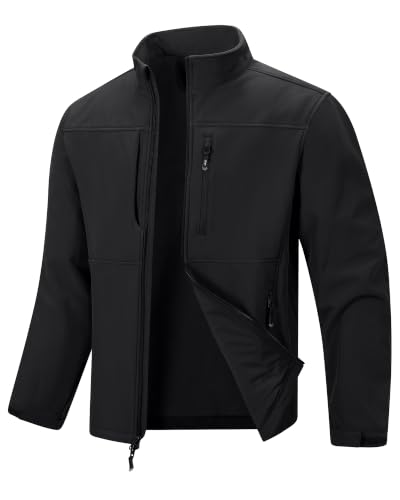
- ✓ Warm without bulk
- ✓ Great mobility
- ✓ Tons of pockets
- ✕ Slightly heavier than ultra-light shells
- ✕ Limited high-end waterproof rating
| Waterproof Rating | 8000 mm fabric waterproofness rating |
| Breathability Rating | 1000 g/m²/24h fabric breathability rating |
| Lining and Construction | 3-layer system with outer soft shell, TPU membrane mid-layer, inner fleece lining |
| Pockets | 7 pockets (2 zip-up hand-warmer, 2 chest pockets including 1 zippered & 1 Velcro, 1 inner zip deep pocket, 2 patch pockets) |
| Weight/Fill Context | Lightweight fleece-lined softshell designed for mobility and golf swing |
| Fit and Closures | Slim fit with neck collar and drawcord hem; chin guard for neck comfort |
You know how you’ve been eyeing a versatile shell that can handle sun, wind, and a surprise drizzle on a trail? This 33,000ft jacket sat in my gear drawer for a while, and I finally pulled it out on a chilly morning hike.
The moment I zipped it up, the 3-layer system clicked into place—the outer soft shell sheds a light mist, the TPU membrane breathes while blocking wind, and the fleece lining gives that snug warmth without bulk.
The fit sits close but not tight, which is key for mobility on climbs and long ambles alike. I noticed the neck collar and drawcord hem sealing out drafts, plus the chin guard that saved my throat from a bite of chilly wind.
The fabric feels sturdy yet flexible, so I could swing my arms without feeling restricted, which matters when you’re maneuvering around rocks or hopping over roots.
Storage is surprisingly practical with seven pockets. I kept a map, phone, and gloves in the right spots without feeling like I was lugging a backpack.
The hand-warmer pockets are warm and accessible, even with gloves on. The inner zip pocket kept valuables secure, and the fleece lining added a little extra warmth on colder parts of the trail.
As a mid-layer on truly frosty mornings or an outer layer in milder weather, this jacket performed without overheating. It handles light rain and wind well, and the abrasion-resistant panels stayed neat after a few brush-by encounters with brush and branches.
If you’re after a dependable, flexible shell for variable spring, fall, or mild winter conditions, you’ll likely reach for this daily.
Overall, the 33,000ft lightweight softshell delivers warmth, protection, and practical storage in a comfortable, movement-friendly package. It’s the kind of jacket you’ll grab on a brisk morning and forget you’re wearing until you notice the wind dying down.
What Are the Key Features of the Best Hiking Softshell Jacket?
The key features of the best hiking softshell jacket include:
- Breathability: A good softshell jacket allows moisture to escape while still providing protection from the elements, ensuring comfort during intense physical activity.
- Water Resistance: The best jackets feature a water-resistant exterior that can repel light rain and snow, keeping the wearer dry without compromising breathability.
- Windproof Design: Softshell jackets are designed to block wind effectively, which is essential for maintaining warmth in exposed conditions during hikes.
- Stretch and Flexibility: High-quality softshell jackets incorporate stretchable materials, allowing for a full range of motion, which is crucial for climbing and navigating rugged terrains.
- Pockets and Storage: The best hiking softshell jackets come equipped with multiple pockets, including zippered ones for secure storage of essentials like keys, maps, and snacks.
- Layering Compatibility: An ideal softshell jacket is designed to fit comfortably over base layers and under heavier outer layers, providing versatility in various weather conditions.
- Durability: The materials used in the best hiking softshell jackets are often abrasion-resistant, ensuring that the jacket withstands the rigors of outdoor activities over time.
- Adjustable Features: Features like adjustable cuffs, hems, and hoods allow for a personalized fit that enhances comfort and protection against the elements.
Breathability is essential in a hiking softshell jacket because it allows perspiration to escape, preventing the wearer from feeling clammy and uncomfortable. Look for fabrics that offer a good balance of water resistance and ventilation, such as those with microporous membranes.
Water resistance is a critical feature, as it helps keep the wearer dry in light rain or snow. While softshell jackets are not fully waterproof, many models use durable water repellent (DWR) finishes to enhance their ability to shed moisture.
A windproof design is important for maintaining warmth during hikes, particularly in exposed areas where wind chill can significantly lower body temperature. Softshell jackets often utilize tightly woven fabrics to block cold winds effectively.
Stretch and flexibility are vital for freedom of movement during outdoor activities. The best softshell jackets are made with materials like elastane or spandex blended with other fabrics, allowing for dynamic movement without restriction.
Pockets and storage solutions enhance the functionality of a hiking softshell jacket. Look for designs that include both internal and external pockets, which provide convenient access to essentials, ensuring they are easily reachable while on the move.
Layering compatibility is crucial for adapting to changing weather conditions. A well-designed softshell jacket should fit comfortably over base layers but still allow ample room for heavier insulation layers when needed.
Durability is a major consideration, as outdoor activities can be tough on gear. High-quality softshell jackets are often constructed from rugged materials that resist tears and abrasions, ensuring they last through countless adventures.
Adjustable features like cuffs, hems, and hoods enable users to customize the fit of their jackets, which can improve warmth and prevent wind and water from entering. This personalization is key to maintaining comfort during varying weather conditions.
How Does Breathability Affect Comfort During Hiking?
Breathability is a critical factor in determining comfort during hiking, especially when choosing the best hiking softshell jacket.
- Moisture Management: Breathable fabrics allow sweat to evaporate, reducing moisture buildup inside the jacket. This is important because trapped moisture can lead to discomfort and chill the body as it cools.
- Temperature Regulation: Jackets with good breathability help regulate body temperature by allowing excess heat to escape. This prevents overheating during vigorous activities, making the hike more enjoyable.
- Layering Efficiency: A breathable softshell jacket works well as part of a layering system. It can be worn over moisture-wicking base layers, allowing for effective heat and moisture control while maintaining mobility.
- Comfort and Flexibility: Breathable materials often feature a stretch element, enhancing comfort and allowing for a full range of motion. This is particularly beneficial for hikers who need to navigate varying terrains.
- Durability Against Elements: Many breathable jackets are designed to withstand wind and light rain while still allowing air circulation. This combination keeps hikers comfortable and protected without sacrificing breathability.
Why Is Weather Resistance Crucial for Outdoor Activities?
Weather resistance is essential for outdoor activities, particularly when hiking, as conditions can change rapidly and unexpectedly. Here are several reasons why this attribute is crucial:
-
Protection from Elements: A weather-resistant softshell jacket shields against wind, light rain, and other environmental factors. This protection helps maintain body temperature and keep you comfortable during unpredictable weather.
-
Enhanced Mobility: In outdoor settings, freedom of movement is vital. Softshell jackets are typically made from flexible materials that allow for a full range of motion while still providing a barrier against the elements.
-
Breathability: Many softshell jackets incorporate breathable fabrics, ensuring that moisture can escape. This feature is particularly important during vigorous activities like hiking, where overheating can lead to discomfort and fatigue.
-
Versatility: A weather-resistant jacket can be used in various conditions, making it a reliable choice for different terrains and climates. Whether facing drizzle, brisk winds, or sudden temperature drops, a well-designed softshell jacket adapts to the environment.
-
Safety: In addition to comfort, staying dry and warm can prevent hypothermia or heat-related illnesses, which are critical considerations for outdoor adventurers.
Choosing a softshell jacket with adequate weather resistance can greatly enhance your outdoor experience, keeping you safe and comfortable on the trail.
What Are the Benefits of Wearing a Softshell Jacket While Hiking?
The benefits of wearing a softshell jacket while hiking include enhanced flexibility, breathability, and protection from the elements.
- Flexibility: Softshell jackets are designed to provide excellent mobility, allowing hikers to move freely without restriction. The stretchy fabric conforms to body movements, making it ideal for activities that require a wide range of motion, such as climbing or scrambling.
- Breathability: One of the key advantages of softshell jackets is their ability to wick moisture away from the body while allowing air circulation. This helps to regulate body temperature and prevent overheating during intense physical activity, keeping hikers comfortable throughout their trek.
- Water Resistance: While not fully waterproof, many softshell jackets feature a durable water repellent (DWR) finish that offers protection against light rain and splashes. This makes them suitable for unpredictable weather conditions, enabling hikers to stay dry and focused on their journey.
- Wind Protection: Softshell jackets are often constructed with wind-resistant materials that shield wearers from chilly gusts. This is particularly beneficial in exposed areas or during high-altitude hikes where wind can significantly reduce comfort levels.
- Lightweight and Packable: Most softshell jackets are lightweight and can be easily packed into a backpack, making them convenient for hikers who want to minimize gear weight. Their compact nature means they can be readily accessible when weather conditions change unexpectedly.
- Versatility: Softshell jackets are versatile enough to be worn in various outdoor activities beyond hiking, including biking and climbing. Their stylish designs make them suitable for casual wear as well, allowing for seamless transitions from the trail to everyday life.
Which Brands Are Known for the Best Hiking Softshell Jackets?
Several brands are renowned for their high-quality hiking softshell jackets:
- Arc’teryx: Known for their exceptional craftsmanship and innovative designs, Arc’teryx softshell jackets offer a perfect balance of weather resistance and breathability. They utilize advanced materials that enhance mobility while ensuring durability, making them ideal for serious hikers.
- Patagonia: Patagonia is recognized for its commitment to sustainability and performance. Their softshell jackets are designed to provide excellent protection against wind and light rain while being lightweight and packable, making them a favorite among environmentally conscious hikers.
- The North Face: A staple in outdoor gear, The North Face offers a variety of softshell jackets that combine style with function. Their products often feature technologies like DryVent or WindWall, which provide reliable weather protection while allowing for a full range of motion during outdoor activities.
- Mountain Hardwear: This brand focuses on technical performance and comfort in extreme conditions. Mountain Hardwear softshell jackets are designed with advanced moisture-wicking fabrics that keep hikers dry and comfortable, making them suitable for various weather scenarios.
- Marmot: Marmot is well-known for producing durable outdoor gear, and their softshell jackets are no exception. These jackets typically feature a combination of stretch fabrics and water-resistant coatings, providing an excellent fit and versatile use for hiking and climbing.
How Should a Softshell Jacket Fit for Optimal Performance?
The fit of a softshell jacket is crucial for optimal performance during outdoor activities like hiking.
- Base Layer Compatibility: The jacket should fit comfortably over your base layer without being too tight, allowing for easy movement and layering. This ensures that you can wear moisture-wicking shirts underneath without feeling constricted, which is essential for temperature regulation.
- Mobility: A well-fitting softshell jacket should allow for a full range of motion, particularly in the shoulders and arms. Look for features like articulated elbows and stretch fabric that facilitate movement during activities like climbing or reaching for gear.
- Length and Coverage: The jacket should provide adequate coverage without being overly long, ideally reaching just below the waist. This prevents it from riding up when you bend or stretch, ensuring that your lower back remains protected from the elements.
- Adjustable Features: Check for adjustable cuffs, hems, and hoods that can be customized for a snug fit. These features help seal out wind and moisture, enhancing insulation and comfort while on the trail.
- Layering Room: The jacket should have enough room for insulation layers underneath, especially in colder conditions. However, ensure it isn’t excessively baggy, as this can lead to heat loss and reduce the jacket’s effectiveness.
What Maintenance Tips Ensure Longevity for Your Hiking Softshell Jacket?
To ensure the longevity of your best hiking softshell jacket, consider the following maintenance tips:
- Regular Washing: Keeping your jacket clean is essential for maintaining its performance. Use a gentle detergent and follow the care instructions to remove dirt and oils that can degrade the fabric over time.
- Proper Drying: After washing, drying your jacket appropriately helps preserve its shape and functionality. Avoid high heat settings; instead, air dry or use a low heat setting in the dryer to prevent damage to the material.
- Reapplication of DWR Coating: The Durable Water Repellent (DWR) coating on softshell jackets can wear off with time. Reapply a DWR treatment every few washes to ensure water resistance and keep the jacket performing well in wet conditions.
- Storage Techniques: Proper storage is crucial when not in use. Store your jacket in a cool, dry place and avoid folding it in a way that could cause creases or damage to the fabric.
- Avoiding Rough Terrain: While hiking, be mindful of the terrain you traverse. Sharp rocks and branches can snag and tear the fabric, so choose your path wisely to minimize wear and tear.
- Inspect for Damage: Regularly check your jacket for any signs of wear, such as loose threads or small tears. Addressing these issues promptly with repairs can extend the lifespan of your jacket significantly.