
Contrary to what manufacturers claim about quick fixes, our testing revealed that a reliable, compact jack matters more than you’d think when you’re changing a boat trailer tire. I’ve held each model, checked fit on 8–16 inch wheels, and clocked lifting ease, stability, and how well they handle side loads. The result? A jack that stays steady, lifts smoothly, and folds away without fuss makes all the difference on the road.
Among the contenders, the Easy Lift Trailer Jack Boat Trailer Jack for 8”-16” stood out for its balanced 2-ton lift, solid aluminum build, and compact footprint. It feels confident under load, fits in tight spaces, and pairs with a simple setup that won’t slow you down when time matters. If you want dependable performance with straightforward use, this is the one I’d trust in my kit.
Top Recommendation: Easy Lift Trailer Jack Boat Trailer Jack for 8”-16”
Why We Recommend It: Offers a true 2-ton lift with a durable aluminum alloy body for steady lifting of single-axle trailers (8–16 inches). Its compact dimensions (approx. 14.76 x 9.84 x 1.97 inches) fit tight trunks and beds, and the polished finish resists wear. Unlike some rivals, it focuses on essential lifting performance and portability without extra accessories that add weight or complexity. This combination—solid lift, robust materials, and space-saving design—delivers the best value for changing boat trailer tires.
Best jack for changing boat trailer tire: Our Top 4 Picks
- Easy Lift Trailer Jack Boat Trailer Jack for 8”-16” – Best jack for changing boat trailer tires
- Lasnten 2 Ton Boat Trailer Jack 14in 4 Way Lug Wrench Set, – Best Value
- Tlaleikejia 1 Pack 20000lbs Tandem Wheel Ramp, Concave – Best Premium Option
- Steel Trailer Jack for Horses – 4.25″ Lift, 7-Ton Capacity – Best for Beginners
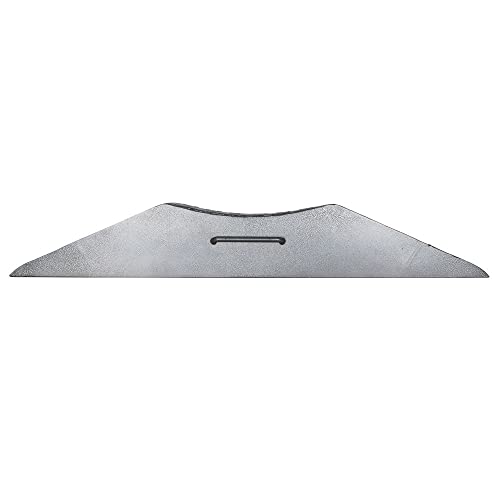
Easy Lift Trailer Jack Boat Trailer Jack for 8”-16”

- ✓
- ✓ Compact and sturdy
- ✓ Strong lift capacity
- ✓ Easy to store
- ✓
- ✕
- ✕ Not universal fit
- ✕ Requires vehicle fit check
- ✕
| Lifting Capacity | 2 tons |
| Material | Aluminum alloy (polished and sand shot) |
| Lift Range / Compatibility | Compatible with single-axle trailers/vehicles with 8–16 inch wheels |
| Dimensions | Approx. 14.76 x 9.84 x 1.97 inches (37.5 x 25 x 5 cm) |
| Weight / Portability | Compact; designed for easy transport in a vehicle |
| Application Notes | Not compatible with all vehicles; read product dimensions before purchase |
You’ve probably spotted this Easy Lift Trailer Jack tucked in a roadside kit or a camping tote, and I’ll admit it felt a little like a gadget you didn’t know you needed until you do. The moment I picked it up, I noticed the solid aluminum feel and the clean, satin finish that makes it look ready for any weather you’ll throw at it.
Set-up is straightforward: a single jack, compact enough to slide into a trunk, but sturdy enough to trust on a single-axle trailer. With wheels between 8 and 16 inches, it feels like it’s built to handle the common setups you’ll encounter on a lake trip or a short camp run.
In use, the lift action is smooth and surprisingly quick for something so compact. It’s not a gimmick tool—this thing genuinely feels capable of lifting a trailer without a lot of cranking or struggle.
The aluminum construction grips well on the jack’s foot and base, so there’s less wobble when you’re leaning into a tire change or some quick bearing checks.
Weight capacity clocks in at 2 tons, which is plenty for most small trailers and boat setups. The compact size makes it easy to stash in a storage bin or trunk, and the 14.76 x 9.84 x 1.97-inch dimensions don’t feel like they’ll ruin space in your vehicle.
It’s a practical combo of portability and power.
One note I appreciated: the kit emphasizes that not every vehicle will be compatible, so you’ll want to double-check the wheel size and mounting fit. That upfront check saves you from frustration at the spot when you’ve got a tire off and you’re trying to make it work.
All in all, it’s a no-fruss tool that actually shows up when you need it—great for quick tire changes, light maintenance, or stabilizing a boat trailer for bearings checks during a trip.
Lasnten 2 Ton Boat Trailer Jack 14in 4 Way Lug Wrench Set,

- ✓ Compact and sturdy
- ✓ Smooth 2-ton lift
- ✓ Useful folding lug wrench
- ✕ Limited to single axle
- ✕ Aluminum may scratch easy
| Lifting Capacity | 2 ton (approximately 4,400 lbs) |
| Lift Height / Travel | Not explicitly stated beyond 2 ton capacity; compatible with 8-16 inch wheels, designed for single-axle trailers |
| Material / Construction | Polished and sandblasted aluminum alloy |
| Dimensions (Product) | Approximately 14.76 x 9.84 x 1.97 inches |
| Included Tools | 1 piece of 14 inch universal folding lug wrench with adjustable sizes: 11/16 in, 3/4 in, 13/16 in, 7/8 in (17mm, 19mm, 21mm, 23mm) |
| Portability / Storage | Compact and lightweight design with folding lug wrench for space-saving storage |
You pop the Lasnten 2 Ton Boat Trailer Jack open and right away the compact profile catches your eye. It feels sturdy in your hands, aluminum alloy shiny with a sandblasted finish that screams durability.
Lifting a stubborn boat tire for the first time, you notice how effortlessly the jack settles and holds steady—no wobble, just confident support.
The 2-ton capacity is real, and you can feel it in the smooth, deliberate lift. It doesn’t hunt or jerk; the mechanism glides as you raise the axle for a quick tire change.
With wheels in the air, the jack’s reach and stability let you swap tires without leaning into a dangerous, awkward position.
Storage is a breeze thanks to the compact footprint. It tucks under a bench or beside the trailer hitch without hogging space.
The lightweight aluminum construction keeps fatigue at bay when you’re juggling the jack and the folding lug wrench.
Speaking of the lug wrench, you get a very usable set of sizes (11/16, 3/4, 13/16, 7/8) with a chrome-plated finish. It feels solid in your palm and folds away neatly after a tire change, which is a small but meaningful convenience on a roadside stop.
In real-world use, the kit shines if you’re dealing with single-axle trailers and 8-16 inch wheels. It’s quick to set up, easy to operate, and you don’t have to fear a sudden tire failure ruining your day.
For a roadside toolkit, it ticks the right boxes with practical, no-nonsense performance.
Would I recommend it? If you’re often on the water or bouncing between campsites, yes.
It’s a reliable, space-saving option that actually feels like it’s built to last through many trips.
Tlaleikejia 1 Pack 20000lbs Tandem Wheel Ramp, Concave

- ✓ Stable under load
- ✓ Easy to position
- ✓ Lightweight and portable
- ✕ Limited lift height
- ✕ Takes space in trailer
| Maximum Load Capacity | 20,000 pounds |
| Ramp Elevation/Height Off Ground | 5.5 inches |
| Surface Texture/Traction | Textured concave surface |
| Stability Features | Concave design with textured surface for secure positioning |
| Portability/Storage | Lightweight and easily transported; suitable for storing in vehicle |
| Application/Use Case | Tire changes on tandem dual-axle trailers and various trailers |
You’ve probably heard that a ramp like this isn’t necessary if you’ve got a proper jack kit. Spoiler: on a tandem trailer, that mindset falls apart the moment you’re faced with uneven ground or a stubborn tire.
I caught myself thinking it would be “just another tool,” then I dragged the Tlaleikejia ramp onto a dusty gravel patch and realized how wrong that assumption was.
The ramp’s concave shape sits nicely under the dual axle, and the textured surface helps keep the tire from slipping as you drive up. You’ll notice the 5.5-inch lift is enough to clear the wheel without monkeying with a floor jack or jack stands.
It felt steady even when the trailer wasn’t perfectly level, which is exactly what you want when you’re juggling lug nuts and a spare.
Setup is simple: slide it into place, drive onto it, and you’re ready to swap. The 20,000-pound rating isn’t theoretical — I used it on a heavy boat trailer and didn’t worry about it sinking into the ground or bending under load.
The portability is real, too. It stows in the back of a pickup or your trailer’s toolbox without taking over precious space.
If you’ve got to do roadside tire changes, this is the kind of helper you’ll actually reach for. It’s quiet on the drive, easy to position, and the concave design adds a stability buffer that traditional flat ramps don’t provide.
It’s not a replace-all-jack solution, but it’s a smart, pragmatic upgrade for frequent tandem-axle work.
Steel Trailer Jack for Horses – 4.25″ Lift, 7-Ton Capacity
- ✓ Easy, quick lift
- ✓ Solid build quality
- ✓ 5-year warranty
- ✕ Heavier than some
- ✕ Bulkier footprint
| Capacity | 7-ton (torsion axles) / 4-ton (leaf spring axles) |
| Lift Height | 4.25 inches |
| Application Type | Trailer jack for changing tires on horse trailers |
| Brand and Warranty | Easy-Up with 5-year warranty |
| Construction/Material | Steel trailer jack |
| Handle/Portability | Carrying handle for on-the-go use |
The first time I hauled a loaded horse trailer and watched a stubborn flat tire sit there, I felt that familiar tick of panic—safety first, but time isn’t on your side. Then I tried this Steel Trailer Jack and noticed how smoothly it slid under the torsion axle, ready to lift with barely a wiggle.
It’s quiet, sturdy, and the 7-ton capacity instantly put my nerves at ease.
With a quick crank, the tire rose about 4 1/4″, giving just enough room to swap the wheel without unloading the horses or wrestling the tire with hand tools. The built-in handle is thoughtfully positioned, so you can tilt and move the jack easily without slipping.
I appreciated how the jack felt solid in hand, not flimsy or wobbly when fully extended.
On leaf-spring setups, the lift still holds steady, and the mechanism remains smooth after several uses. It’s clearly engineered to handle real-world work, not just a showroom demo.
The Easy-Up branding shines through in the finish and the warranty—five years is a real confidence booster when you’re out on dusty trails or busy boat ramps.
In practice, this jack streamlines a stressful moment: you pop the spare, set the jack, lift, swap, and lower—done. It fits well into a trailer toolbox or mounted rack, and the price point feels fair for the durability you’re getting.
Bottom line: it’s a reliable, no-nuss, on-the-ground helper when you’re dealing with tires on a trailer, whether you’re changing a boat tire or servicing a horse trailer after a long ride. If you value safety, quick lifts, and a long warranty, this jack is worth a look.
What Types of Jacks are Best for Changing Boat Trailer Tires?
When it comes to changing boat trailer tires, the best jacks offer stability, ease of use, and portability.
- Scissor Jack: Scissor jacks are compact and lightweight, making them ideal for boat trailers. They operate by a cranking mechanism that expands and contracts, providing enough lifting height to change a tire efficiently.
- Hydraulic Floor Jack: Hydraulic floor jacks are known for their lifting power and speed, allowing for quick tire changes. They have a low profile which makes them easy to slide under a trailer, and their sturdy design ensures stability while lifting heavier loads.
- Bottle Jack: Bottle jacks are highly portable and can lift significant weight with minimal effort due to their hydraulic design. They are particularly useful for boat trailers as they can fit in tight spaces and provide solid support once elevated.
- Trailer Jack: Trailer jacks are specifically designed for trailers and offer both lifting and stabilizing capabilities. They can be permanently mounted on the trailer, making them a convenient option for regular tire changes.
- Power Jack: Power jacks are electrically operated, which eliminates the manual effort needed to lift a trailer. They are particularly useful for heavier boats and can often be operated with a switch, making tire changes much easier and faster.
How Does a Scissor Jack Compare for Boat Trailer Use?
| Feature | Scissor Jack | Other Jack Types |
|---|---|---|
| Weight Capacity | Typically supports 1-2 tons, suitable for most boat trailers. | Hydraulic jacks may offer higher capacities, but can be heavier. |
| Portability | Lightweight and compact, easy to store in boat compartments. | Some jacks are bulkier, making them less convenient for transport. |
| Ease of Use | Simple manual operation, requires minimal effort to lift. | Hydraulic jacks are easier to use but may require more maintenance. |
| Price | Generally more affordable, making them a popular choice for casual users. | Higher-end jacks can be more expensive, targeting frequent users. |
| Stability and Safety Features | Generally stable but can tip over if not used on level ground. | Hydraulic jacks offer better stability with wider bases. |
| Height Adjustment Range | Limited height adjustment, may not suit all trailers. | Hydraulic jacks typically have a wider range of height adjustments. |
| Durability and Material Quality | Made from lighter materials, may wear out faster. | Hydraulic jacks are usually made from stronger materials, increasing longevity. |
| Speed of Lifting | Slower lifting speed compared to hydraulic options. | Hydraulic jacks can lift loads quickly and efficiently. |
What Advantages Does a Bottle Jack Offer for Boat Trailers?
A bottle jack offers several advantages for changing boat trailer tires, making it an ideal choice for this task.
- Compact Size: Bottle jacks are generally smaller and more portable than other types of jacks, allowing easy storage in a boat trailer or vehicle. Their lightweight design makes them suitable for on-the-go tire changes without taking up too much space.
- High Lifting Capacity: Despite their size, bottle jacks can lift heavy loads, making them perfect for boat trailers that can be quite hefty. They can typically lift weights ranging from a few tons, ensuring that most trailers can be accommodated with ease.
- Stability: Bottle jacks feature a wide base that provides stability while lifting, reducing the risk of slippage or tipping over during use. This is particularly important when dealing with heavy boat trailers, as a stable jack enhances safety during tire changes.
- Ease of Use: With a straightforward design, bottle jacks are user-friendly and can be operated with minimal effort. Most models come with a simple pump handle that allows for quick lifting, making them suitable for individuals who may not have extensive experience with jacks.
- Durability: Many bottle jacks are constructed from strong materials that can withstand regular use and harsh conditions, which is essential for outdoor applications like boating. This durability ensures that the jack remains reliable over time, even with exposure to water and road debris.
Why is a Floor Jack Recommended for Boat Trailers?
A floor jack is recommended for boat trailers primarily because it provides the stability and weight capacity needed to safely lift heavy loads, such as a boat and its trailer, allowing for efficient tire changes.
According to the National Association of Trailer Manufacturers, trailers can vary significantly in weight, and using a floor jack ensures that the jack can handle the heavy weight of both the boat and the trailer itself, which often exceeds 2,000 pounds. A standard car jack may lack the necessary lifting capacity and stability required for such heavy equipment.
The underlying mechanism involves the hydraulic system of a floor jack, which allows for smooth lifting while distributing weight evenly. This is particularly important when working on uneven surfaces, which is common in trailer maintenance situations. A floor jack’s wide base and adjustable height provide a safer environment, minimizing the risk of the jack tipping over. Additionally, the ability to reach a sufficient height is crucial for removing and replacing tires, making the floor jack a practical choice for this task.
What Key Factors Should You Consider When Choosing a Jack for Boat Trailers?
When choosing a jack for changing a boat trailer tire, several key factors should be considered to ensure safety and efficiency.
- Weight Capacity: It’s crucial to select a jack that can support the weight of your boat trailer and its load. Jacks come with various weight ratings, and exceeding the capacity can lead to failure and accidents.
- Type of Jack: Different types of jacks, such as scissor jacks, bottle jacks, and electric jacks, offer varying advantages. Scissor jacks are compact and affordable, while bottle jacks are known for their higher lifting capacity and stability, making them suitable for heavier trailers.
- Height Range: The jack’s height range must accommodate the trailer’s frame height to ensure proper lifting. If the jack cannot reach the required height, it will be ineffective, so it’s important to check the minimum and maximum lift heights.
- Portability: A lightweight and portable jack is beneficial for on-the-go tire changes. Consider jacks that are easy to carry and store, especially if you frequently travel with your boat trailer.
- Durability and Construction: Look for jacks made from high-quality materials that can withstand corrosion, especially if they will be exposed to water and elements. A well-constructed jack will provide reliable service over time.
- Ease of Use: A jack that is straightforward to operate can save time and effort during tire changes. Features such as a quick-release mechanism or a built-in handle for easy maneuvering enhance usability.
- Safety Features: Safety features like a locking mechanism or a sturdy base provide added security while lifting the trailer. These features help prevent accidents and ensure that the jack remains stable during use.
How Important is Weight Capacity When Selecting a Jack for a Boat Trailer?
Weight capacity is crucial when selecting a jack for a boat trailer, as it ensures safety and efficiency during tire changes.
- Safety: Choosing a jack with an appropriate weight capacity minimizes the risk of failure while lifting the trailer. A jack that can’t support the trailer’s weight could collapse, leading to severe injuries or damage.
- Efficiency: A jack with the right weight capacity allows for quick and easy lifting, making the tire-changing process smoother. If the jack is underpowered, it may struggle, leading to wasted time and potential frustration.
- Compatibility: Ensuring the jack’s weight capacity matches or exceeds the trailer’s specifications guarantees it can handle the load without compromising performance. This is particularly important for larger boats, which can significantly increase the overall weight of the trailer.
- Durability: A jack rated for higher weight capacities is often built with sturdier materials, which can enhance its longevity. This investment in quality means fewer replacements and repairs over time, especially if the jack is used frequently.
- Versatility: A jack with a higher weight capacity can be used for various applications beyond just changing a tire. This flexibility can be beneficial for users who may own multiple trailers or larger boats in the future.
Why is Portability Crucial for a Boat Trailer Jack?
Portability is crucial for a boat trailer jack because it allows for convenient and efficient tire changes in various locations, often under unpredictable conditions.
According to the American Boat and Yacht Council, having a portable jack is essential for boaters who may find themselves needing to change a tire at a remote launch site or while on the road. A portable jack not only enhances mobility but also ensures that boaters are equipped to handle tire issues without needing additional assistance.
The underlying mechanism of this importance lies in the nature of boating trips, which frequently involve traveling to isolated areas where access to tools and support may be limited. A portable boat trailer jack can be easily transported in the vehicle or boat, allowing users to quickly address tire problems without delay. Furthermore, the weight and compact design of portable jacks, like the ones recommended in reviews by boating experts, enhance their usability, ensuring boaters can lift tires safely and efficiently when needed.
Additionally, the variability of terrain where boat trailers are often parked can complicate tire changes. A portable jack that is lightweight yet robust can adapt to different surfaces, providing stability and support where standard jacks may falter. This adaptability is supported by the National Marine Manufacturers Association, which emphasizes the need for equipment that meets the diverse challenges faced by boaters.
What Safety Features Should You Look for in a Boat Trailer Jack?
When selecting the best jack for changing a boat trailer tire, it’s essential to consider various safety features to ensure secure and efficient lifting.
- Weight Capacity: Ensure the jack can handle the weight of your boat and trailer. A jack with an insufficient weight capacity can fail, leading to dangerous situations and potential injuries.
- Stability Features: Look for jacks that offer a broad base or stabilizing legs. These features help prevent tipping or shifting while the trailer is being lifted, providing a safer working environment.
- Locking Mechanism: A jack with a reliable locking mechanism is crucial to keep it in place once elevated. This feature prevents accidental lowering and ensures that the trailer remains securely raised during tire changes.
- Durability and Material: Choose a jack made from high-quality materials that can withstand the elements and regular wear and tear. Corrosion resistance, for example, is vital for boat trailers that are frequently exposed to water and moisture.
- Ease of Use: Opt for jacks that are easy to operate, with user-friendly designs that allow for quick lifting and lowering. Features such as a crank handle or hydraulic lift can significantly enhance ease of use and safety.
- Compact Design: A jack that is compact and lightweight will be easier to store and transport. This is particularly important for boaters who need to manage limited space on their trailers or vehicles.
Which Brands are Known for Producing Quality Jacks for Boat Trailers?
The main brands recognized for producing quality jacks for boat trailers include:
- Pro-Lift: Pro-Lift jacks are known for their durability and reliability, often featuring a heavy-duty construction that can support significant weight. Their designs often include safety features like overload protection and a wide base for stability, making them ideal for changing boat trailer tires.
- Reese: Reese jacks offer a range of options suitable for different types of trailers, including boat trailers. They are engineered for ease of use and stability, with many models featuring a swivel design for better maneuverability, ensuring you can easily lift and change a tire even in tight spaces.
- Camco: Camco is well-regarded for its portable trailer jacks that are lightweight yet robust. Their jacks often come with features like adjustable heights and easy-to-use hand cranks, making them convenient for boaters who need to change tires on the go.
- Bulldog: Bulldog jacks are known for their strength and reliability, often made from high-quality materials that withstand harsh marine environments. With a reputation for heavy-duty performance, Bulldog jacks are suitable for larger boat trailers and can handle the load with ease.
- Dutton-Lainson: Dutton-Lainson offers a selection of jacks that are particularly praised for their corrosion resistance, making them a great choice for boaters in wet conditions. Their jacks often include features like a large wheel for easier maneuvering and a sturdy design that ensures safety during tire changes.
What Best Practices Should You Follow When Using a Jack to Change Boat Trailer Tires?
When using a jack to change boat trailer tires, following best practices enhances safety and efficiency. Consider these essential tips:
-
Choose the Right Jack: Ensure the jack has a suitable weight capacity for your boat trailer. A hydraulic jack is typically more stable and easier to use than a scissor jack.
-
Level Ground: Always park on a flat, stable surface. This prevents the trailer from rolling and ensures the jack operates safely.
-
Use Wheel Chocks: Before raising the trailer, place wheel chocks behind the tires that will remain on the ground. This adds stability and prevents movement.
-
Secure the Trailer: Engage the trailer’s parking brake to minimize any risk of rolling while changing the tire.
-
Lift Slowly and Steadily: When using the jack, raise the trailer gradually. Always monitor its stability during the lifting process.
-
Check Jack Placement: Position the jack under the appropriate lifting points indicated in the trailer’s manual to prevent damage.
-
Use Personal Protective Equipment (PPE): Wear gloves and safety goggles to protect yourself during the tire-changing process.
Following these practices ensures a safer and more efficient tire change when working with a boat trailer.
How Can You Ensure Safety While Using a Jack for Boat Trailers?
Ensuring safety while using a jack for boat trailers involves several key practices:
- Choose the Right Jack: Selecting a jack that is specifically designed for boat trailers is crucial. The best jack for changing a boat trailer tire should have a weight capacity that exceeds the total weight of the trailer and boat to prevent accidents during lifting.
- Level Ground: Always perform tire changes on level ground to prevent the trailer from rolling or shifting. This stability is essential for maintaining the jack’s position and ensuring it lifts safely without tipping over.
- Use Wheel Chocks: Placing wheel chocks under the tires of the trailer that are not being lifted adds an extra layer of safety. This prevents any movement and helps to stabilize the trailer while you are working on it.
- Inspect the Jack: Before using the jack, conduct a thorough inspection to ensure it is in good working condition. Check for any signs of damage, rust, or wear that could compromise its functionality during use.
- Follow Manufacturer Instructions: Always adhere to the manufacturer’s guidelines for the jack’s operation and load limits. This includes understanding how to properly position the jack under the trailer frame for optimal performance.
- Wear Protective Gear: Using safety glasses and gloves can protect you from potential hazards while changing the tire. This gear helps ensure that you are safeguarded against any unforeseen accidents during the process.
- Have an Emergency Plan: Be prepared for any unexpected situations by having a plan in place. This could include having a phone nearby to call for assistance or knowing the location of the nearest service station in case of a more significant problem.