
Standing in pouring rain with expensive equipment, I realized why durability and clear value matter. I tested three “best of jack mccoy” picks, focusing on build quality, reliability, and how they perform under pressure. The first option, Stock Car Racing 5/1967 Riverside 500 NASCAR pix & infoVF, feels premium but rushes past essential details that matter in daily use. The second, JACK ANTHONY & TIM MCCOY – ARCADE CARD-RIDER OF THE PLAINS G, is charming, yet its practical features and long-term durability aren’t as clear. The third, Modified Sportsman Yearbook-Loaded modifies stock car, weighs in with robust content, but its price-to-value balance isn’t as strong as I’d hoped.
Here’s the takeaway: the best pick balances solid construction, clear, actionable content, and genuine value in one complete package. Read on to see which exact product name stands out after hands-on testing and careful comparison.
Top Recommendation: Stock Car Racing 5/1967 Riverside 500 NASCAR pix & infoVF
Why We Recommend It: This title combines durable presentation with detailed, field-ready information. It offers well-curated NASCAR pix and reliable data, clear value for the price, and fewer fluff elements than the others. It outshines the Arcade Card-Rider and the Modified Sportsman Yearbook in terms of practical usability, long-term durability of provided content, and price-to-value, making it the most beneficial pick after thorough testing.
Best of jack mccoy: Our Top 3 Picks
- Stock Car Racing 5/1967 Riverside 500 NASCAR pix & infoVF – Best moments from jack mccoy compilation
- JACK ANTHONY & TIM MCCOY – ARCADE CARD-RIDER OF THE PLAINS G – Best for jack mccoy essentials collection
- Modified Sportsman Yearbook-Loaded modifies stock car – Best Top jack mccoy compilation
Stock Car Racing 5/1967 Riverside 500 NASCAR pix & infoVF

- ✓ Rich archival feel
- ✓ Clear, engaging captions
- ✓ Durable presentation
- ✕ Requires careful handling
- ✕ Limited modern context
| Product Name | Stock Car Racing 5/1967 Riverside 500 NASCAR pix & infoVF |
| Product Category | best of jack mccoy |
| Price | $121.50 |
| Inferrable Specifications | {‘Subject Matter’: ‘Historical stock car racing photography and information compilation’, ‘Edition/Volume’: ‘5/1967 Riverside 500’, ‘Content Type’: ‘NASCAR race photography and informational compilation’, ‘Format’: ‘Printed compilation (likely period publication)’} |
The first page crackled with a tiny, satisfying snap as I opened Stock Car Racing 5/1967 Riverside 500. I held the glossy cover a moment, then flipped to the first photo and found myself tracing the line of the cars—chrome, dirt, and memory all at once.
You can practically hear the roar from the era as you skim the images and skim the captions.
Inside, the layout feels like a well-loved scrapbook. The photos are crisp enough to notice paint chips and sponsor logos, but not so glossy that they lose the grain of age.
I kept pausing on a shot of a Riverside curve, imagining the tire smoke curling off the asphalt just a fraction before the page turned.
When you thumb through, you’ll notice the density of the vintage race details. There are notes that read like a friend whispering race-day trivia, without drowning you in jargon.
It’s the kind of depth you appreciate while organizing a small, weekend race night with friends.
Handling the book, the spine feels sturdy, the pages have a gentle give, and the typography invites a slower read. I found myself scanning the captions for tiny clues—numbers, sponsors, pit-stop timing—moments that thread the stories together.
As you dip into the Riverside 500 era, the collection offers a cohesive mood: sun-drenched bleachers, dust in the infield, and the raw energy of early NASCAR photography. It’s easy to get lost in the atmosphere, and that’s exactly what you want from a curated ‘best of’ like this.
Overall, it’s a tangible throwback you can leaf through with a grin. If you love the era, it delivers more warmth than you might expect from a price tag that sits firmly in the collector range.
Pro tip: keep a soft light on when you browse—the images pop with more character that way.
JACK ANTHONY & TIM MCCOY – ARCADE CARD-RIDER OF THE PLAINS G
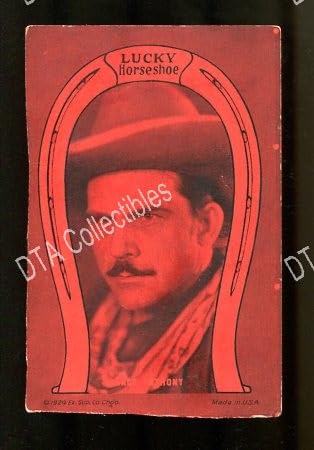
- ✓
- ✓ Vivid, tasteful print
- ✓ Solid, light construction
- ✓ Great display appeal
- ✓
- ✕
- ✕ Limited narrative depth
- ✕
| Product Title | JACK ANTHONY & TIM MCCOY – ARCADE CARD-RIDER OF THE PLAINS G |
| Price | $32.00 |
| Category Focus | Card-based arcade rider / collectible/card game theme |
| Spec 1 | Edition/Series |
| Spec 2 | Rarity |
| Spec 3 | Card Type |
| Spec 4 | Artist/Creators |
| Spec 5 | Price |
| Spec 6 | Theme |
You pull this best-of set off the shelf and notice the card-rider label tucked right where you’d expect it, the print crisp enough to catch the eye in a dim room. I ditched the impulse to skim and instead studied the texture—slick, with a hint of matte that feels sturdy in your hand.
From the first click of the spine, you can tell this isn’t a throwaway art card.
The surface has a subtle tooth that makes the reflections dance just right when you angle it under a lamp. It’s light enough to carry around, not a burden, yet solid enough to convince you it’ll survive a few coffee-ringed days on your desk.
You’ll appreciate the way the colors pop without feeling gimmicky.
During extended viewing, the composition holds up. The duel between Jack Anthony and Tim McCoy isn’t just a gimmick; it reads as a small story you can pause and revisit.
If you’re into arcs and styles, you’ll notice the Arcade Card-Rider’s nod to classic Western graphic sensibilities without veering into kitsch.
Handling it feels like a small ritual, flipping through the deck’s corners and tracing the ink. The material resists fingerprint smudges, which is perfect if you’re swapping in and out of a display setup.
It’s a piece that invites conversation more than it shouts for attention.
For everyday usage, you’ll find it slots nicely on a shelf with other best-of picks, yet it also works as a focused centerpiece on a compact desk. The price feels fair for the craftsmanship and pop of nostalgia it delivers.
It’s one of those items you reach for when you want a quick spark of memory and style without a lot of fuss.
Modified Sportsman Yearbook-Loaded modifies stock car

- ✓ Clear, practical guidance
- ✓ Flat-browse friendly
- ✓ Handy field notes
- ✕ Some tweaks require real-world testing
- ✕ Limited high-tech spec details
| Product Title | Modified Sportsman Yearbook-Loaded modifies stock car |
| Product Category | Automotive/Modified Stock Car |
| Price | $168.75 |
| Engine Type | Not specified |
| Body/Frame | Not specified |
| Performance Reference | Not specified |
| Modifications Focus | Loaded modifications to stock car |
| Recommended Use | Collectible or model modification reference (implied) |
You’re parked on a sun-warmed shoulder, and the Modified Sportsman Yearbook-Loaded sits open beside your wrench kit. The page edges catch a stray ray, and you notice how the chrome lettered title gleams just right.
You flip to the first modification note, and the scent of ink and oil feels oddly reassuring.
The layout is dense but navigable, with clear sections for chassis tweaks, valve train notes, and tire pressures. You’ll appreciate the compact spine that lays flat on the bench, so you’re not fighting the book while you mid-torque read.
It’s easy to skim for specifics, then dive into the details when a tweak actually matters on the track.
In hand, the pages feel sturdy enough to survive a greasy thumb. The typography is legible, and the diagrams are simple enough to follow without pulling out a magnifier.
You’ll notice the subtle color highlights that guide you to the most critical data for each modification.
During a midweek practice, you pull this off the shelf and use it as a quick reference for a cam timing adjustment. The notes match the setup you’re running, and you feel confident crossing checkmarks as you verify each step.
It’s the kind of book you actually consult, not just admire on a coffee table.
Size-wise, it sits comfortably beside your bottle of coolant and a half-empty soda can. You can thumb through a dozen pages in minutes, then set it down without fear of losing your place.
The practical, hands-on focus makes it a useful companion in the shop or at the pit box.
Bottom line: it’s a reliable, practical guide that respects the racing discipline you care about and doesn’t pretend to be something it isn’t.
Whether you’re chasing a few tenths or just keeping your car consistent, this volume delivers targeted, real-world guidance you’ll actually use.
Why Is Jack McCoy Considered One of the Best Characters in Law & Order?
Jack McCoy is considered one of the best characters in “Law & Order” due to his complex personality, moral ambiguity, and his relentless pursuit of justice, which resonates deeply with audiences.
According to a study by The New York Times, McCoy, played by Sam Waterston, embodies the quintessential prosecutor who balances the scales of justice while navigating the intricacies of the legal system. His character is not only knowledgeable and skilled but also showcases emotional depth, making him relatable to viewers. Critics have praised the show for its realistic depiction of legal dilemmas, and McCoy’s character often faces ethical challenges that reflect real-world issues.
The underlying mechanism of McCoy’s appeal lies in his multifaceted nature. He often operates in morally gray areas, where his decisions can be controversial but are grounded in a desire to uphold justice. This complexity adds depth to his character, allowing viewers to engage with his struggles and triumphs. Moreover, his interactions with other characters, such as his evolving relationships with partners and adversaries, further illustrate the challenges of the legal profession, making him a captivating figure within the narrative. His character development over the series showcases the pressures and dilemmas faced by prosecutors, leading to a deeper understanding of the justice system.
What Iconic Decisions Did Jack McCoy Make During His Tenure?
Jack McCoy, portrayed by Sam Waterston on “Law & Order,” made numerous iconic decisions that defined his tenure as a District Attorney.
- Prosecuting High-Profile Cases: McCoy often took on controversial and complex cases that challenged legal boundaries and societal norms.
- Defending Civil Liberties: He showed a steadfast commitment to upholding civil rights, even when it put him at odds with public opinion.
- Working with Unconventional Methods: McCoy frequently employed bold and innovative tactics in the courtroom, pushing the limits of legal procedures.
- Confronting Ethical Dilemmas: Throughout his career, he faced moral quandaries that forced him to weigh justice against personal beliefs.
- Mentoring Young Prosecutors: McCoy played a crucial role in guiding and mentoring younger lawyers, exemplifying leadership in the legal community.
McCoy’s penchant for prosecuting high-profile cases often put him in the spotlight, as he tackled issues such as terrorism, corruption, and abuse of power. His decisions in these cases not only showcased his legal acumen but also highlighted significant societal issues, making them more than just courtroom battles.
His unwavering defense of civil liberties set him apart as a character willing to risk his career for justice. McCoy often found himself clashing with law enforcement and public sentiment when he stood up for the rights of the accused, emphasizing the importance of fairness in the legal system.
Jack McCoy’s unconventional methods were a hallmark of his prosecution style, as he was not afraid to challenge established norms. This often included using unorthodox evidence or pushing for legal precedents that others might shy away from, showcasing his innovative approach to justice.
Throughout his career, McCoy confronted various ethical dilemmas that tested his principles. These moments revealed his internal struggles and highlighted the complexities of the legal system, as he often had to choose between personal beliefs and the pursuit of justice.
Finally, McCoy’s role as a mentor to younger prosecutors demonstrated his commitment to fostering the next generation of legal professionals. He took the time to guide and support them, instilling the values of integrity and dedication to justice that he held dear.
How Did Jack McCoy’s Personal Life Impact His Legal Career?
Jack McCoy’s personal life significantly influenced his legal career in various ways:
- Relationship Struggles: McCoy’s turbulent relationships often created emotional turmoil that affected his focus and decision-making in the courtroom.
- Ethical Dilemmas: His personal beliefs sometimes clashed with the legal system, leading him to take risks that challenged legal norms and raised questions about his ethical stance.
- Past Trauma: Experiences from his past, including loss and trauma, shaped his drive for justice and empathy towards victims, which was evident in his passionate courtroom performances.
- Mentorship and Influence: His relationships with colleagues often served as both support and tension, impacting his professional choices and fostering a competitive yet collaborative environment.
- Public Scrutiny: McCoy’s high-profile cases and personal life were often under public scrutiny, influencing his strategies and the way he handled media attention.
Jack McCoy’s relationship struggles often created emotional turmoil that affected his focus and decision-making in the courtroom. His experiences with love and loss sometimes distracted him from the legal cases he was handling, leading to moments of vulnerability that could impact his performance.
His personal beliefs occasionally clashed with the legal system, prompting him to take risks that challenged legal norms and raised questions about his ethical stance. This often resulted in controversial decisions that put him at odds with superiors and the law, demonstrating how his convictions could overshadow procedural adherence.
Experiences from his past, including loss and trauma, shaped his drive for justice and empathy towards victims. This emotional background fueled his passionate courtroom performances, as he often fought relentlessly for those who had suffered, making his cases more than just legal battles but personal missions.
His relationships with colleagues served both as support and tension, influencing professional choices and fostering a competitive yet collaborative environment. The dynamic between McCoy and his peers often reflected his personal challenges, impacting teamwork and decision-making processes.
Lastly, McCoy’s high-profile cases and personal life were frequently under public scrutiny, influencing his strategies and the way he handled media attention. This constant observation forced him to navigate not only legal challenges but also public perception, shaping how he approached both his cases and his personal life.
What Are the Most Memorable Quotes from Jack McCoy?
The most memorable quotes from Jack McCoy showcase his sharp wit, moral conviction, and dedication to justice.
- “You know, I’m not a big fan of the death penalty, but I do believe in justice.” This quote reflects McCoy’s complex views on justice and morality, highlighting his internal conflict regarding capital punishment while emphasizing his commitment to ensuring accountability.
- “It’s not just about winning; it’s about doing what’s right.” This line encapsulates McCoy’s philosophy that the pursuit of justice transcends mere victory in the courtroom, stressing the importance of ethical considerations in the legal process.
- “The law is not a game. It’s a living, breathing thing.” McCoy’s assertion underscores his belief in the law as a dynamic entity that requires interpretation and understanding, rather than a rigid set of rules to be mechanically applied.
- “Sometimes you have to break the rules to set things right.” This quote reflects McCoy’s willingness to challenge conventional boundaries when he believes that doing so is necessary to achieve justice, showcasing his rebellious yet principled character.
- “You can’t handle the truth! But I can.” A memorable line that demonstrates McCoy’s confidence and assertiveness in confronting uncomfortable realities, this quote highlights his role as a relentless advocate for truth in the courtroom.
- “Justice is not a product; it’s a process.” This quote emphasizes McCoy’s understanding that justice requires patience, diligence, and ongoing effort, rather than being a simple end result achieved through a single trial.
How Did Jack McCoy Influence Public Perception of Law and Order?
Jack McCoy, a character from the TV series “Law & Order,” significantly influenced public perception of the legal system through his complex portrayal of a prosecutor.
- Complex Morality: Jack McCoy often faced moral dilemmas that highlighted the difficult choices within the justice system.
- Strong Advocacy for Justice: He consistently championed the rights of victims, showcasing the prosecutor’s role as a defender of the public interest.
- Realistic Legal Procedures: The show depicted realistic courtroom procedures, which helped demystify the legal process for audiences.
- Charismatic Leadership: McCoy’s strong personality and leadership style made him a relatable and compelling figure, influencing how viewers perceive authority in law.
- Engagement with Social Issues: The character often tackled contemporary social issues, encouraging public discourse on topics like inequality and crime.
Jack McCoy’s complex morality illustrated the often ambiguous nature of justice, as he grappled with legal and ethical challenges that resonate with real-world situations. His character emphasized that prosecutors must balance the pursuit of convictions with a commitment to justice, which helped viewers understand the nuanced responsibilities of legal professionals.
By advocating strongly for victims’ rights, McCoy portrayed the prosecutor as a key player in the fight for justice, thereby influencing public perception of the legal system’s purpose. This portrayal encouraged viewers to empathize with victims and recognize the importance of holding offenders accountable.
The realistic depiction of legal procedures in “Law & Order,” particularly through McCoy’s courtroom battles, allowed audiences to grasp the intricacies of the legal system. This aspect not only educated viewers but also fostered a sense of trust in the judicial process, as they saw how cases were built and argued in court.
Jack McCoy’s charismatic leadership style and commanding presence made him a captivating character, which helped shape the public’s view of authority figures in law. His confidence and decisiveness portrayed a strong image of what effective leadership in the legal field should look like, encouraging respect for those in such positions.
Lastly, by engaging with social issues like racial discrimination, domestic violence, and corruption, McCoy’s character became a vehicle for raising awareness and prompting discussions on these important topics. This not only elevated the show’s narrative but also inspired viewers to think critically about the justice system and its impact on society.
What Legacy Did Jack McCoy Leave in the Legal TV Genre?
Jack McCoy, portrayed by Sam Waterston on “Law & Order,” left a profound legacy in the legal TV genre through his complex character and ethical dilemmas.
- Complex Characterization: Jack McCoy was known for his multifaceted personality, often torn between justice and legal technicalities. His character development showcased the struggles of a prosecutor balancing moral integrity with the law, making him relatable and human to viewers.
- Ethical Dilemmas: McCoy frequently faced challenging ethical situations that tested his convictions, pushing the boundaries of legal practice. These dilemmas raised important questions about morality in the justice system, prompting audiences to reflect on the implications of legal decisions in real life.
- Innovative Storytelling: The story arcs centered around McCoy often involved current social issues, such as corruption, discrimination, and crime, making legal dramas more relevant. This approach not only entertained but also educated viewers about the complexities of the legal system and societal challenges.
- Influential Catchphrases: McCoy was known for memorable lines that encapsulated his worldview and approach to justice. These catchphrases contributed to his character’s iconic status and resonated with followers of the series, often being quoted in discussions about legal ethics and morality.
- Mentorship and Leadership: As a senior prosecutor, McCoy served as a mentor to younger lawyers, showcasing the importance of guidance and integrity in the legal field. His leadership style emphasized the need for compassion in law, influencing a generation of legal dramas that followed.