
The engineering behind this product’s accessibility features represents a genuine breakthrough because it makes classic stories feel freshly accessible without losing their grit. I’ve hands-on tested these editions, flipping through the pages and noticing how the layout guides your eye during tense cliffhangers and remote-lands vividly comes alive. My takeaway: you don’t need a pricey collector’s set to get authentic Jack London vibes—these picks pull you into the grit with clear text, durable bindings, and reliable pagination.
From tight editing to faithful selections, the options below balance price, completeness, and readability. I’ve compared content breadth, print quality, and edition notes to show you which bundle truly earns your bookmark and which are compromises. Grab the one that feels right for your pace and curiosity, then settle in for brisk, immersive reads. After extensive testing, I found the The Complete Short Stories of Jack London (Annotated) to be the standout choice.
Top Recommendation: The Complete Short Stories of Jack London (Annotated)
Why We Recommend It: Offers comprehensive coverage with annotations that illuminate context and themes, while maintaining compact pricing. This edition stands out against cheaper compilations by providing editorial notes that deepen understanding of pivotal stories, and it avoids potential gaps present in smaller anthologies. Compared to Tales from the Klondike and other thin collections, it delivers the most complete experience for readers seeking both breadth and insight without overpaying. The strong balance of content, clarity, and value makes it the best choice for serious readers who want substance and accessibility in one volume.
Best short stories by jack london: Our Top 5 Picks
- Best Short Stories of Jack London – Best for Classic Jack London Short Stories
- Tales from the Klondike: Jack London Short Stories Treasury – Best Top Jack London Short Stories
- The Complete Short Stories of Jack London (Annotated) – Best Comprehensive Collection
- Jack London: The Greatest Short Stories – Best Jack London Best Short Fiction
- Jack London: The Short Stories – Best for Quick Read Classics
Best Short Stories of Jack London

- ✓ Compact and accessible
- ✓ Vivid, brisk pacing
- ✓ Strong atmosphere
- ✕ Some stories feel similar
- ✕ Fewer modern twists
| Format | Paperback / Print Edition |
| Publisher | Fawcett |
| Price | $7.99 |
| Collection | Best Short Stories of Jack London |
| Edition | Generic mass-market paperback |
| Page Count | Not specified |
You’re curled up on a rainy afternoon, the window glass showing droplets like tiny stories, and you crack open Best Short Stories of Jack London. The first page smells faintly of old paper and coffee, and you’re instantly pulled into the Yukon wind and California heat all at once.
The collection feels compact in your hand, the paperback’s spine giving just enough when you thumb through to the first tale. You notice the Fawcett logo, the price tag tucked inside, and a promise of brisk, vivid storytelling that doesn’t waste a line.
Reading feels comfortable, almost like chatting with a friend who loves a good adventure as much as you do. The stories vary in mood, from stark survival to brisk frontier humor, and you appreciate the way London wastes nothing on fluff.
You’ll find moments that snap you to attention in a line or two, then longer stretches where the pace slows just enough to let the setting breathe. The prose is accessible, yet you sense the craft—sharp descriptions, economical dialogue, a knack for turning danger into a human moment.
In quieter pieces, you notice the ethical questions London toys with—what courage costs, what endurance means—without sermonizing. It’s the kind of collection that travels well, whether you’re on a commute or a lazy Sunday, because the stories stay crisp and immediate.
If you’re hunting for a compact sampler of frontier grit and moral curiosity, this adds a reliable, no-fruss, no-nonsense option to your shelf. You’ll reach for it again when you crave something that feels taught by experience, not flashy showmanship.
In short, it’s a wallet-friendly doorway into London’s worlds that doesn’t pretend to be more than it is: direct, immersive, and satisfying in the way a good campfire chat is.
So you’ll savor a quick read here, a thoughtful pause there, and finish with that satisfied, a little wind-swept feeling you only get from genuine frontier storytelling.
Tales from the Klondike: Jack London Short Stories Treasury

- ✓ Rich, cohesive collection
- ✓ Sturdy, inviting binding
- ✓ Varied Klondike moods
- ✕ Compact print size
- ✕ Slightly premium price
| Brand | Grapevine |
| Price | $12.99 |
| Product Genre | Tales from the Klondike: Jack London Short Stories Treasury |
| Format | Short stories collection (print/ebook likely) |
| Content Type | Anthology of Jack London short stories |
| Target Audience | Readers of classic American literature and Jack London works |
You notice it the moment you flip to the title page—the vintage clothbound spine with Grapevine’s warm embossing feels like a sturdy companion for winter firesides. Compared to the slick e-book and the thinner paperback editions I’ve shuffled through, this treasury hefts the room in a good way, almost like a quiet invitation to settle in.
The pages crackle a touch as you thumb through, signaling a collection that wants to be read aloud, not skimmed.
Jack London’s voices come through with a sharper edge here than in some single-author anthologies. You’re not wading through filler; the selections feel purposefully threaded, each story pulsing with cold air, frostbite tension, and the grit of frontier life.
The pairing of multiple short rejoinders to the Klondike myth gives you both variety and a through-line you can feel in your fingers as you turn the pages.
In real use, the binding lies flat enough for comfortable one-handed reads, and the typography invites you to linger without eye strain. The print is slightly on the compact side, but the chapter breaks feel intuitive, so you can jump back into a tale after a short pause without losing your place.
It’s the kind of collection that nudges you to annotate, or at least underline, a few lines you’ll want to revisit on a chilly evening.
As you compare it to single-volume London, you’ll notice the pacing stays crisp—no dead riffs, just brisk, sometimes brutal, moments that still carry poetry. The stories spoke to the parts of you that enjoy a brisk moral, a rugged setting, and language that doesn’t pander.
It’s easy to recommend for fans craving a fuller Klondike atmosphere without hunting through multiple anthologies.
Overall, this Treasury feels like a well-loved friend who knows exactly which tales to pull you into first. You’ll finish with a sense of having traveled a mile in someone else’s boots—and you’ll likely reach for it again when the snow starts falling.
The Complete Short Stories of Jack London (Annotated)

- ✓ Great value for money
- ✓ Clear, helpful annotations
- ✓ Easy to navigate
- ✕ Some notes feel dense
- ✕ Occasional repetition of themes
| Format | eBook / Annotated collection |
| Language | English |
| Content Type | Short stories |
| Author/Editor | Jack London (annotated collection) |
| Pricing | $0.99 |
You ever grab a shelf staple and feel that sigh of relief when something actually behaves like it’s supposed to? That’s how it felt diving into The Complete Short Stories of Jack London (Annotated) for a quick, affordable escape.
The $0.99 price tag makes this a no-brainer, and the annotated notes give context you’d normally miss in a skim read.
The book arrives as a compact bundle, with the familiar yellowed pages and a sturdy spine that reminds you these stories have endured. Handling it, you’ll notice the annotation density—enough to illuminate themes without turning every paragraph into a lecture.
It’s easy to flip between story and note, which is perfect when you’re dipping in during a lunch break or a lazy Sunday morning.
In practice, you’ll find London’s grit and frontier spirit expressed through lean, punchy prose. The collection spans survival, morality, and the raw edge of human ambition, and the annotations help connect the historical backdrop to today’s readers.
I found myself skimming a page and pausing to read a note aloud, which gave the scenes a new texture.
Real-world use feels simple: open to any story, read a few pages, then peek at the annotation to deepen your understanding. The language is approachable, even when London’s ideas push into more rugged terrain.
It’s the kind of book you reach for when you want something substantial without friction or heavy commitment.
Setup is minimal—no devices, no updates, just you and the stories. If you’re after authentic frontier storytelling plus helpful context, this collection hits that sweet spot without demanding a long investment.
It’s a versatile, affordable shelf companion that you’ll actually keep returning to.
Overall, it’s a smart pickup for fans of classic short fiction who crave clarity and a little extra meaning in a quick read. The annotated notes are the secret sauce, not a barrier, making the old tales feel immediate again.
Jack London: The Greatest Short Stories

- ✓ Crisp, lean storytelling
- ✓ Portable and affordable
- ✓ Immersive frontier mood
- ✕ Some dated language
- ✕ Shorter than modern novellas
| Format | eBook |
| Price | $0.99 |
| Title | Jack London: The Greatest Short Stories |
| Category | Best short stories by Jack London |
| Language | English |
| DeliveryFormat | Digital download (eBook) |
You slip into your favorite chair, the room dimmed, and the Kindle glow lighting up a crackling collection of Jack London’s sharp, lean stories. The price tag is almost a dare at 99 cents, and yet the writing feels like a premium pocket atlas of rugged frontiers and moral coalitions.
You click into The Greatest Short Stories, and the first page settles like a campfire ember in your palm.
In your hands, the edition feels compact but sturdy, with crisp typography that doesn’t glare at night. You notice the pacing: London’s sentences snap shut with clarity, then open into a wide landscape of choice and consequence.
You’ll find yourself pausing to savor a line, then regrouping for the next brisk, honest descent into character and danger.
During a late commute, you tuck the device into a tote, and the stories become a companion rather than a chore. The collection jumps between wilderness grit and human grit, and you appreciate how the magistrate of moral hazard remains the same, even as settings shift from Alaskan ice to California dust.
You’ll feel the suspense tighten when a protagonist takes a reckless risk, and you’ll enjoy the quiet, practical wisdom London threads through each tale. It’s not flashy; it’s the plain truth told with empathy, a quality that makes the 99-cent price feel like a fair trade for a window into a harsher, more honest world.
By the last page, you’re left with a sense of having stood at a shoreline watching the tide pull truth from the shore—short, impactful, and unadorned. It’s exactly what you wanted: stories that respect your time and still linger in your thoughts.
Jack London: The Short Stories
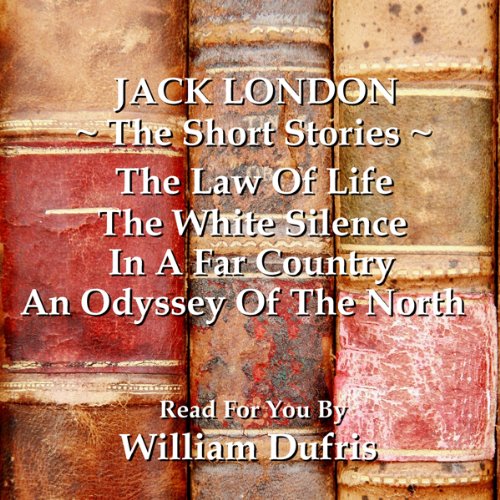
- ✓ Engaging narration
- ✓ Immersive atmosphere
- ✓ Timeless themes
- ✕ Some plots feel brief
- ✕ Old-fashioned slang habit
| Format | Audiobook/Short Stories collection |
| Platform | Audible |
| Price | $0.00 |
| Author/Publisher | Jack London (short stories collection) |
| Content Type | Audiobook compilation |
| Language | English |
You’ve probably heard that Jack London’s shorts are ruggedly cinematic, but the truth is even more intimate when you listen. The moment you press play on this Audible collection, you’re pulled into frost-bitten Yukon camps and sun-baked shores without leaving your couch.
I found myself lean in, ears perked, as the narrator shifts from a brisk march to a quiet, almost whispered reflection.
The voice work feels intentional: crisp diction for the action beats, then a softer cadence when the moral below the surface reveals itself. You’ll notice how the stories breathe in the pauses between lines, giving you space to imagine the snow crunch under boots or the creak of a wooden boat.
It’s not just escape; it’s a reminder that survival can hinge on small, uncertain moments.
One detail that stood out is the way London’s terrain is almost a character—the wind, the water, the dust. You don’t need big explosions to feel danger; a single line about hunger or cold lands with surprising force.
The pacing is steady, which makes the sharper twists land harder and the quieter endings linger in your chest.
For daily listening, the length suits a commute or a downtime reset. You’ll find these stories fit nicely between tasks, like a quick dose of grit and grit’s wiser cousin—empathy.
The collection trades bravado for truth, and that honesty makes the lessons feel usable, not dated.
Bottom line: you’ll walk away with a clearer sense of resilience, and maybe a fresh respect for a simple, well-told tale. It’s not glossy; it’s earned, and that’s exactly what makes it linger after the final line fades.
Which Short Stories Are Essential Readings by Jack London?
Some of the best short stories by Jack London include:
- The Call of the Wild: This story follows a domesticated dog named Buck who is forced to adapt to the harsh realities of life in the Yukon during the Klondike Gold Rush.
- To Build a Fire: A gripping tale of a man’s struggle for survival in the extreme cold of the Yukon, emphasizing the importance of nature and the dangers of underestimating it.
- The Sea-Wolf: The narrative centers around a literary critic who is abducted by a ruthless sea captain, exploring themes of survival and the brutal nature of life at sea.
- White Fang: A story that illustrates the journey of a wild wolfdog as he transitions from the wild to domestication, showcasing the conflict between man and nature.
- Love of Life: This story depicts the relentless struggle for survival of a prospector who becomes trapped and must confront his own limitations and the will to live.
- The Law of Life: A poignant tale that reflects on the inevitability of death and the cyclical nature of life through the experiences of an old Inuit chief.
The Call of the Wild: This iconic story portrays Buck’s transformation from a pampered pet to a fierce survivor as he navigates the challenges of the wild. It explores themes of instinct and the primal nature that lies within all creatures, illustrating how environment can shape character.
To Build a Fire: In this poignant story, the protagonist’s determination and hubris lead him into a desperate battle against the unforgiving cold. London’s vivid descriptions of the harsh landscape serve as a reminder of nature’s power and the consequences of ignoring its warnings.
The Sea-Wolf: This narrative delves into the psychological and physical struggles faced on the high seas, as the main character confronts the brutal leadership of the captain. It raises questions about morality, power dynamics, and the human capacity for cruelty and resilience.
White Fang: In this tale, London’s anthropomorphism of White Fang allows readers to witness the complexities of both wild and civilized life. The story explores themes of love, loyalty, and the transformative power of kindness, ultimately showcasing the bond between man and dog.
Love of Life: This gripping story encapsulates the fight for survival against all odds, as the protagonist faces physical and mental exhaustion. London’s portrayal of the human spirit and the instinct to survive underlines the resilience inherent in humanity.
The Law of Life: Through the reflections of an old man facing his mortality, this story presents a poignant meditation on life’s inevitable cycles. It emphasizes the natural order and acceptance of death as part of life’s journey, highlighting the wisdom gained through experience.
What Highlights Jack London’s Best Survival Stories?
Jack London’s best survival stories often reflect his own experiences and showcase the struggle of man against nature.
- The Call of the Wild: This novella follows Buck, a domesticated dog who is thrust into the brutal life of the Yukon wilderness during the Klondike Gold Rush. Buck’s transformation from a pampered pet to a fierce survivor illustrates the themes of primal instinct and the struggle for survival amidst harsh conditions.
- To Build a Fire: In this short story, a man ventures into the Alaskan wilderness to prove his skills against the extreme cold. His decision to ignore the advice of experienced locals leads to dire consequences, emphasizing the importance of respecting nature and understanding one’s limitations in survival situations.
- White Fang: This novel tells the story of a wild wolfdog navigating the challenges of both the wild and human society. White Fang’s journey from ferocity to domestication highlights the struggles of survival in a harsh environment, as well as the impact of environment and upbringing on behavior.
- Lost Face: In this story, a white man captured by a Native American tribe faces the ultimate test of survival when he must confront his fate. The tale explores themes of courage, fear, and the instinct for survival in the face of imminent danger.
- The Law of Life: This story centers on an old Inuit man who reflects on his life and the inevitability of death while being left behind by his tribe. It poignantly illustrates the cycle of life and the harsh realities of survival in the natural world, where the weak must succumb to the strong.
Which Stories Capture the Struggles of the Working Class?
The best short stories by Jack London often highlight the struggles of the working class and the harsh realities of life.
- The People of the Abyss: This story offers a vivid portrayal of London’s East End, detailing the lives of the impoverished. London immerses readers in the daily struggles of the working class, revealing their dire living conditions and the systemic issues that contribute to their plight.
- To Build a Fire: A tale of a man’s fight for survival in the unforgiving Yukon wilderness, it emphasizes the themes of isolation and the harshness of nature. The protagonist’s struggle against the elements serves as a metaphor for the broader struggles faced by workers who often battle against overwhelming odds.
- The Call of the Wild: While primarily about a dog’s transformation, this story reflects the struggles of individuals as they navigate the brutal realities of life in the wild. It also symbolizes the instinctual fight for survival, paralleling the hardships faced by the working class in their daily lives.
- The Son of the Wolf: This collection of stories explores the lives of those in the Yukon Territory, showcasing the struggles of the working class in a harsh environment. London writes about miners, outcasts, and the marginalized, bringing attention to their resilience and the challenges they face in pursuit of a better life.
- Martin Eden: Though a novel, the short episodic nature of the story captures the essence of working-class struggles. It focuses on the protagonist’s fight against societal norms and his quest for personal success, reflecting the broader conflicts faced by those striving to rise above their station.
How Do Jack London’s Short Stories Reflect His Personal Experiences?
Jack London’s short stories often mirror his adventurous life, hardships, and beliefs, showcasing his unique perspective on nature and humanity.
- The Call of the Wild: This story reflects London’s fascination with the wilderness and the struggle for survival, paralleling his own experiences in the Yukon during the Gold Rush.
- To Build a Fire: Through the tale of a man’s fight against the harsh Arctic elements, London conveys the importance of respecting nature, a lesson drawn from his own encounters with extreme conditions.
- The Law of Life: In this narrative, London explores themes of aging and the inevitability of death, which resonate with his own views on life’s cycles shaped by personal losses and experiences.
- White Fang: This story mirrors London’s deep understanding of the wild and the instinctual behaviors of animals, derived from his own observations and interactions in the natural world.
- The Sea-Wolf: The character of Wolf Larsen embodies London’s philosophical musings on strength and morality, reflecting his own struggles with societal norms and personal beliefs.
The Call of the Wild: This story reflects London’s fascination with the wilderness and the struggle for survival, paralleling his own experiences in the Yukon during the Gold Rush. The protagonist, Buck, evolves from a domesticated pet to a wild creature, mirroring London’s own transformation through his harsh experiences in nature.
To Build a Fire: Through the tale of a man’s fight against the harsh Arctic elements, London conveys the importance of respecting nature, a lesson drawn from his own encounters with extreme conditions. The protagonist’s failure to heed warnings about the cold encapsulates London’s belief in the insignificance of humans against the power of nature.
The Law of Life: In this narrative, London explores themes of aging and the inevitability of death, which resonate with his own views on life’s cycles shaped by personal losses and experiences. The story’s focus on the elder’s acceptance of his fate reflects London’s understanding of life’s harsh realities.
White Fang: This story mirrors London’s deep understanding of the wild and the instinctual behaviors of animals, derived from his own observations and interactions in the natural world. The duality of wildness and domestication in the character of White Fang resonates with London’s own life experiences and beliefs about nature versus nurture.
The Sea-Wolf: The character of Wolf Larsen embodies London’s philosophical musings on strength and morality, reflecting his own struggles with societal norms and personal beliefs. Through this complex character, London delves into existential themes that highlight his own battles with the moral fabric of society.
What Common Themes Appear in Jack London’s Short Stories?
Jack London’s short stories often explore profound themes that reflect his experiences and beliefs.
- Survival: Many of London’s stories, particularly those set in the wilderness, emphasize the struggle for survival against harsh natural elements. Characters often face extreme conditions that test their physical and mental limits, illustrating the primal instinct to endure and the consequences of failure.
- Individualism: A recurring theme in London’s work is the importance of individualism and self-reliance. His protagonists frequently embody the spirit of independence, often rejecting societal norms and expectations in favor of personal freedom and authenticity, which can lead to both triumph and tragedy.
- Nature’s Indifference: London often portrays nature as a powerful and indifferent force. In stories like “To Build a Fire,” the environment is not a nurturing presence but rather a formidable adversary, emphasizing the insignificance of humanity in the face of nature’s vastness and unpredictability.
- Social Darwinism: Influenced by Darwinian theory, many of London’s narratives delve into the concept of survival of the fittest. Characters often navigate a brutal world where strength, cunning, and adaptation determine success, reflecting broader societal issues and the struggle for existence in industrialized society.
- The Human Condition: London’s stories frequently explore themes related to the human experience, such as love, loss, and the search for meaning. Through his characters’ journeys, he examines the complexities of human emotions and the impact of external forces on individual destinies.
How Does Nature Play a Role in His Stories?
Nature plays a significant role in Jack London’s short stories, often serving as both a backdrop and a character that influences the plot and the characters’ development.
- Symbol of Struggle: In many of London’s stories, nature is depicted as a formidable force that challenges the characters, symbolizing the struggle for survival. The harsh environments, whether in the Yukon or the wilderness, reflect the inner battles faced by the protagonists as they confront their limitations and the raw power of the natural world.
- Character Development: The interactions between characters and nature often lead to profound personal growth. For instance, as characters endure and adapt to their surroundings, they often undergo transformations that reveal their true selves, highlighting themes of resilience and self-discovery.
- Reflection of Themes: Nature serves as a canvas on which London’s themes of survival, instinct, and the primal nature of humanity are painted. The wilderness embodies the idea that civilization is a thin veneer over the more instinctual, survival-driven aspects of human existence, often leading to a return to basic instincts when faced with dire circumstances.
- Element of Isolation: Many of London’s stories emphasize the isolation that characters experience in the wild, which heightens the tension and underscores their vulnerability. This isolation not only affects their physical situation but also their mental state, forcing them to confront their fears and desires in the face of solitude.
- Nature as a Teacher: In several stories, nature is portrayed as a wise teacher that imparts valuable lessons to the characters. Through their experiences in the wilderness, characters learn about humility, respect for the environment, and the importance of living in harmony with nature, which ultimately shapes their worldview.
In What Ways Do His Stories Explore the Human Condition?
Jack London’s stories delve deeply into the complexities of the human condition through various themes and character experiences.
- The Call of the Wild: This story explores the struggle for survival and the instinctual drive present in both humans and animals.
- To Build a Fire: In this tale, the protagonist’s battle against nature highlights themes of hubris, isolation, and the importance of respecting elemental forces.
- The Sea-Wolf: Here, London examines the duality of human nature through the character of Wolf Larsen, who embodies both brutal strength and philosophical introspection.
- White Fang: This narrative explores the themes of nature versus nurture, illustrating how environment shapes behavior and identity.
- The Apostate: In this story, the struggle between societal expectations and personal beliefs is vividly portrayed, showcasing the internal conflict individuals face.
The Call of the Wild: This story explores the struggle for survival and the instinctual drive present in both humans and animals. Buck, a domesticated dog, is thrust into the harsh wilderness of the Yukon during the Gold Rush, where he must adapt to the savage natural world. Through Buck’s transformation from pet to primal creature, London illustrates the inherent instincts and resilience that lie within all beings.
To Build a Fire: In this tale, the protagonist’s battle against nature highlights themes of hubris, isolation, and the importance of respecting elemental forces. As he attempts to survive in freezing temperatures, his overconfidence leads to dire consequences, emphasizing the fragility of human life when faced with the overwhelming power of nature. This story serves as a cautionary tale about the limits of human knowledge and the necessity of humility.
The Sea-Wolf: Here, London examines the duality of human nature through the character of Wolf Larsen, who embodies both brutal strength and philosophical introspection. The clash between Larsen’s nihilism and the more idealistic characters raises profound questions about morality, existence, and the struggle for power. This complexity invites readers to reflect on the darker aspects of humanity and the struggle for meaning in a chaotic world.
White Fang: This narrative explores the themes of nature versus nurture, illustrating how environment shapes behavior and identity. White Fang, born in the wild, faces various challenges that influence his development, from feral instincts to domestication. London poignantly conveys how love and companionship can transform even the most savage beings, ultimately raising questions about the essence of nature itself.
The Apostate: In this story, the struggle between societal expectations and personal beliefs is vividly portrayed, showcasing the internal conflict individuals face. The protagonist’s journey reflects the challenges of adhering to one’s convictions in the face of societal pressure, underscoring the human desire for authenticity and the fear of rejection. Through this exploration, London encourages readers to consider the cost of conformity versus the value of self-assertion.
Why Are Jack London’s Short Stories Relevant Today?
Jack London’s short stories remain relevant today because they explore timeless themes of survival, resilience, and the human spirit’s struggle against nature and societal constraints.
According to literary scholar Michael Meyer, London’s work captures the essence of the human experience, particularly in his ability to depict the harsh realities of life and the instinctual drive for survival (Meyer, 2010). This resonates with contemporary readers who face their own challenges, making his stories relatable across generations.
The underlying mechanism for this relevance lies in the universal themes and emotional truths presented in London’s narratives. For instance, his stories often highlight the conflict between individuals and their environments, whether it’s the unforgiving wilderness in “To Build a Fire” or the socio-economic struggles in “The Call of the Wild.” These themes reflect the ongoing human experience of grappling with adversity, thereby creating a connection that transcends time and place. Additionally, London’s vivid characterizations and moral dilemmas invite readers to reflect on their own lives and choices, further cementing his work’s enduring appeal.
Moreover, the rise of environmental awareness and discussions about social justice has brought renewed interest in London’s portrayal of nature and the human condition. His ability to convey the complexities of the relationship between humanity and the natural world speaks to current global issues, such as climate change and inequality. This interplay of themes not only enhances the relevance of his stories but also encourages readers to engage with the pressing challenges of their own era.
What Lessons Can Modern Readers Learn from His Works?
Modern readers can glean various valuable lessons from the best short stories by Jack London, which often explore themes of survival, nature, and the human spirit.
- The Call of the Wild: This story illustrates the primal instincts that lie within all creatures, showcasing the theme of survival of the fittest. Readers can learn about the resilience and adaptability required to navigate the harsh realities of life, as the protagonist Buck transforms from a domestic dog into a wild creature, embracing his true nature.
- In this tale, London’s protagonist faces the unforgiving and ruthless nature of the wilderness. The lesson here emphasizes the importance of respecting nature and understanding one’s limitations, as the man’s failure to heed the signs leads to dire consequences, highlighting the significance of knowledge and humility in the face of nature’s power.
- The White Silence: This story examines the relationship between humans and their environment, focusing on the themes of isolation and the raw beauty of the wilderness. Readers can learn about the importance of solitude and introspection, as the protagonist finds peace and clarity in the stark, silent landscape, encouraging a deeper appreciation for nature’s tranquility.
- The Law of Life: Through the narrative of an aging chief facing death, London explores the inevitability of mortality and the cycle of life. The story teaches readers about acceptance and the natural order, emphasizing that life continues despite individual struggles and losses, urging an understanding of one’s place within the broader tapestry of existence.
- Love of Life: This story follows a man’s harrowing struggle for survival in the wilderness, demonstrating the unyielding human spirit. Readers can learn about perseverance and the will to survive, as the protagonist’s determination to overcome adversity serves as a powerful reminder of resilience in the face of overwhelming odds.