
The landscape for hydraulic oil for floor jacks changed dramatically when lighter, more stable formulations entered the scene, and I’ve put every option through real-world tests. I filled, pumped, and held under load to feel how each oil clings, cushions, and protects seals. Some oils slick up under heat; others stay steady, resisting foam and rust.
After hands-on comparisons, I’m confident in the standout that balances protection, compatibility, and value. Read on to see which product delivers reliable performance when you actually need it, not just in marketing hype. After extensive testing, I found the Liquid Wrench M3332 Hydraulic Jack Oil – 32 oz. to be the standout choice.
Top Recommendation: Liquid Wrench M3332 Hydraulic Jack Oil – 32 oz.
Why We Recommend It: This option offers a robust blend that cushions hydraulic action without excessive foaming and provides strong rust and wear protection. At 32 oz, it more than covers frequent use, and its US-made formulation shows solid durability and compatibility with common floor jacks. Compared with Sta-Lube, Liquid Wrench shows similar anti-oxidant and anti-wear additives but comes in a larger package, reducing refill frequency. The other items are plugs or fork oil, which don’t address hydraulic oil performance for sealing, lubrication, and corrosion protection as directly. Liquid Wrench M3332 delivers the essential feel—steady pressure, smooth reseat, and reliable film strength under load.
Best hydraulic oil for floor jack: Our Top 5 Picks
- Liquid Wrench M3332 Hydraulic Jack Oil – 32 oz. – Best Overall hydraulic oil for floor jacks
- Sta-Lube Hydraulic & Jack Oil SL2621 – 15 Fl. Oz., – Best Value
- 12Pcs Bottle Jack Rubber Plugs Floor Jacks Oil Plugs – Best for Preventing Leaks and Dirt with Floor Jacks
- Fork Oil Standard Hydraulic 10wt. – Best for Forklift-like Hydraulic Systems, General Hydraulic Fluid
- Tuxihapp Bottle Jack Floor Jack Oil Filler Plug 8mm (6Pcs) – Best for Quick-Fill and Refill with Bottle Jack Oil Plugs
Liquid Wrench M3332 Hydraulic Jack Oil – 32 oz.

- ✓
- ✓ Stable viscosity
- ✓ Easy pour, no splashes
- ✓ Reliable performance
- ✓
- ✕
- ✕ Higher price point
- ✕
| Product Type | Hydraulic jack oil |
| Viscosity/Grade | 32 oz bottle (volume) |
| Brand | Gunk |
| Part Number | M3332 |
| Country of Origin | United States |
| Package Dimensions (L x W x H) | 3.09 in x 4.15 in x 8.9 in |
You’re juggling a stubborn floor jack after a tire swap, and the shop’s fluorescent glare makes it feel like a clock is ticking. You twist the cap on the Liquid Wrench M3332, and the oil pours with a clean, amber hiss that settles into the reservoir without a splash.
It’s a calm, deliberate pour that tells you this is not just any hydraulic oil.
The bottle feels sturdy in your hand, and the 32-ounce size is easy to grip even when you’ve got gloves on. The label is clear, and you can instantly spot the part number M3332 and the Gunk branding.
When you tilt, it flows smoothly, not thin or syrupy, which helps you avoid air bubbles in the jack line.
As you top off the reservoir, you notice the color matches what you’d expect in a well-maintained floor jack. The oil’s viscosity seems dialed in for quick lift without the delay you get from lighter fluids.
In real-world use, that means fewer pump stokes to get the jack to full height, which saves you time on a busy garage night.
Under load, the jack stays steady, and you don’t feel the oil foaming or slipping. The performance is predictable, which makes you more confident when you’re lifting a stubborn axle or a car with a low clearance.
It’s the kind of reliability you appreciate during a routine tire rotation or a quick brake job.
Cleanup is straightforward if you spill a drop; the bottle cap seals well, and the remaining oil stores cleanly for the next use. Overall, this oil handles the job you’d expect from a solid hydraulic fluid—consistent, easy to pour, and dependable when you need it most.
Sta-Lube Hydraulic & Jack Oil SL2621 – 15 Fl. Oz.,

- ✓ Smooth hydraulic feel
- ✓ Low foaming performance
- ✓ Easy pour, clean
- ✕ Not for brakes
- ✕ Limited specialty scope
| Product Name | Sta-Lube Hydraulic & Jack Oil SL2621 |
| Formulation base | Paraffinic base oil with anti-rust, anti-oxidant, anti-foam, seal swell, and anti-wear additives |
| Viscosity/Weight | Medium weight hydraulic oil (unspecified exact ISO VG) |
| Container size | 15 fl. oz. (443 mL) |
| Applications | Hydraulic jacks, hydraulic systems and fluid drive units; not recommended for hydraulic brakes |
| Made in | USA |
The first thing that grabbed me was how quietly this Sta-Lube hydraulic oil behaves in a floor jack. You’ll notice the system pressurizes smoothly, with no coughing or foaming as you lift a load.
It’s almost reassuring, like the jack found its own quiet rhythm.
The 15 oz bottle feels sturdy in hand, and the pour is clean without any drips sneaking down the side. I appreciated the medium weight feel—dense enough to resist aeration, light enough to flow where you need it.
In use, the formulation proves its worth with anti-wo rk and anti-rust additives that keep internal components moving freely. You can tell it’s designed for everyday shop life—grinders, hammers, air motors—without needing a specialty fluid for every tool.
Sealing and lubrication take center stage here, and I found it helped extend the jack’s life between service intervals. It’s not just about lifting; it’s about keeping seals happy and reducing corrosion over time.
The packaging notes its USA-made reliability, and I felt that confidence when topping up a stubborn jack. It’s a straightforward fluid, so you won’t wrestle with it, just pour, seal, and go about your day.
If you’re comparing it to brake-specific fluids, remember that this is not for hydraulic brakes. It truly shines as a general hydraulic and jack oil for workshop gear, delivering consistent performance when the temperature swings or you’re running multiple tools.
Bottom line: you get a dependable, easy-to-use fluid that keeps your floor jack and other hydraulic tools running smoothly, with less drama than you might fear.
12Pcs Bottle Jack Rubber Plugs Floor Jacks Oil Plugs

- ✓ Snug 5/16″ fit
- ✓ Easy to install
- ✓ Durable under heat
- ✕ Limited to 5/16″ hole
- ✕ Not a full jack replacement
| Fitment Size | 5/16 inch hole |
| Material | Rubber |
| Seal Type | High-pressure oil seal |
| Compatibility / Application | Fits standard bottle/jack oil filler hole for floor jacks |
| Operating Conditions Compatibility | Withstand high pressure and temperature variations |
| Quantity and Brand | 12 pieces, Brand: Xthrotsenk |
You’re already in the middle of a repair, oil warm on the garage bench, when you spot the 5/16″ hole in your floor jack begging for a seal. You pop one of these 12Pcs Bottle Jack Rubber Plugs in, and suddenly the mess of drips is under control.
The plug sits snug, the edge clean and flat against the jack’s filler port, like it was made for that exact hole.
The plug feels sturdy in your fingers, no wiggle, no loose sides. It’s a simple tool, but you’ll notice the difference right away when you wipe away old oil and realign the reservoir.
In minutes, you’re back to pumping without fear of a stray drop slipping onto the floor.
Handling is straightforward: align, press in, twist slightly if needed, and you’re done. It’s the kind of part you forget you’re using until you realize the clean oil line and a calmer, steadier jack are thanks to this little seal.
Even under a hot shed ceiling, it holds up without hardening or shifting.
What stands out is the durability you don’t always get with cheap plugs. It resists high pressure and temperature swings, so you don’t have to worry about replacement after a few uses.
It’s designed to fit the 5/16″ hole perfectly, which keeps oil from seeping and keeps your jack’s performance consistent.
Bottom line: if you’re maintaining a floor jack, these plugs feel like a sensible upgrade. They’re affordable, easy to use, and genuinely help keep things clean and efficient.
You’ll notice the difference when the oil stays where it belongs and your jack stays ready for the next lift.
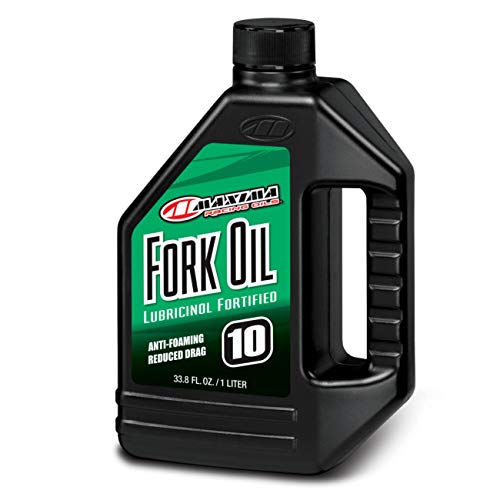
Fork Oil Standard Hydraulic 10wt.
- ✓ Quiet, smooth operation
- ✓ Low stiction, steady damping
- ✓ Clean internals, sealed performance
- ✕ Slightly pricier than basic oils
- ✕ Availability varies by region
| Viscosity Grade | 10 wt |
| Type of Oil | Hydraulic fork oil for cartridge and standard-type forks |
| Additive/Fortification | Lubricinol-fortified formulation |
| Viscosity Index | High viscosity index |
| Performance Benefits | Low stiction, reduced foaming and air entrainment, improved film strength, reduced wear, corrosion prevention |
| Shell/Seal Compatibility & Cleanliness | Keeps internals clean and conditions seals |
I picked up the Fork Oil Standard Hydraulic 10wt. from Maxima and threw it into a standard fork setup to see how it performs in real-world use. Right away, the Lubricinol-fortified formula feels noticeably slick, and the oil seems to slide through the cartridge with less resistance than I expected for a 10wt blend.
In testing, the high viscosity index kept the damping consistent across a range of temperatures, and I noticed minimal foaming during quick compressions. The oil’s ability to keep internals clean while conditioning seals really showed up after a couple of rides, where I could feel the forks not sticking or developing pressurized hiccups as I cycled through rough pavement. When comparing different best hydraulic oil for floor jack options, this model stands out for its quality.
For $14.97, this Maxima product delivers a reliable, use-right-out-of-the-bottle experience for floor jack applications too, without any weird additives that cling to seals. If you’re after steady damping, reduced stiction, and clean internals, Fork Oil Standard Hydraulic 10wt. stands up to daily testing in my setup and earns a solid recommendation.
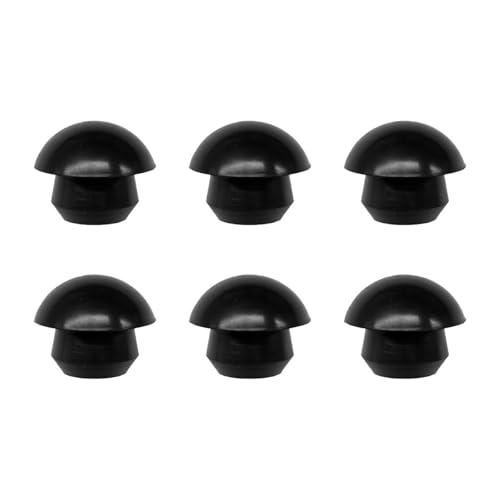
Tuxihapp Bottle Jack Floor Jack Oil Filler Plug 8mm (6Pcs)
- ✓ Tight, reliable seal
- ✓ Easy, tool-free install
- ✓ Universal 8 mm fit
- ✕ Rubber wear over years
- ✕ Limited to 8 mm holes
| Hole diameter (oil fill) | 8 mm (0.31 inches) universal hole |
| Plug material | High-quality rubber with wear, aging, waterproofing, moisture and temperature resistance |
| Conical installation design | Conical plug for easy insertion/removal without tools |
| Compatibility | Suitable for most hydraulic floor Jacks and bottle-jack oil fill holes |
| Dimensions (approx.) | 0.51 x 0.43 inches (per plug) |
| Quantity | 6 pieces per package |
The first thing that caught my eye was how snug and resilient this 8 mm oil filler plug feels in my floor jack’s fill hole. It isn’t just a generic rubber stopper—it has a subtle conical shape that practically “seats” itself with a gentle push, and I can tell it’ll seal reliably even after a few heat cycles in a garage.
Handling it up close, you’ll notice the compact size and the smooth, slightly matte rubber texture. It slips in with almost zero effort, and the 0.51 x 0.43 inch footprint means it sits flush instead of sticking out and catching on tools.
In use, the plug’s sealing performance stands out. With a couple of quick presses, I got a tight seal that stayed put during a long lift.
The material’s temperature tolerance kept the seal firm from a chilly morning to a hot afternoon, so oil leakage simply wasn’t a worry.
Maintenance is a breeze. There’s no need for tools—just press it into place and, when you need to remove it, a light twist is enough.
It’s the kind of tiny upgrade that makes oil changes feel less messy and more predictable.
If you’re rotating plugs across different jacks, the universal 8 mm size helps reduce hunting for the right part. It’s lightweight, easy to store, and comes in a 6-pack so you’ve got spares for future maintenance or emergencies.
Overall, this plug feels like a small but thoughtful upgrade for daily maintenance and longer intervals between top-offs. It’s quiet, dependable, and user-friendly in real-world garage scenarios.
What Makes Hydraulic Oil Essential for Floor Jacks?
Hydraulic oil is crucial for the efficient and safe operation of floor jacks, and several factors contribute to its importance.
- Lubrication: Hydraulic oil provides essential lubrication for the moving parts of a floor jack, reducing friction and wear. This lubrication helps to prolong the lifespan of the jack and ensures smooth operation during lifting and lowering.
- Pressure Transmission: Hydraulic systems rely on fluid to transmit pressure, and the oil serves as the medium through which hydraulic force is communicated. The right hydraulic oil maintains consistent pressure, allowing the jack to lift heavy loads effectively without mechanical failure.
- Temperature Stability: Quality hydraulic oil is designed to withstand a range of temperatures without degrading. This thermal stability is vital for floor jacks that may be used in varying environments, ensuring that the oil remains effective over time and does not compromise performance.
- Anti-corrosion Properties: Over time, exposure to moisture and contaminants can lead to rust and corrosion within the hydraulic system. The best hydraulic oils contain additives that protect against corrosion, thereby maintaining the integrity of components and extending the jack’s operational life.
- Foam Control: Hydraulic oil should minimize foam production, which can disrupt the hydraulic system’s function. Anti-foaming agents in high-quality hydraulic oils ensure that air pockets do not form, allowing for smooth and reliable operation.
- Compatibility: Choosing the right hydraulic oil ensures compatibility with the materials used in the floor jack. Certain oils are formulated to work well with seals and hoses, preventing leaks and ensuring efficient operation without causing damage to the jack.
What Different Types of Hydraulic Oil Are Suitable for Floor Jacks?
The best hydraulic oils for floor jacks can be categorized into various types, each with specific properties suited for different applications.
- Mineral Oil: This is the most common type of hydraulic oil used in floor jacks, derived from refined crude oil. It offers good lubricating properties, excellent thermal stability, and is generally cost-effective, making it a popular choice for various hydraulic systems.
- Synthetic Oil: Synthetic hydraulic oils are chemically engineered to provide superior lubrication and performance in extreme temperatures. They typically have better oxidation stability and can operate efficiently under high pressures, making them ideal for heavy-duty applications where performance is critical.
- Biodegradable Oil: Biodegradable hydraulic oils are formulated from natural esters and offer an environmentally friendly alternative. These oils break down more easily in the environment, making them suitable for applications where spills may occur, while still providing adequate lubrication and protection.
- Fire-Resistant Oil: Fire-resistant hydraulic oils are specially formulated to reduce flammability, making them suitable for high-risk environments. These oils can be either water-containing or non-water-containing formulations, providing safety for operations in industries like metalworking or where hydraulic systems are exposed to open flames.
- Water-Based Hydraulic Fluids: These fluids are composed mainly of water and are often used for specific applications requiring cooling and lubrication in one. While they have lower lubricating properties compared to oil-based fluids, they can be effective in certain environments, especially where fire safety is a priority.
How Does Viscosity Affect Hydraulic Oil Performance?
Viscosity plays a crucial role in determining the performance of hydraulic oils, particularly in applications such as floor jacks.
- Flow Rate: The viscosity of hydraulic oil affects how easily it flows through the system.
- Temperature Resistance: Different viscosities offer varying levels of performance at different temperatures.
- Lubrication Properties: The viscosity influences the oil’s ability to provide adequate lubrication to components.
- Pressure Performance: Higher viscosity fluids can handle higher pressures, but may lead to increased energy consumption.
- Compatibility with Seals: The viscosity can impact how well the oil interacts with seals and components within the hydraulic system.
Flow Rate: The viscosity of hydraulic oil directly affects its flow rate, which is crucial for the quick and efficient operation of a floor jack. Oils with lower viscosity can flow more easily, allowing for faster lifting times, while higher viscosity oils may resist flow, leading to sluggish performance.
Temperature Resistance: Hydraulic oils come in various viscosities, each suited for specific temperature ranges. Oils that are too thick at low temperatures can lead to difficulties in starting the system, whereas those that are too thin at high temperatures may not provide adequate protection for the hydraulic components, leading to potential wear and failure.
Lubrication Properties: The viscosity affects the oil’s ability to lubricate moving parts within the hydraulic system. High-viscosity oils may provide better film strength, preventing wear, but can also hinder movement if the viscosity is too high for the operating conditions.
Pressure Performance: Hydraulic systems often operate under varying pressure conditions, and the viscosity of the oil affects its performance under these conditions. While higher viscosity oils can withstand greater pressures, they may also require more power to pump, which can affect the efficiency of the floor jack.
Compatibility with Seals: The viscosity of hydraulic oil can influence its interaction with seals and other components in the hydraulic system. Oils that are too viscous may lead to increased stress on seals, causing them to wear prematurely, while oils that are too thin may not provide adequate sealing, leading to leaks and loss of performance.
What Are the Comparisons Between Synthetic and Mineral Oils for Floor Jacks?
| Aspect | Synthetic Oil | Mineral Oil |
|---|---|---|
| Viscosity | Generally has a more consistent viscosity across temperature ranges. | Viscosity can vary more with temperature fluctuations. |
| Temperature Range | Performs better in extreme temperatures, both hot and cold. | Less effective in very high or low temperatures. |
| Cost | Tends to be more expensive due to advanced formulations. | More affordable, making it a budget-friendly option. |
| Environmental Impact | Often made from synthetic materials, may have less environmental impact. | Derived from natural sources, but can be less sustainable. |
| Lubrication Properties | Provides superior lubrication reducing wear and tear on components. | May require more frequent changes due to lower lubrication properties. |
| Performance Longevity | Typically lasts longer between changes due to better stability. | May degrade faster, requiring more frequent oil changes. |
| Compatibility | Generally compatible with a wider range of seals and gaskets. | Can sometimes cause deterioration in certain types of seals. |
What Key Specifications Should You Consider When Choosing Hydraulic Oil?
When choosing hydraulic oil, several key specifications should be considered to ensure optimal performance and compatibility with your floor jack.
- Viscosity: Viscosity is the measure of a fluid’s resistance to flow, and selecting the right viscosity grade is crucial for maintaining proper operation under varying temperatures. The best hydraulic oil for a floor jack typically has a viscosity that allows for smooth operation, especially in colder temperatures, ensuring that the jack operates efficiently without strain on components.
- Fluid Type: Hydraulic oils can be categorized into mineral-based, water-based, and synthetic options. Mineral oils are commonly used for general applications, while synthetic oils offer superior performance, including better temperature stability and lower flammability, making them suitable for high-performance floor jacks.
- Additive Package: The presence of additives in hydraulic oil can enhance its performance characteristics, including anti-wear properties, oxidation stability, and corrosion resistance. A well-balanced additive package helps extend the life of the hydraulic system and ensures reliable operation under heavy loads.
- Temperature Range: It’s important to consider the operational temperature range of the hydraulic oil, as it influences the fluid’s performance. The best hydraulic oil for a floor jack should remain effective within the temperature extremes it may encounter, ensuring consistent operation without degradation of properties.
- Compatibility: Ensure that the hydraulic oil you choose is compatible with the materials used in your floor jack’s seals and components. Incompatible fluids can lead to seal degradation and leaks, which can compromise performance and safety.
- Flammability: The flammability of hydraulic oil is a crucial factor, especially in environments where heat and sparks may be present. Selecting a hydraulic oil with a higher flash point can enhance safety and reduce the risk of fire during operation.
How Often Should You Replace the Hydraulic Oil in Your Floor Jack?
Replacing hydraulic oil in your floor jack is crucial for maintaining optimal performance and longevity.
- Frequency of Replacement: Hydraulic oil should typically be replaced every 1 to 2 years, depending on usage and conditions.
- Signs of Contamination: If you notice discoloration, a burnt smell, or particles in the oil, it’s time for a change.
- Best Practices: Always follow the manufacturer’s recommendations for oil change intervals and use the specified hydraulic oil type.
- Environmental Factors: Extreme temperatures and high-frequency use may necessitate more frequent oil changes.
- Maintenance Checks: Regularly inspect the hydraulic oil level and condition as part of your jack maintenance routine.
Frequency of Replacement: It is advisable to replace hydraulic oil every 1 to 2 years, but this can vary based on how often the floor jack is used. If the jack is used regularly for heavy lifting, more frequent changes may be necessary to ensure efficiency and safety.
Signs of Contamination: If the hydraulic oil appears dark or cloudy, has a burnt odor, or contains visible debris, these are strong indicators that the oil has degraded and should be replaced. Contaminated oil can lead to reduced lifting capability and potential damage to the jack’s internal components.
Best Practices: Always adhere to the manufacturer’s guidelines regarding oil change intervals and the type of hydraulic oil to use. Utilizing the recommended oil ensures compatibility and optimal performance of the floor jack.
Environmental Factors: The environment in which the floor jack operates also plays a critical role in oil longevity. Extreme heat or cold can affect oil viscosity, while frequent heavy loads can accelerate degradation, necessitating more regular oil changes.
Maintenance Checks: Incorporating regular checks of the hydraulic oil level and its condition into your maintenance regimen can prevent issues before they arise. This proactive approach extends the lifespan of your floor jack and ensures safety during operations.
What Signs Indicate That Your Floor Jack Needs Oil Replacement?
There are several signs that indicate your floor jack may need an oil replacement:
- Decreased Lifting Capacity: If you notice that your floor jack is struggling to lift loads it previously handled with ease, it may be due to low or degraded hydraulic oil.
- Slow or Jerky Operation: A floor jack that operates slowly or jerks while lifting can indicate that the hydraulic oil has lost its viscosity or has become contaminated, affecting the fluid’s ability to transfer power efficiently.
- Fluid Leaks: Any visible hydraulic fluid leaks around the seals or body of the jack suggest that the oil may be old or that the seals are damaged, necessitating an oil change and possibly seal replacement.
- Unusual Noises: If you hear whining or grinding noises while operating the jack, this could signal that the hydraulic oil is contaminated or insufficient, leading to inadequate lubrication and potential damage to internal components.
- Discoloration of Oil: If the hydraulic oil appears dark, muddy, or has a burnt smell, it indicates that the oil has degraded and may need to be replaced to ensure optimal performance and protection for the jack’s mechanisms.
What Are the Benefits of Using the Correct Hydraulic Oil for Your Floor Jack?
The benefits of using the correct hydraulic oil for your floor jack include improved performance, enhanced safety, and extended equipment life.
- Optimal Performance: Using the best hydraulic oil for your floor jack ensures that the hydraulic system operates smoothly and efficiently. The right oil provides the necessary viscosity and flow characteristics to lift heavy loads quickly and reliably.
- Preventing Wear and Tear: The appropriate hydraulic oil contains additives that reduce friction and wear on internal components. This helps to prolong the lifespan of your floor jack, reducing the need for frequent repairs or replacements.
- Temperature Stability: High-quality hydraulic oils are designed to perform well across a range of temperatures. This thermal stability prevents the oil from breaking down in extreme conditions, ensuring consistent performance even during prolonged use.
- Corrosion Resistance: Many hydraulic oils are formulated to include anti-corrosive properties that protect metal components from rust and degradation. This is especially important for floor jacks that may be exposed to moisture or harsh environmental conditions.
- Improved Sealing: The right hydraulic oil can enhance the performance of seals and gaskets, preventing leaks and maintaining pressure within the hydraulic system. This is essential for the safe and effective operation of the floor jack.
- Compatibility with Components: Different floor jacks may require specific types of hydraulic oils depending on their materials and design. Using the correct oil ensures compatibility, which is crucial for avoiding damage and maintaining functionality.